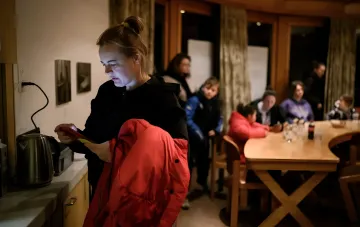
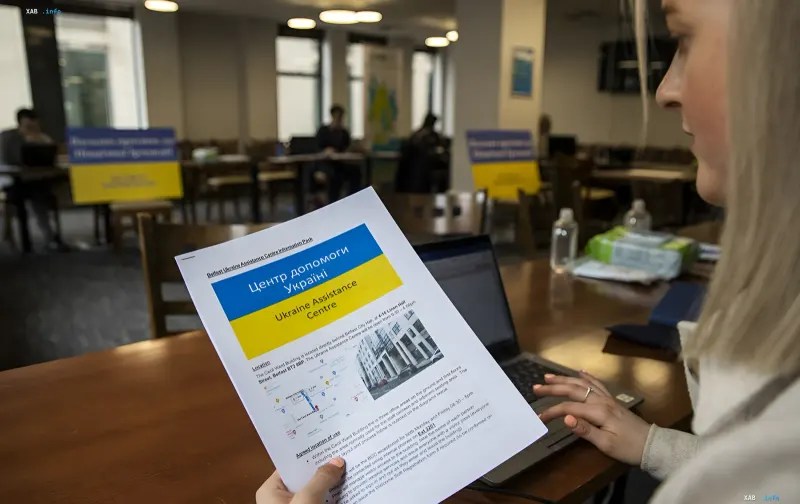
A serious social conflict is brewing in Ireland, affecting the fate of thousands of Ukrainian refugees. More than 100 public organizations have joined forces to warn the government about the critical situation faced by Ukrainians with disabilities. According to the coalition, planned changes to the social support system may force vulnerable people to make a tough choice: remain in state housing or retain the right to financial assistance.
Pressure on vulnerable citizens
A coalition of 121 organizations, including the Ukrainian Civil Society Forum, has described the current situation as "extremely destructive and re-traumatizing." The issue is that people with disabilities under temporary protection are effectively being offered to give up their Disability Allowance in exchange for extended access to state housing.
The situation is exacerbated by the fact that some social benefits intended to help may be reclassified by officials as proof of vulnerability, which, paradoxically, puts the right to further residence in the country at risk. In some cases, applicants have been informed that the very existence of state housing could become an obstacle to receiving the benefits they are entitled to.
Disruption of family ties and access to healthcare
One of the most acute problems highlighted by human rights defenders is the risk of forced relocation. People who continue to be provided with housing may be moved to other parts of Ireland. This will disrupt their access to specialized medical care, services for people with disabilities, and already established support networks.
Furthermore, there is a risk of family separation. If a person with a disability is allowed to remain in state housing, but their relatives who provide daily care are forced to leave, this will lead to a "significant disruption of informal care mechanisms." Families will be forced to choose between keeping a roof over their heads and the ability to care for their loved ones.
Context of European migration policy
Ireland is not the only country tightening conditions for refugees. Similar restrictions are being introduced in other European countries. For example, the UK previously required some refugees to repay the state for the costs of their maintenance when considering asylum applications. At the same time, accusations have been made against Ukrainian refugees in the Council of Europe, who were accused of trying to "squeeze" resources out of the EU.
Against the backdrop of these restrictions, a special platform called "Home" has been launched for those who still plan to return to their homeland. The service helps to draw up a step-by-step action plan for repatriation, starting from finding housing and ending with issues of children's education in Ukrainian schools.