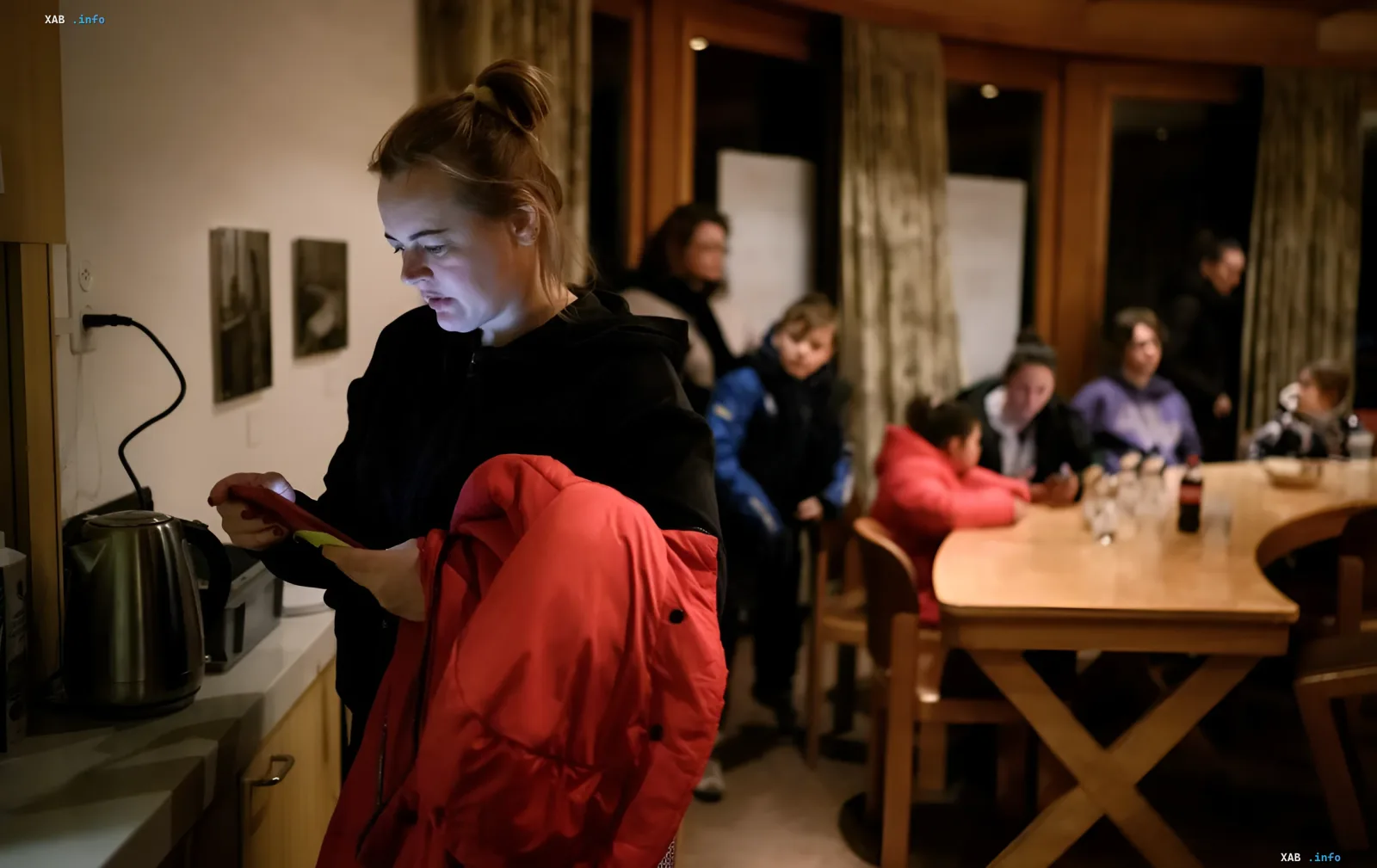
The government of the canton of Zurich, one of the most economically developed regions of Switzerland, has decided to amend the social assistance law. The new provisions concern Ukrainians who have received temporary protection (S status) and a residence permit in the country. The draft bill, aimed at changing the payment procedure, has been submitted for approval to the cantonal council and, according to government plans, is expected to come into force on March 1, 2027.
Paradigm shift: from federal norms to cantonal decisions
Zurich's decision is a direct consequence of changes in federal legislation. A month ago, the Swiss Federal Council transferred the authority to determine the amount and conditions of social assistance for persons with S status to the cantonal level. Until now, federal legislation required that persons with S status who hold a residence permit be provided with social assistance on par with Swiss citizens.
The authorities of the canton of Zurich have taken advantage of this opportunity to review their approach. The main idea of the prepared draft bill is to equate all persons with S status — regardless of whether they hold a residence permit — to the category of "temporarily admitted persons." This means that instead of standard social assistance, which is higher in amount, they will be assigned payments under special, stricter rules.
Incentive for integration and prevention of migration
The cantonal government explains its position by the need to maintain incentives for integration. In March 2027, the first Ukrainians who arrived in Switzerland in 2022 will mark the five-year mark of their stay in the country. It is this period that is key to obtaining the right to a full residence permit.
Without amending the law, these people would automatically move into the category of recipients of standard social assistance. The authorities of Zurich fear that this could provoke a mass relocation of Ukrainians specifically to this canton due to higher payments. According to current legislation, persons with S status have the right to change their canton of residence. Maintaining the current level of support is intended to prevent such migration and maintain balance in the social protection system.
Exceptions for integrated persons
Despite the tightening of rules, the law leaves room for exceptions. Persons with S status who can prove successful integration will be able to apply for a separate residence permit after five years of residence in the country. In such cases, they will be subject not to the legislation on temporary protection, but to ordinary migration law.
However, as experts note, the criteria for issuing such a permit at the federal level have not yet been finally determined, creating a certain uncertainty for migrants planning their future in Switzerland.
Contradictory data
The situation with Ukrainian refugees in Europe in August 2026 is characterized by divergent processes. On the one hand, Switzerland, traditionally known for its social stability, is beginning to restrict the rights of those who have already obtained a residence permit, returning them to the status of temporary protection with lower payments. On the other hand, even more radical measures are being observed in the European Union.
At the end of July 2026, the EU tightened the rules of temporary protection for Ukrainian men of conscription age who have not fulfilled their military service obligations. At the same time, a scandal is brewing in Ireland: hundreds of Ukrainians may be left without state housing and support, which has sparked protests from more than 100 public organizations. While Zurich tries to balance the budget and stimulate integration, other European countries are facing the risk of creating humanitarian crises due to the reduction of aid.