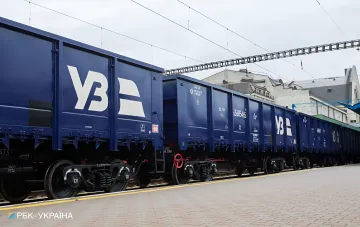
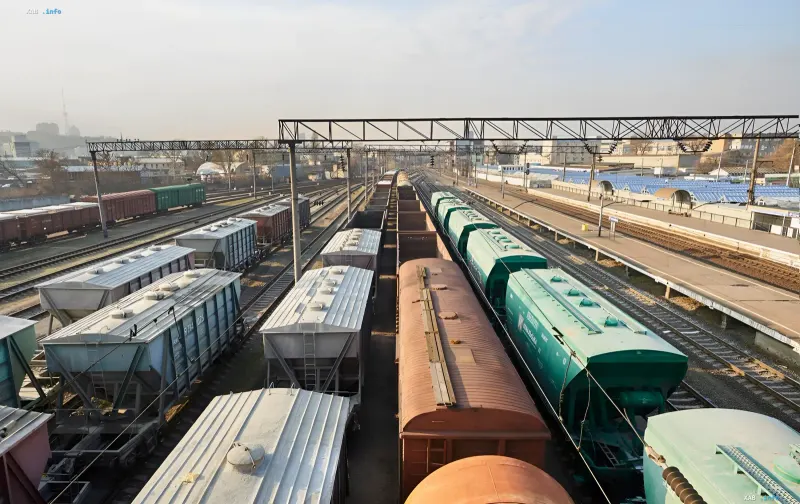
The Ukrainian metallurgical sector, already under immense pressure due to hostilities and logistical constraints, faces a new challenge. The association of enterprises "Ukrmetallurgprom" has appealed to Prime Minister Serhiy Kuretsky to cancel the decision to increase tariffs on freight rail transport by 30%.
According to media reports citing the industry's appeal, metallurgists believe that under current conditions, with seaports blocked and export routes complicated, a sharp rise in transportation costs could be fatal to the competitiveness of Ukrainian products.
Industry Economic Calculation
"Ukrmetallurgprom" emphasizes that rail transport is a critical link in the value chain. According to the association's estimates, producing one ton of metal products requires transporting about three tons of raw materials — iron ore, coal, coke, refractories, and fluxes.
The situation is exacerbated by the fact that in the second half of 2026, costs for rail transport of raw materials and finished products have already more than doubled. Using alternative routes through Danube ports and western border crossings increases logistics costs by 2-3 times compared to traditional routes via the Black Sea.
Industry representatives argue that additional costs will lead to production cuts, reduced foreign exchange earnings, and consequently, lower tax revenues to the budget, which will negatively affect national security.
Contradictory Data
The issue of increasing rail transport tariffs in Ukraine has sparked sharp disputes between the regulator and business. On one hand, the government and the Ministry of Restoration insist on the necessity of tariff indexation to cover the expenses of "Ukrzaliznytsia" and modernize infrastructure.
On the other hand, independent experts and industry representatives point to the catastrophic consequences of this step. According to a forecast by the State Enterprise "Ukrpromvnesheksperytyza", a tariff increase will lead to a loss of 96 billion UAH in GDP annually, reduce UZ's freight base by 27 million tons, result in a loss of $2.4 billion in export revenue, and 36 billion UAH in budget revenues.
Thus, a paradoxical situation arises: measures intended to improve the financial state of the railway monopoly could lead to a reduction in its own client base and a decrease in tax payments to the treasury.
Position of "Ukrzaliznytsia" and Business Demands
The "Ukrmetallurgprom" appeal notes that the state enterprise "Ukrzaliznytsia" has the means to solve its own financial problems without additional burden on industry. Industry representatives are calling on the government to return tariffs to the level effective as of January 1, 2026.
However, metallurgists do not propose freezing tariffs permanently. In their opinion, the question of tariff revision should only be considered after the full restoration of port infrastructure operations. In the event of the unblocking of seaports, a phased tariff increase within 8-14% during 2026-2027 is possible.
Security Factor and Port Blockades
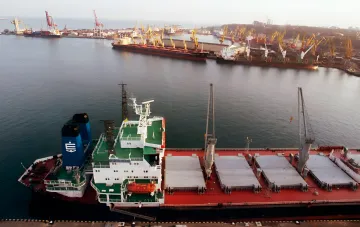
The key argument for canceling the tariff hike is the current situation with shipping safety. As reported earlier, targeted Russian attacks on the ports of Greater Odesa have effectively halted shipping. More than 60% of Ukrainian exports are at risk.
Particular concern is caused by the attack on July 19 on the bulk carrier Golden Leo under the flag of Guinea-Bissau, which resulted in the deaths of 9 foreign seamen and a Ukrainian pilot, and the sinking of the ship. Under these conditions, export via rail becomes the only, but extremely expensive, sales channel, and its cost increase could finally push Ukrainian steel out of world markets.