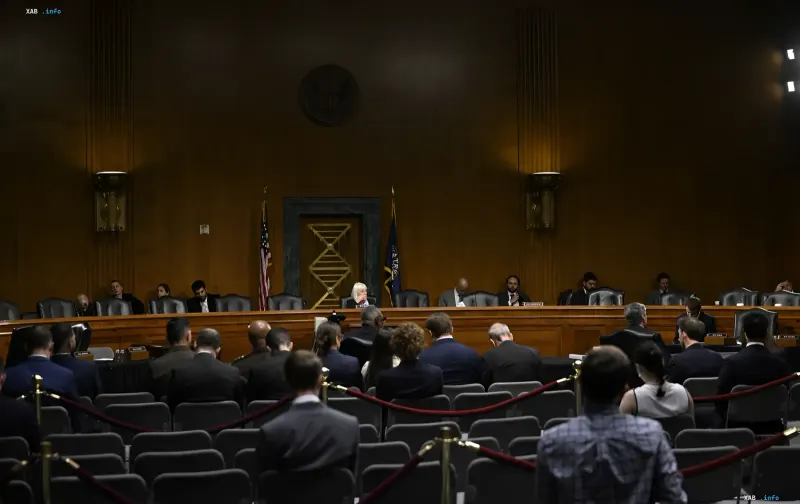
A major restructuring of the rules of the game is unfolding in Washington on the automotive market. The US Senate Committee on Commerce has approved a bill that effectively puts an end to the presence of Chinese automakers in America. However, as is often the case in complex geopolitics, the blow may be struck not only against direct competitors from the Middle Kingdom but also against European giants.
The 15% Rule and the Threat to Mercedes-Benz
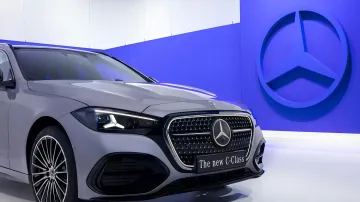
The essence of the new document is simple and ruthless: any company in which more than 15% of the shares are owned by China will be banned from operating on US territory. This figure has become a stumbling block for the German brand Mercedes-Benz. According to sources, Chinese investments in the structure of the German concern amount to about 20%. This exceeds the new safety threshold, which automatically puts the brand under attack.
Senator Ted Cruz has already openly warned of the danger threatening the German giant. However, Senator Bernie Moreno tried to calm the market, stating that Mercedes-Benz will have time until 2030. During this period, the company will be able to restructure its capital or attempt to obtain a special exemption from legislative requirements.
The Shadow War of Lobbyists: Cadillac vs. Mercedes
In the corridors of power in the US, it is openly stated that behind "national security" lies fierce economic competition. The American concern General Motors (GM) is actively supporting the introduction of these restrictions. The strategy is simple: push Mercedes-Benz out of the market to free up a niche for its premium brand, Cadillac.
However, senators promise that the complete destruction of the German brand will not occur. Nevertheless, the bill contains another controversial provision that could hit consumers' pockets. Automakers want to oblige companies to buy expensive batteries from GM. Experts estimate this measure at a $5,000 markup on each car. These costs will not fall on corporations, but on the shoulders of end buyers.
Blow to Electric Vehicles: Polestar and Volvo
The administration has already begun applying pressure on specific players. The electric vehicle manufacturer Polestar, which belongs to the Chinese holding Geely, has come under fire. Its sales in the US could be completely halted as early as the 2027 model year.
The Volvo Cars brand found itself in a more advantageous position. The company received preliminary permission to operate but is now obliged to confirm that its entire lineup of cars complies with the new strict rules.
Data Security as the Main Argument
Politicians justify their actions not only with economics but also with cybersecurity issues. US senators see a real threat in high technologies from China. Modern cars collect colossal volumes of data on user movement and behavior. Washington fears that Beijing could use this information to spy on Americans. This is why restrictions apply not only to "hardware" but also to software.
The law is already yielding results: American concerns have begun an active process of transferring production capacity from China back to the US, striving to secure their supply chains from new regulatory risks.