The Trump administration has made a strategic decision aimed at reshaping the US technological landscape. On Tuesday, July 28, authorities plan to officially announce a ban on the import of new Chinese robots and inverters. This move is positioned as a key step in protecting national security and fostering the development of domestic artificial intelligence.
Targeted Strikes on Imports
According to sources, the Federal Communications Commission (FCC) plans to implement corresponding measures on Tuesday afternoon (overnight into Wednesday, Kyiv time). The restrictions will be selective: they apply exclusively to robot and inverter models that have not yet entered free sale. However, the commission retains the right to revoke sales permits for devices that were previously approved for the US market.
Specific categories of equipment are under attack:
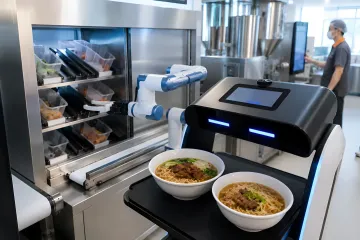
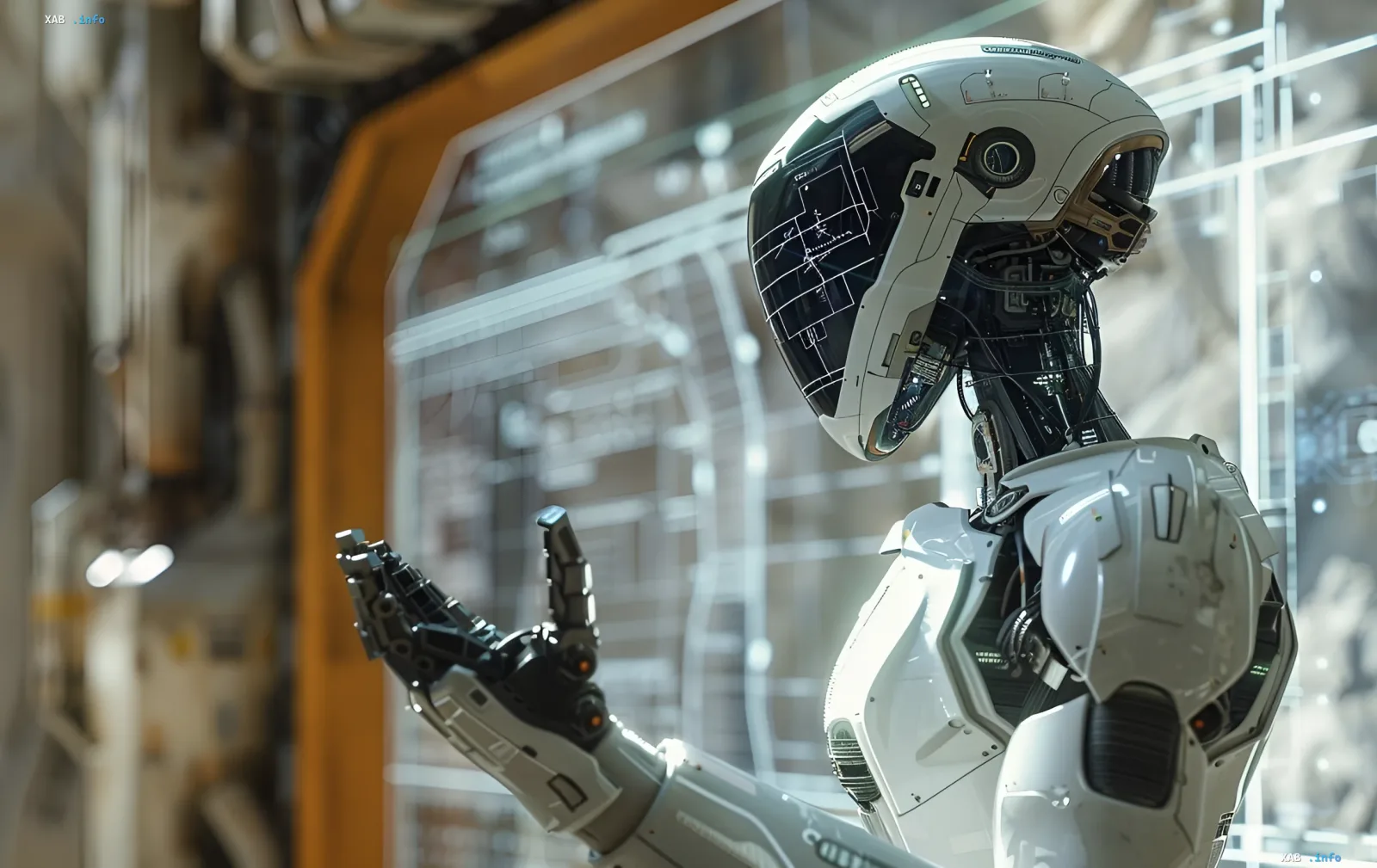
- Humanoid robots;
- Quadruped robotic devices;
- Grid-connected inverters that ensure the integration of renewable energy sources and batteries with power grids and data centers.
Protecting Supply Chains and Reindustrialization
As Reuters notes, the planned restrictions demonstrate the Trump administration's desire to secure AI supply chains from threats related to cyberattacks, data theft, and sabotage. A White House spokesperson emphasized that economic security is inextricably linked to national security.
"The President has made it clear that the US needs independent and reliable supply chains for critical and emerging technologies," the administration spokesperson stated. The goal is not only to block potential threats but also to stimulate companies to relocate production capacity to American territory as part of the reindustrialization program.
Exemptions for Allies and Risks of Dependence
An important aspect of the new policy will be the exemption of suppliers not linked to China from restrictions. The approach will be similar to that used in recent bans on foreign drones and routers. This will allow access to technologies from US partners while excluding products from Beijing.
Earlier, US Treasury Secretary Scott Bessent warned that Chinese companies engaged in AI development could face harsh sanctions for intellectual property theft. Officials fear a repeat of the scenario with rare earth metals, where China's dominance allowed Beijing to use control over resources as a tool of geopolitical pressure.
Analysts predict that AI-enabled humanoid robots will gain widespread adoption in both industrial and consumer sectors. At the same time, the rapid construction of data centers will depend directly on the availability of reliable and safe inverters, making this ban critically important for the country's technological future.