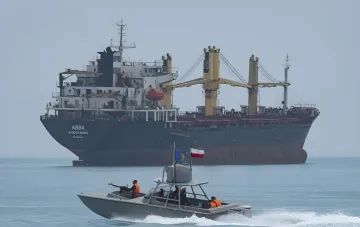
Washington and Tehran have moved closer to a pivotal point in diplomatic negotiations shaping the security architecture of the Persian Gulf. According to Al Arabiya, the US administration delivered an official proposal to Iran: full lifting of the naval blockade and removal of economic sanctions in exchange for reopening the Strait of Hormuz to international shipping and ceasing strikes by Iranian proxy forces in the region. The mediator was the Pakistani Army Chief of Staff, Field Marshal Asim Munir, who handed over a memorandum of understanding during an urgent visit to Tehran.
The Diplomatic Channel and the Content of the Proposal
The message was delivered during Munir's one-day visit, which was preceded by direct telephone talks with US President Donald Trump. Senior sources confirmed that the Pakistani chief of staff briefed the Iranian leadership on the draft of the American memorandum. The package deal envisages lifting the financial blockade by Washington in exchange for a guarantee of freedom of navigation in the strait and curbing the activity of the Yemeni Houthis, whose attacks, by estimates, have paralysed part of global logistics and put pressure on world fuel prices. The choice of Pakistan as a back channel is due to its long land border with Iran, its contacts with the IRGC, and its simultaneous status as a US military ally.
Macroeconomic Context and Sanctions Pressure
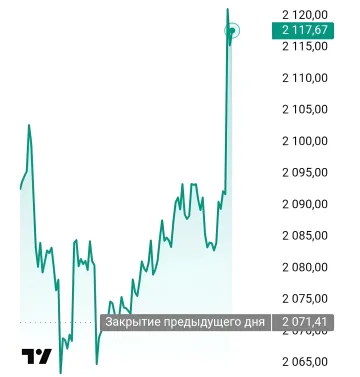
The proposal came against the backdrop of intensifying sanctions pressure: on the eve of the visit, the US Treasury announced the launch of an operation aimed at blocking Iran's shadow tanker fleet, with a threat of secondary sanctions for third-country importers. Meanwhile, according to Trump, the US Navy and Space Force completed the clearance of the international waters of the Strait of Hormuz of Iranian mines. The combined effect of these measures has reduced Tehran's negotiating leverage and created conditions for a move toward compromise, which has direct implications for Iran's oil exports and the global energy market.
Tehran's Position and Internal Consultations
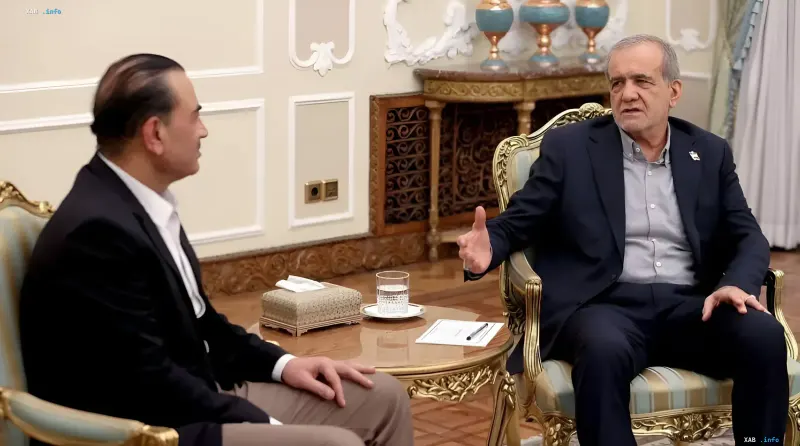
Official Tehran reacted with restraint. A representative of the Iranian president's office, Mehdi Tabatabai, called the Pakistani delegation's visit "extremely fruitful" and announced that the results would be announced soon. Secretary of the Supreme National Security Council, General Mohsen Rezaei, informed Munir that the Security Council is taking a pause for internal consultations and will formulate an official response. Domestically, the pragmatic wing, interested in economic recovery, is inclined toward compromise, while the conservative faction and the IRGC command may resist the demand to limit proxy forces.
Contradictory Data
Differences in interpreting the outcome of the negotiations have been recorded between sources. A number of publications (news.mail.ru, kp.ru) describe the result as an "agreement to extend the ceasefire," including a 60-day one, implying that a consensus has already been reached. At the same time, the original Al Arabiya version and statements from the Iranian side indicate that no final decision has been made: Tehran has only taken a pause for consultations. Moreover, the Iranian agency Tasnim shifted the emphasis, stating that Munir "did not bring American threats," and that the conditions were put forward by Tehran itself. Thus, the degree of agreement reached and the initiative of the parties remain a matter of differing interpretations.
Long-term Consequences for the Regional Architecture
If the memorandum is ratified, it will lay the foundation for de-escalation affecting freight costs, insurance rates, and oil pricing. For the US, this will allow reducing the burden on the military presence in the zone and reallocating resources; for Iran — restoring access to export channels. The key risk remains internal resistance in Tehran and the durability of guarantees on proxy forces, which will determine whether the deal becomes a sustainable framework or a temporary pause before a new round of escalation.