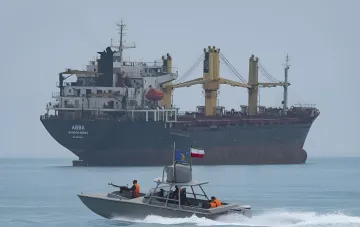
According to The Wall Street Journal, on November 1, US armed forces launched a strike on the Iranian island of Qeshm, located at the entrance to the Strait of Hormuz. The publication claims this is not an isolated incident, but rather part of a series of limited strikes that the US military has been secretly carrying out against targets in Iran for several weeks. Unlike previous stages of the conflict, which began on February 28, Washington has not publicly announced these operations this time, marking a noticeable shift in the campaign's nature.
Why Washington Keeps the Strikes in the Shadows
According to unnamed US administration officials, the campaign is intentionally kept in the shadows to avoid giving the impression that the US is preparing to resume full-scale hostilities. Some WSJ sources characterize these strikes as defensive: their stated purpose is to prevent Iran from attacking commercial vessels in the Strait of Hormuz with impunity. On November 1, social media reported a series of explosions on Qeshm, indirectly confirming the strikes, although no official attribution has been made by the Pentagon.
What Qeshm Island Is
The island is located directly at the entrance to the Strait of Hormuz, one of the world's key oil transit routes. According to reports, it houses a large underground missile facility, a naval base, and a major desalination plant. The US has attacked Qeshm previously, and the administration reportedly even discussed seizing it. This combination of military infrastructure and geographical location makes the island a sensitive point in any escalation scenario.
Trump’s Statements and Covert Escalation Preparations
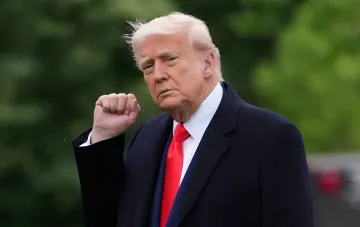
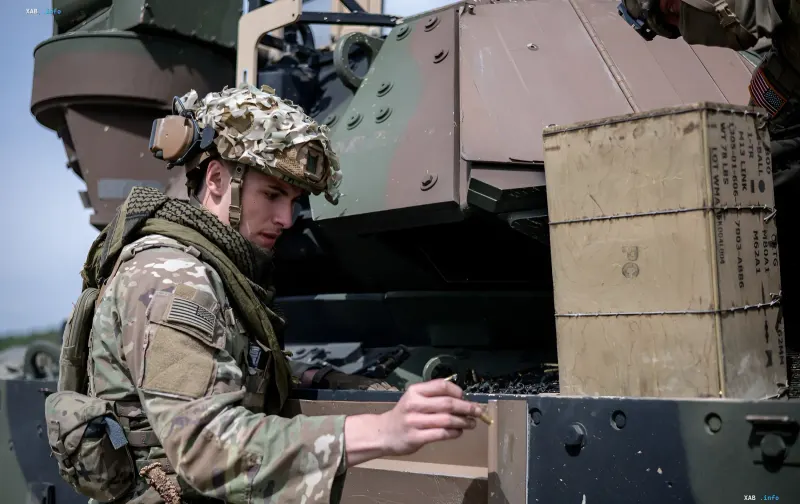
On the same day, November 1, US President Donald Trump publicly downplayed the risk of a new war with Iran, telling journalists that the US "had a war with Iran," that "we won," and that, in his words, "we haven't been fighting for several months." When asked about potential strikes after the midterm congressional elections scheduled for November 3, he answered "no." Meanwhile, according to WSJ, US Central Command (CENTCOM) has been laying the groundwork for a possible operation by deploying additional air defense assets and munitions to the region, and Gulf states have warned that a short but intense campaign could begin soon after the elections. Last week, CENTCOM Commander Admiral Brad Cooper personally briefed Trump in the White House on the progress of the conflict. The Atlantic, in turn, reports that Trump is considering resuming military operations to force Tehran back to the table, discussing scenarios ranging from a brief strike to a multi-week campaign.
Diplomatic Track and Iran's Readiness for Escalation
Parallel to military actions, the negotiation process continues: on November 1, Qatari mediators held another round of consultations on ending the US-Iran war, a new draft peace plan was handed over to the parties, and further meetings have not been ruled out. Vice President JD Vance announced "certain progress" in the consultations. In Iran, however, they are preparing for the worst-case scenario: according to sources, Supreme Leader Mojtaba Khamenei has ordered the military command to prepare for the return of the active phase of war with the US and Israel.
Confirmation of the Strike and Caveats
It is important to consider the confirmation status: at the time of publication, US Central Command (CENTCOM) had not publicly announced the strikes, while the Iranian news agency IRNA, citing local sources, reported at least five explosions on Qeshm and two aircraft spotted in the sky. Thus, the fact of the strikes is confirmed by both WSJ's American sources and Iranian reports of explosions, but there is still no official attribution from the Pentagon, leaving the fact characterized as "confirmed with caveats" caveats.