Corruption as the main barrier: "A mockery of the project"
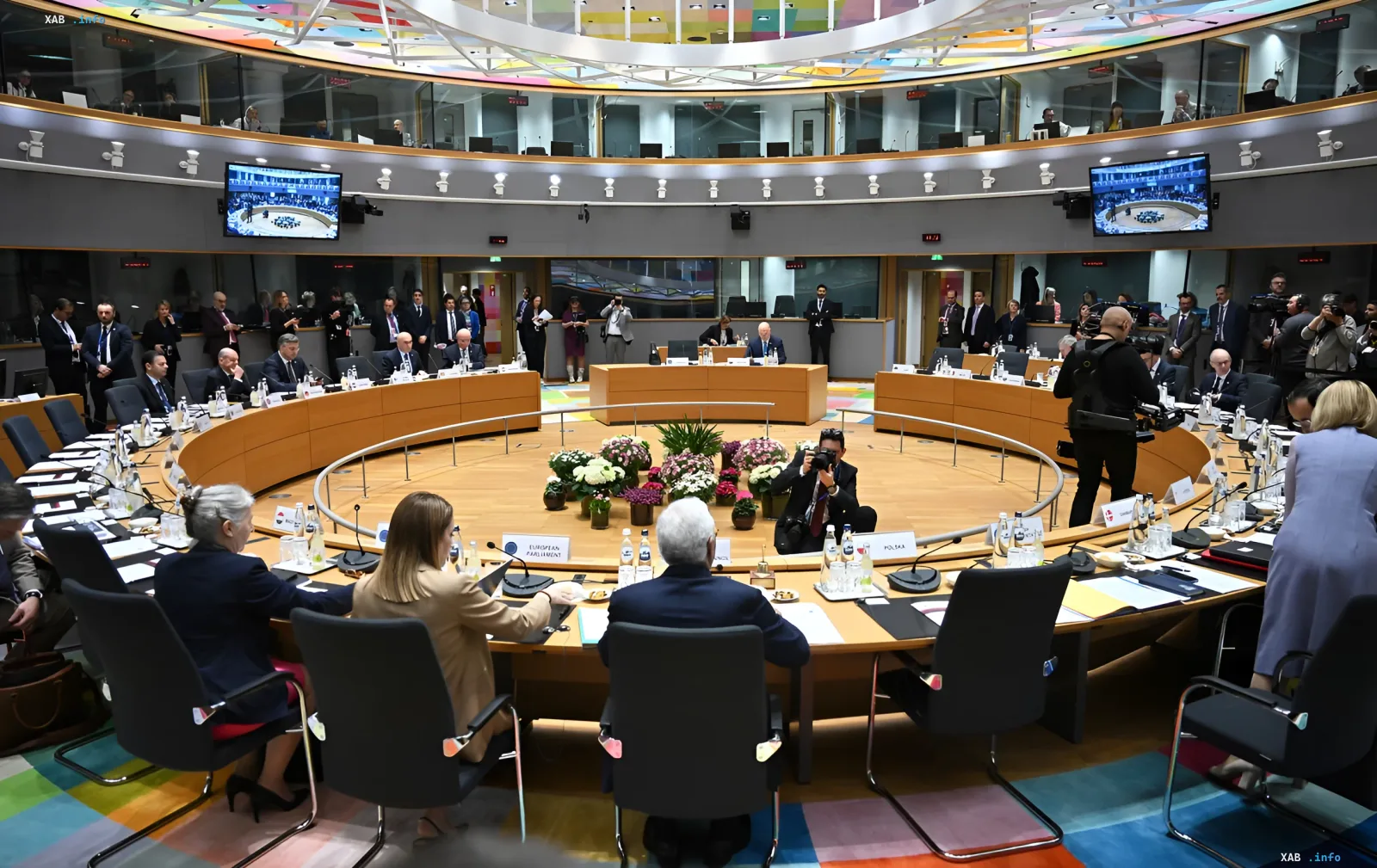
As of August 2026, despite ongoing geopolitical upheavals, the European Union maintains a strict position regarding the timeline for Ukraine's accession. High-ranking EU diplomats openly state that an accelerated membership procedure is impossible. The main obstacle preventing Brussels from taking a step towards Kyiv remains the critical level of corruption. As one diplomat notes, "one cannot admit a country with a population of 40 million, which ranks 104th in the global corruption index, into the EU. That would be a mockery of the entire project".
Within the bloc, it is acknowledged that Ukraine received candidate status solely due to the security factor and the full-scale Russian invasion in 2022. Without this catalyst, the process of obtaining status would have been impossible. However, the status itself does not guarantee automatic membership, especially given the scale of concerns regarding the independence of the judiciary and the rule of law, which remain extremely high.
Strategic shift: from economics to security
EU enlargement policy has undergone fundamental changes in recent years. If integration was previously viewed primarily through the lens of economic benefits and market harmonization, then after the start of the major war in Ukraine, it transformed into a matter of national security. Members of the bloc seek to see powerful and battle-hardened Ukrainian armed forces in their team, viewing Ukraine as a strategic buffer and defense partner.
Nevertheless, Brussels understands that leaving Kyiv to its own fate is not an option. The approximate accession target for 2027, voiced by the Ukrainian side, is perceived in Europe more as a "cry for help" and a political signal than as a realistic deadline for completing complex negotiations. Diplomats note that the internal challenges of the union itself and the need for deep reforms in Ukraine make such a schedule unattainable.
"Phased integration" model from France and Germany
In response to the deadlock, France and Germany proposed a new enlargement model known as "phased integration". This approach provides for gradual access for Ukraine to the single market and EU programs as reforms are implemented, rather than immediate granting of full membership. This solution aims to relieve tension between the need to support Kyiv and the EU institutions' unpreparedness for sudden expansion.
The enlargement process has effectively been frozen over the last decade since Croatia's accession in 2013. Currently, Brussels is trying to find a balance to avoid overloading the system. In the queue for accession, besides Ukraine and Moldova, are the Western Balkan countries. Notably, it is Montenegro that has made the most progress in meeting requirements and claims to complete technical negotiations in the near future, creating competition for the European Union's attention and resources.
Contradictory data: falling support and Zelensky's priorities
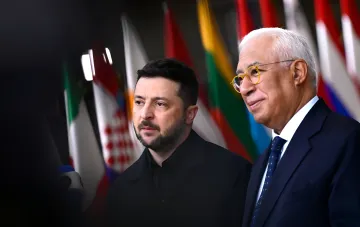
There is a significant gap between Kyiv's expectations and the mood within the EU. Ukrainian President Volodymyr Zelensky has identified three key areas for intensive work, including maintaining the country's resilience during the winter period. However, sociological data indicates that while about half of EU residents support Ukraine's accession, the situation is changing in key donor countries.
In Poland, Germany, and France, which were previously the most active supporters of Kyiv, there is a decline in support levels. In particular, in Poland, about half of the citizens are against Ukraine's accession to the EU. This creates a complex political conjuncture where diplomats are forced to balance between geopolitical necessity and electoral sentiments in member states. Diplomats note that benchmarks for rapid accession are met with a restrained position from Brussels precisely due to these internal challenges.