On Thursday, August 20, the state system for monitoring the state of the atmospheric air recorded a temporary deterioration of the environmental situation in two settlements in the Kyiv region — Vishneve and Brovary. According to monitoring data, the concentration of fine particulate matter (dust) in the air of these cities increased, pushing the indicators beyond the usual background level. Specialists link the pollution spike to the aftermath of the night shelling, which damaged residential buildings, warehouses, and critical infrastructure facilities in the region.
What the monitoring sensors showed
According to monitoring system data, it was specifically in Vishneve and Brovary that an increase in fine particulate matter was recorded, while in other settlements where atmospheric air quality is monitored, no exceedances of permissible levels of chemical and biological substances were detected. Thus, the deterioration is local in nature and limited to the territory of the two cities affected by the night attack. Experts emphasize that fine dust can cause respiratory discomfort, and in children, the elderly, and people with increased sensitivity of the respiratory tract — provoke irritation and exacerbation of chronic conditions.
Connection with the night attack
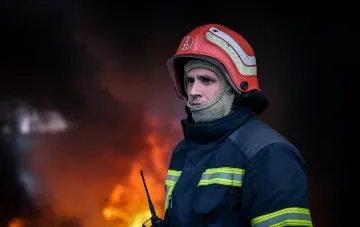
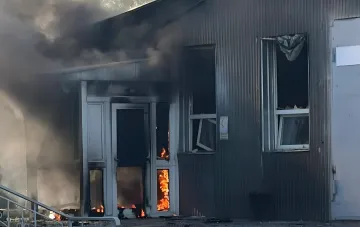
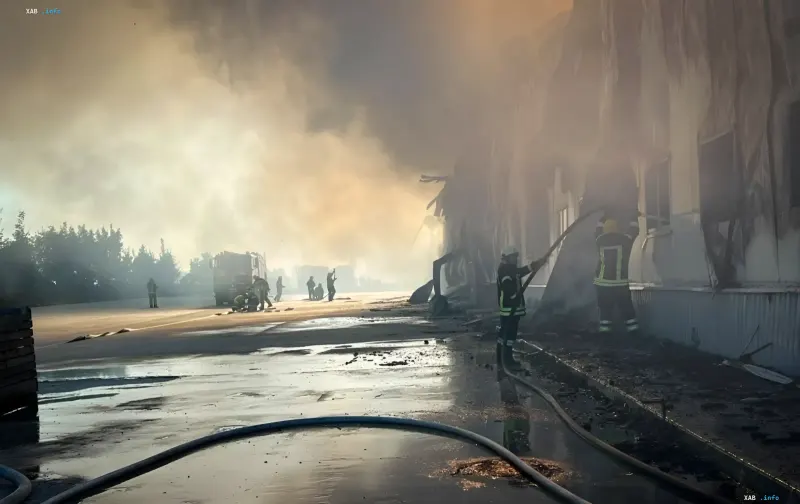
The context for the deterioration of air quality is set by the night event: on the night of August 20, Russian troops attacked Kyiv and the Kyiv region using ballistic and cruise missiles, as well as combat unmanned aerial vehicles. As a result of the shelling, people died, dozens were injured, and damage to residential buildings, warehouses, and critical infrastructure facilities was recorded in Kyiv and Brovary. Fires and structural destruction, smoke, and suspended particles of soot and dust logically explain the temporary increase in fine particulate matter indicators specifically in the affected locations. In the photo from the scene, fire and rescue crews can be seen localizing fires at a damaged building under conditions of dense smoke.
Recommendations for residents
Until the indicators normalize, specialists advise residents of Vishneve and Brovary to limit contact with polluted air: keep windows closed, reduce the duration of staying outdoors if possible, and consume sufficient amounts of water. If a household air purifier is used in the house, it is recommended to turn it on to maximum power — this will help reduce the impact of polluted air indoors until the situation improves. The measures are preventive in nature and aimed at minimizing the risk for the most vulnerable groups of the population.
Radiation background and other monitoring points
It is important to note that the level of gamma radiation in the Kyiv region, according to monitoring data, remains within the limits of the natural radiation background — that is, no threat of radioactive contamination was detected. This allows separating the problem of dust pollution from possible more serious environmental risks. Overall, the situation in the region is assessed as controlled: exceedances were recorded locally and are temporary in nature.
How the monitoring system works
Control of the state of atmospheric air in the region is carried out around the clock at 16 observation points. The operation of the system is possible only with stable power supply, which under the conditions of continuing attacks on energy infrastructure becomes an additional risk factor: during power outages, data from individual posts may temporarily not be received. That is why specialists urge residents to rely on official messages and, in case of deterioration of health, to limit staying outdoors until the indicators stabilize.