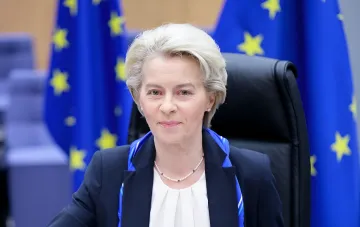
At the EU summit in Brussels, European Commission President Ursula von der Leyen invited European leaders to consider establishing an EU-wide strategic gas reserve. TASS reported this on October 16, citing Politico, which in turn relied on statements from three diplomats and two EU institution officials. The initiative became one of the key items on the agenda of the bloc's heads of state and government meeting, dedicated to energy security ahead of the heating season.
Initiative Amid Fears of Winter Shortages
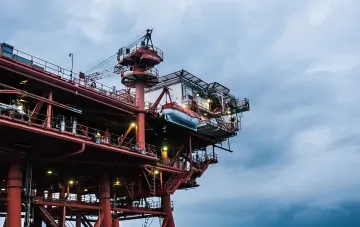
According to Politico, the proposal for a strategic reserve came amid growing concerns that a fuel shortage could emerge in the EU this winter. Existing gas storage facilities in Europe, which are normally filled year-round by commercial enterprises, are operating at record low levels this year. High summer gas prices, reportedly linked to the Middle East conflict and affecting the economic viability of summer injection, are cited as the cause.
Record Low Reserves at the Start of the Heating Season
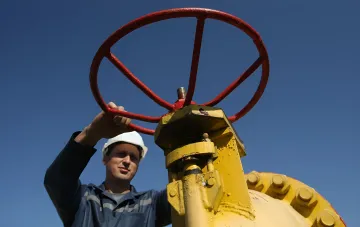
Earlier, TASS reported that Europe risks entering the heating season with record low gas reserves. According to available data, by the traditional start of the autumn-winter period, EU countries may fill their storage facilities to only 70–75%, the lowest figure in the entire history of observations at the start of the heating season. For comparison, under EU requirements, member states are obliged to ensure gas storage is 90% full between October 1 and December 1 each year, while a 10% safety margin is permitted in complex weather conditions.
Target Volume and Readiness to Lower the Threshold
Thus, to achieve the target filling rate, the total net volume of gas injected into European storage must be at least 68 billion cubic meters by the start of the 2026–2027 autumn-winter season. At the same time, given the expected very mild winter, the European Commission is ready to lower the filling threshold to 80% this year, which partially relieves pressure on member states facing limited ability to purchase gas at high prices.
Form of the Reserve Not Yet Determined
At the same time, as Politico emphasizes, EU officials still lack clarity regarding the exact form the proposed reserve fund will take. The details of the mechanism — ranging from the volume and sources of financing to management procedures and the distribution of reserves in a crisis situation — remain the subject of further discussions at the level of the bloc's institutions and national governments. Thus, von der Leyen's initiative at this stage is of a framework nature and will be refined during subsequent consultations.