Geopolitical turbulence often gives rise to unexpected economic consequences. In the case of the Odesa Fertilizer Plant (OFP), it was precisely the escalation of tensions between the USA and Iran, as well as the threat of blocking the Strait of Hormuz, that became the catalyst returning international capital's interest to the Ukrainian asset.
As reported by the Chairman of the State Property Fund of Ukraine (SPFU), Dmytro Natalukha, the situation in the Middle East created an ammonia deficit, leading to an explosive rise in prices and forcing global producers to seek new production points.
The Strait Blockade Effect
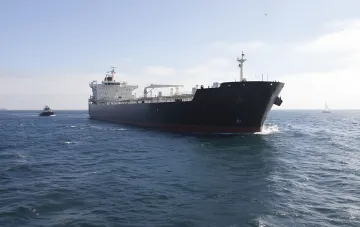
The Strait of Hormuz is a critically important node of global logistics, through which about 30% of global ammonia supplies are transited. The blockade or threat of closing this waterway immediately caused panic in the fertilizer market.
"Strangely enough, the most positive signal came from the US-Iran conflict. When the Strait of Hormuz was blocked, it turned out that about 30% of global ammonia supplies went through it. The blockade created a deficit in the market, and the price of ammonia went to the moon," Natalukha explained.
Amidst instability, international corporations began actively seeking ways to hedge risks. The Ukrainian OFP, which previously did not cause such a frenzy, came back into the investors' field of view.
Who Wants to Buy the Plant
Interest in the enterprise ceased to be local. Currently, the SPFU has concluded four non-disclosure agreements (NDAs) with potential buyers. Among them are companies from the USA, Asian countries, and the Middle East.
The process has already moved from the stage of studying documents to the phase of real inspections: representatives of foreign investors have already visited the facility for a detailed inspection of production capacities.
Dmytro Natalukha emphasized the contrast with previous attempts to sell. Previously, only one Ukrainian party showed interest, which ultimately refused to participate in the competition. Now, however, the asset is attracting the attention of players from the Middle East, Asia, and "from across the ocean".
Cost and Auction
The auction for the privatization of the OFP is scheduled for October 19. The bidding will be part of a large-scale SPFU campaign called "the month of big privatization".
The starting price of the enterprise was adjusted in July by the Cabinet of Ministers. The cost decreased by 4% — from 4.488 billion hryvnias to 4.3 billion hryvnias. The head of the fund noted that this decision was not made manually, but based on an independent assessment.
The reduction in cost is explained by objective factors: the enterprise received several direct hits during shelling, which damaged the infrastructure. Essentially, part of the asset's value was written off due to destruction caused by Russia, which now falls as a financial burden on the shoulders of the future investor.