On August 7, 2026, on the eve of the 18th anniversary of the full-scale invasion of Georgia by the Russian Federation, the United Kingdom, France, Germany, and Italy issued a joint statement. In the document, Western leaders expressed deep concern over the escalation of tensions in the occupied regions, particularly in South Ossetia, and warned Moscow that the annexation of Georgian territories would not go unpunished.
Diplomatic Response to "Deepening Alliance" with Separatists
The central trigger for the stern reaction from the "quartet" of nations was an event that took place on May 9, 2026. On this day, a so-called "agreement on deepening the alliance and cooperation" was signed between Moscow and the de facto authorities of South Ossetia. Furthermore, it was announced that a citizen of the Russian Federation had been appointed as the head of the occupied region. Western diplomats interpreted these steps as preparations for the legal and factual annexation of the territory, which constitutes a direct violation of international law.
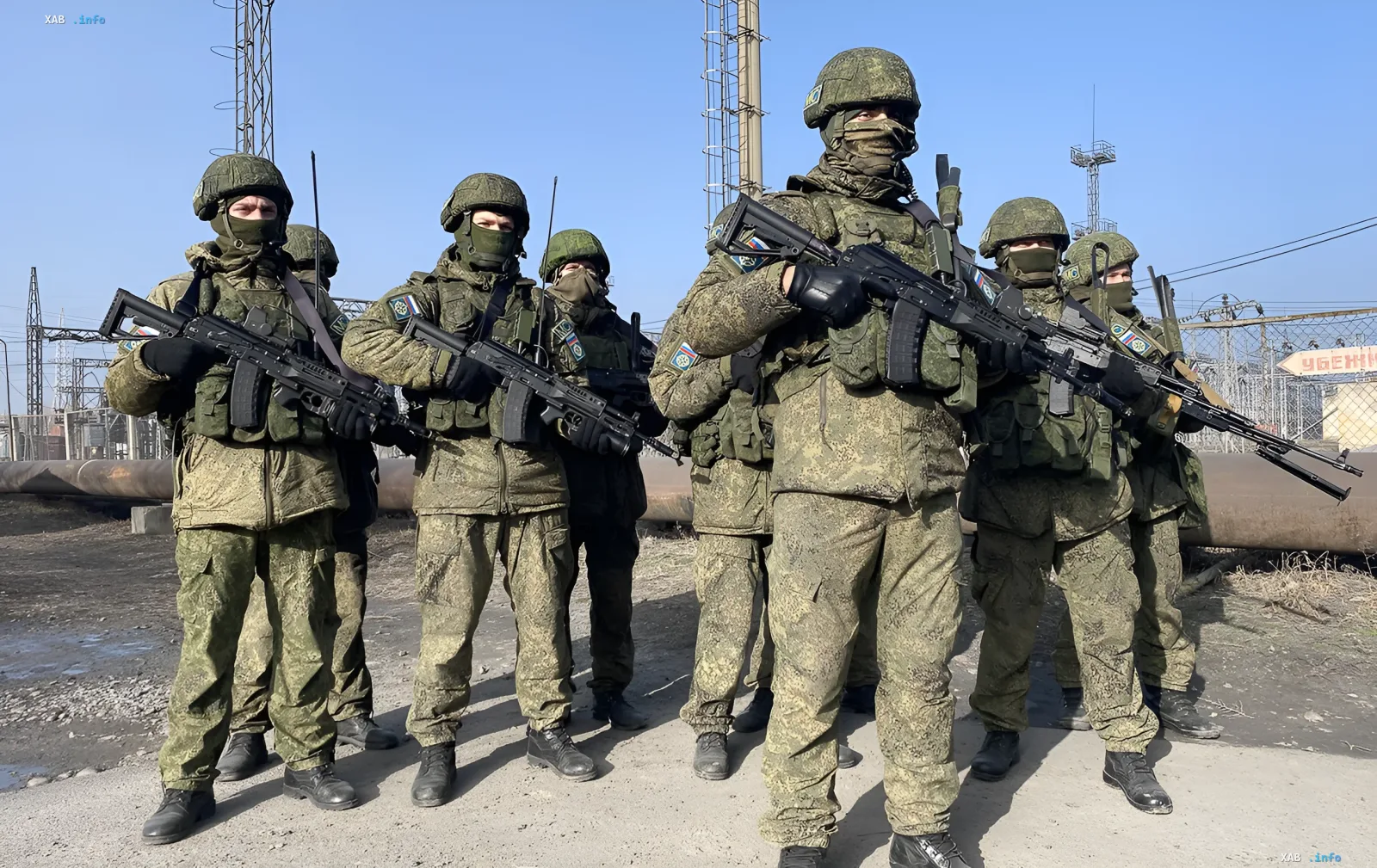
The statement emphasizes that such actions will not go unanswered. The guarantor countries called on Russia to immediately cease the militarization of Abkhazia and South Ossetia, as well as to withdraw its permanent military presence, which is a violation of the terms of the ceasefire agreement reached in 2008.
The Role of the ECHR and International Law
The joint statement relies on legal precedents formed over the past year. In particular, the allies recalled the ruling of the European Court of Human Rights (ECHR) issued in October 2025. The court found Russia guilty of a number of gross human rights violations and war crimes on the occupied lands of Georgia. Western partners urged the Russian leadership to immediately comply with the ECHR verdict, emphasizing that ignoring judicial decisions only strengthens international isolation.
Separately, the document highlights an important diplomatic victory: the decision of the Republic of Nauru to withdraw recognition of the "independence" of separatist entities. This served as a signal that international support for projects created on occupied territories is rapidly diminishing.
Chronology of Escalation: From 2024 Protests to 2026
The tension in the region is not sudden. As the publication notes, crisis phenomena were gradually intensifying. In November 2024, mass protests by the local population erupted in occupied Abkhazia. The trigger was the regional authorities' attempts to sign an "investment agreement" with Moscow, which, in the opinion of the Abkhaz, led to a complete loss of the remnants of sovereignty and economic dependence. In August 2024, on the 16th anniversary of the aggression, NATO had already made an official statement in support of Georgia's territorial integrity; however, the events of 2025–2026 showed that the conflict had entered a new, more acute phase.
Contradictory Data
There is a divergence in the interpretation of the current situation between officials in Moscow and Western analysts. While Western countries characterize the events in South Ossetia as "preparation for annexation," Russian official sources will likely insist that this is a "voluntary rapprochement" and "protection of the interests of civilians." Furthermore, data on the exact status of the appointed head of the region may vary: the West calls this direct interference, while separatist authorities may try to present it as an internal personnel decision approved by a "partner".