The U.S. administration has sent Congress a list of budget adjustments in which the White House proposes increasing the annual funding for NASA's Artemis lunar program from $7.8 billion to $9.8 billion. This does not yet concern funds actually appropriated: the document is a list of proposals that the administration asks to be taken into account when federal government funding is being agreed upon. According to the White House, the additional $2 billion should accelerate preparations for a crewed American mission to the Moon without cutting spending on other NASA areas, including scientific projects.
What the funds are specifically requested for
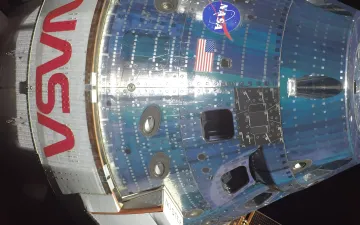
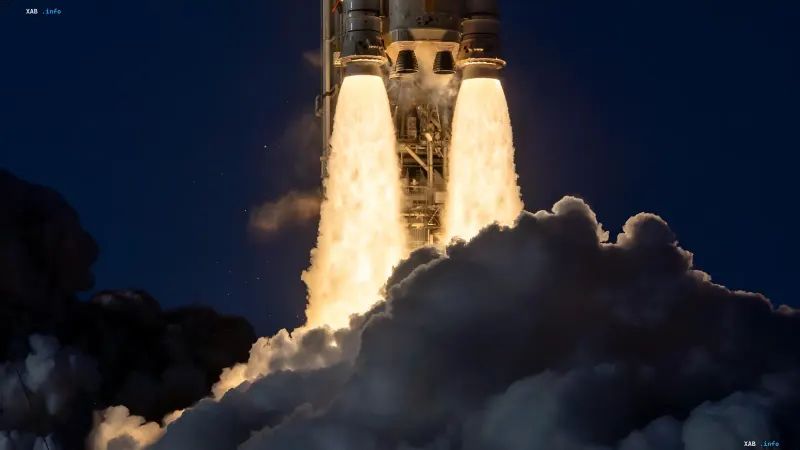
In the budget document, the priority is named as expanding the agency's own production capabilities and modernizing equipment for manufacturing complex components that commercial suppliers cannot deliver quickly or reliably. The list of specific items includes spacesuits, propulsion systems, equipment for the Space Launch System (SLS) rocket, habitat modules, and astronaut safety systems. The administration explicitly warns that without additional funds, work to accelerate Artemis will be delayed, and the required program deadlines may be missed.
Bottlenecks in supply chains
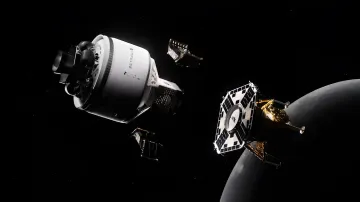
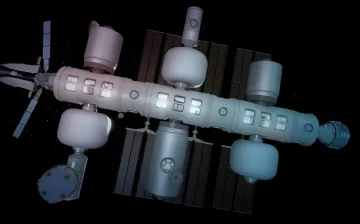
The need to speed up production is linked to delays in supply chains. NASA is helping SpaceX and Blue Origin complete the development of crewed lunar landers — key elements of the program that must deliver the crew from lunar orbit to the Moon's surface and bring them back. According to the document, both companies are facing difficulties in supplying components and conducting testing. In parallel, the agency is expanding its own technical capabilities to help Axiom Space develop lunar spacesuits and to support the creation of infrastructure for a future lunar base.
In-house capabilities versus commercial contractors
It is separately emphasized that NASA must retain the ability to independently manufacture complex small-batch components and large assembly units. This will allow the agency to more quickly resolve production delays in cases where commercial contractors fail to meet deliveries. Thus, the requested funds are positioned not as a replacement for private developers, but as a tool for reducing dependence on external suppliers of critical components.
Budget context: temporary funding until December 11
The request came against the backdrop of ongoing negotiations over the U.S. budget for fiscal year 2027, which began on October 1. Until Congress and the White House agree on a full budget, federal agencies, including NASA, are operating under temporary funding. The current resolution is in effect until December 11, after which either a full budget must be enacted or the stopgap mechanism extended.