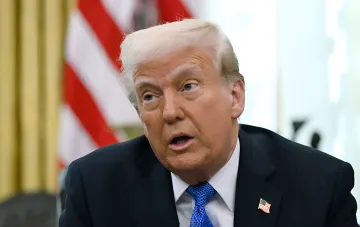

Amid escalating technological rivalry between the US and China, President Donald Trump's administration has intensified pressure on American tech giants. US Commerce Secretary Howard Lutnick, in an interview with The Wall Street Journal, openly expressed opposition to the idea of Apple using Chinese memory chips. Although the company might consider this step due to market necessity, the White House insists on finding alternative solutions to avoid supporting the Chinese semiconductor sector.
Memory Crisis and Apple's Forced Choice
The situation in the semiconductor market has worsened due to insatiable demand for computer memory from companies deploying data centers for artificial intelligence. This has led to a critical shortage of components and a rapid rise in prices. The increased cost of chips is forcing consumer electronics manufacturers, including Apple, to significantly raise their product prices. To mitigate the impact on supply and maintain margins, Apple is considering turning to Chinese memory manufacturers, which contradicts Washington's current geopolitical stance.
Trump Administration's Stance: "Without Qualification"
Howard Lutnick, who visited Apple's factory in Houston, clearly outlined the government's position. "The Trump administration does not support this. There must be other solutions to the memory problem, but using Chinese memory by American companies is not the best option," the minister emphasized. When asked directly if he had conveyed this message to Apple's leadership, Lutnick answered categorically: "Without any qualifications." This indicates that the issue has moved from the realm of recommendations to that of hard political pressure.
Testing Chinese Chips from CXMT and YMTC
According to sources familiar with the testing process, Apple is already testing memory chips produced by Chinese companies CXMT and Yangtze Memory Technologies (YMTC). This could be the first step towards their use in Apple devices sold in the Chinese market. The company's strategy likely involves attempting to localize production for the Chinese domestic market to bypass logistical and price barriers, although this creates risks for relations with Washington.
Geopolitical Context: Choosing Sides in the AI Race
The events surrounding Apple fit into the broader context of the global struggle for dominance in the field of artificial intelligence. As reported by Reuters, the US is preparing a statement for 35 countries, demanding that they choose a side in the AI race between America and China. Refusal to remain neutral or an attempt to cooperate with both sides could threaten exclusion from the US-led coalition. In this light, the use of Chinese components by an American brand is perceived as a threat to national security and technological sovereignty.
Contradictory Data
There is a gap between the administration's public statements and the actual actions of corporations. On one hand, Commerce Secretary Lutnick claims that using Chinese memory is "not the best option" and the administration does not support such steps. On the other hand, sources confirm that Apple is already testing chips from Chinese manufacturers. This creates a situation where Washington's political intentions clash with harsh economic reality: memory shortages and rising prices are forcing companies to seek workarounds despite warnings from the White House.