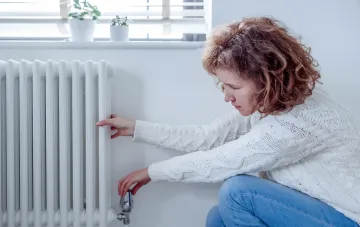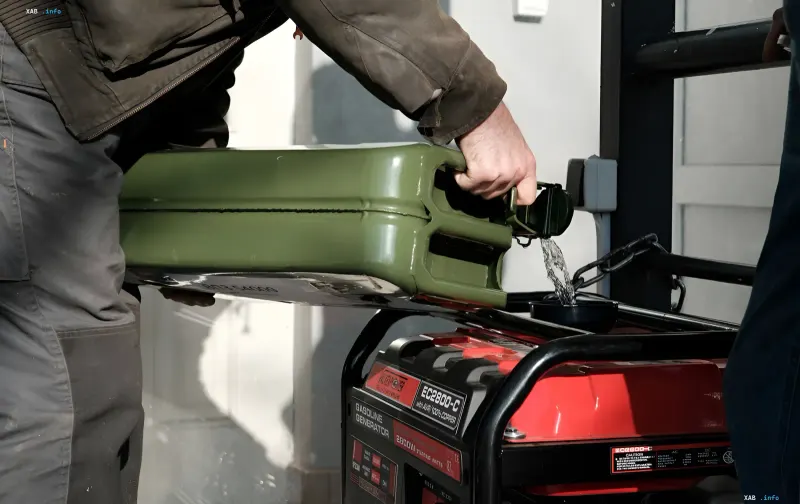
As the autumn–winter season approaches and blackouts become more frequent, renting a country home with expensive self-sufficient equipment — generators, heating and water supply systems — turns into a deal with a heightened level of financial responsibility. The key question for both parties is: who pays for what when the equipment is running under increased load. In the RBC-Ukraine article “A New Record Before Winter. How Much Does It Cost to Rent a Home and How to Check Its Self-Sufficiency,” experts in country real estate and lawyers break down how to fairly divide the costs of maintaining energy equipment and how to lock these rules into the contract so that neither the tenant nor the owner ends up at a disadvantage.
Who Pays for the Generator and Consumables
According to Pavlo Rebyka, a country real estate expert at the “D-22” agency, there is no single universal rule for allocating equipment maintenance costs, so the parties usually agree based on simple logic: whoever uses the equipment covers the current expenses. If the tenant actively operates the generator, all costs for replacing lubricant, filters, and other routine service work fall on them. At the same time, the annual servicing of systems and the restoration of worn-out or broken equipment generally remain the home owner's responsibility. Rebyka calls the fairest format a scheme in which the owner prepares the home for winter “turnkey,” while the tenant maintains that condition and covers the current consumables during their stay.
How Long Should the Rental Agreement Last
Realtor and real estate expert Oleksandr Boyko notes that before winter, landlords are cautious about short-term agreements: they need to forecast their income and avoid the property sitting idle during the cold season. Therefore, for quality homes with normal self-sufficiency, he calls a contract of six months or more the most typical term. A short-term format is also available, but it is less advantageous for the tenant, since owners build the risk of downtime and the need to find a new client into the price. In fact, the shorter the term, the higher the overpayment per unit of time, which should be taken into account when planning the winter budget.
Legal Protection for the Tenant: Indexation and Protection from Eviction
Andriy Lotysh, a lawyer and managing partner of the “Lotysh and Partners” law firm, explains that in Ukraine there are already legal mechanisms that allow renting housing officially and for a long term with real protection of the tenant's rights. In his words, such protection is created primarily by the terms of the contract. First and foremost, this is a transparent indexation formula for the rent, which reduces the risk of a sudden price increase in the middle of winter. In addition, the contract should clearly stipulate liability for early termination and the tenant's status in the event of a sale of the property, so that residents do not end up without legal guarantees and protection against arbitrary eviction.
Practical Conclusions Before Signing the Contract
The summary of expert recommendations boils down to a few practical steps. Before signing the contract, the tenant should verify the actual self-sufficiency of the property and record in the contract what equipment is included in the package and in what condition it is handed over. Next, it is necessary to agree on the formula for allocating costs: current consumables and servicing during operation — on the tenant, winter preparation and major repairs — on the owner. It is also important to fix the rental term (for self-sufficient homes, a minimum of six months is typical), the rent indexation formula, and the procedure in case of early termination or a change of owner. This approach turns renting a self-sufficient home from a risky deal into a predictable and legally protected one.