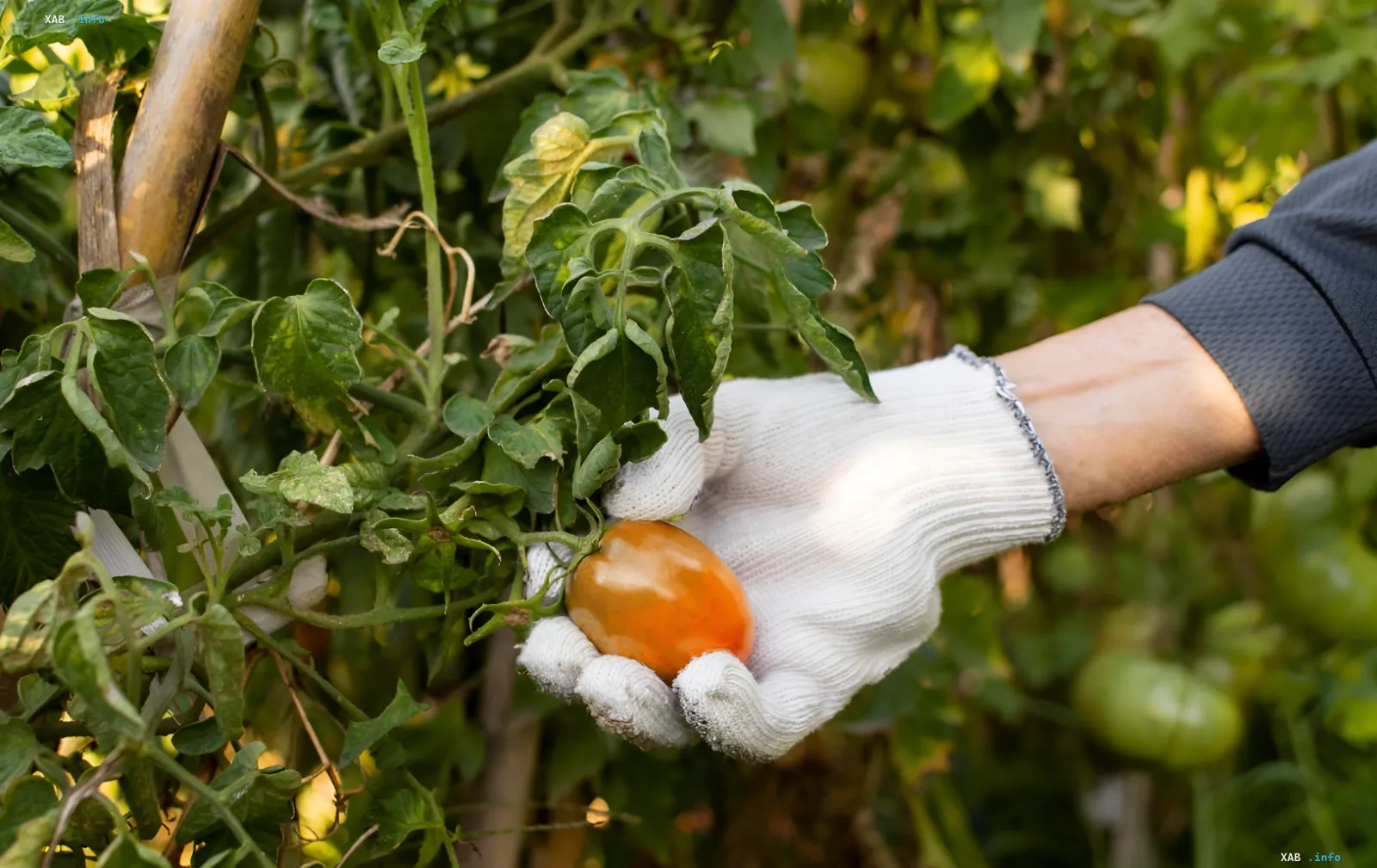
Curling tomato leaves are a sight that often causes panic among gardeners. The first thing that comes to mind is a serious disease or a critical deficiency of nutrients. However, there is no need to rush to conclusions and immediately reach for chemical preparations. In most cases, the reason lies in the physiological features of the plant or its reaction to external conditions.
Natural protection from heat
If you notice that the upper or lower leaves have slightly curled inward, but the bush itself looks strong, green, and continues to bloom actively, there is no need to worry. This is a natural thermoregulation mechanism.
During periods of intense heat, when the air temperature exceeds +30 degrees, tomatoes instinctively reduce the leaf surface area. By curling, the leaf evaporates less moisture, allowing the plant to protect itself from overheating and dehydration. As soon as the temperature normalizes, the foliage usually straightens out on its own.
Stress from care
Temporary deformation of leaves can be a reaction to agricultural procedures. Transplanting, pruning suckers, or shaping the bush is a stress for the tomato. If the plant looks healthy a few days after the intervention, it means it is successfully adapting to the new conditions.
When to sound the alarm
Curling leaves cannot be ignored if accompanied by other negative symptoms. Alarming signs include yellowing, browning, the appearance of spots, wilting, or a complete stop in growth. In such cases, it is necessary to find the true cause of the problem.
Watering mistakes
One of the most common causes of leaf deformation is a violation of the water regime. Tomatoes are extremely sensitive to the moisture balance in the soil:
- Drying out: If the soil remains dry for a long time, the leaves curl into a tight tube, trying to retain the remaining moisture.
- Overwatering: A constant "swamp" at the roots displaces oxygen. Hypoxia (oxygen starvation) forces the plant to react with leaf deformation.
Nutrition problems
Improper feeding can also lead to curling leaves:
- Excess nitrogen: Stimulates vigorous growth of green mass. The leaves become thick, dark green and curl, but the plant has little strength left for fruit formation.
- Potassium deficiency: The edges of the leaves curl upwards, gradually drying out, and a yellow border appears on the old leaves.
- Lack of calcium: Young leaves become deformed, and fruits may be affected by blossom end rot.
Root overheating and pests
If the soil in the bed is open and heated by the sun all day, the root system experiences severe stress. To prevent this, experienced gardeners recommend mulching the soil with mown grass or straw.
If the curling is accompanied by mosaic coloring, severe deformation, or growth suppression, the cause may be viral diseases. Unfortunately, they are practically impossible to cure, so it is better to remove the affected plants so as not to infect the neighbors.
It is also worth carefully examining the underside of the leaves. Insects-pests often hide there, sucking out the juice, causing the leaves to wrinkle and lose their shape.
The main rule
When problems with tomatoes are detected, do not rush to treat them with chemical preparations. First, carefully assess the condition of the plant. Often, it is enough to adjust the watering or feeding, and within a few days the leaves will straighten out, and the bush will continue to develop normally.