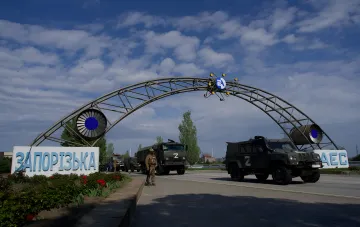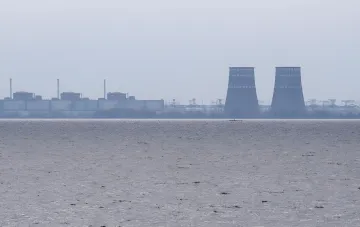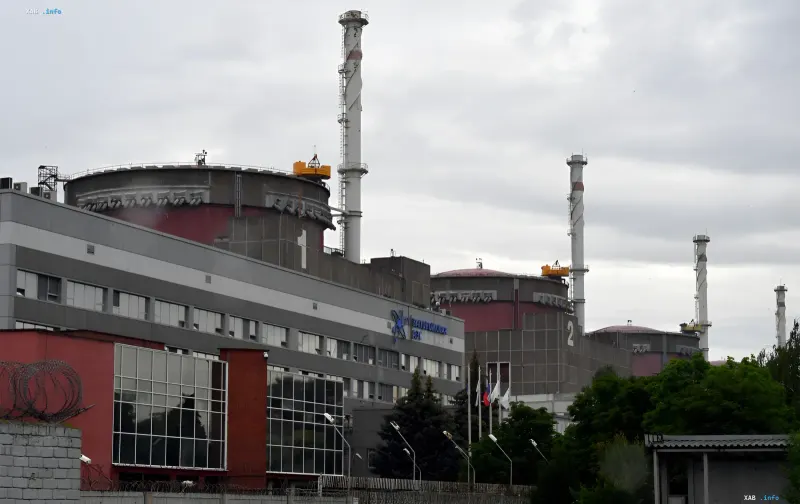
On September 5, 2026, a new local ceasefire regime took effect in the area of the Zaporizhzhia Nuclear Power Plant (ZNPP). This was announced by IAEA Director General Rafael Grossi in a post on the social network X, as reported by RBC-Ukraine. According to him, during the period of the agreed "silence," Ukrainian technical specialists are to begin restoring the damaged power line that previously supplied the plant with external electricity.
Seventh ceasefire since the start of the war
The current local ceasefire is already the seventh that the IAEA Director General has managed to secure as part of the agency's efforts to prevent a nuclear accident amid hostilities. Grossi emphasized that both sides of the conflict have interacted constructively with the international agency to ensure nuclear and radiation safety, as well as the protection of the plant. The IAEA team, he said, will directly monitor the progress of the repair work throughout the entire period of the ceasefire agreement.
Demining and restoration of the line
Before the actual repair of the damaged power line can begin, the area must be cleared of mines. Only then will specialists be able to start renewing the route. It is precisely this line — the 330-kilovolt line — that was the plant's last available external connection to the power grid before it was damaged.
Plant running on emergency diesel generators
A critical turning point in the ZNPP's power supply occurred on August 20, when, due to hostilities on the northern bank of the Dnieper, the plant lost its connection to the last available power line. Since that moment, the facility has been forced to operate on emergency diesel generators, which supply electricity to the systems needed to cool the six reactors and the spent nuclear fuel pools. On the night of August 20, the 27th blackout at the plant was recorded; since the start of 2026, this is the 15th such incident.
Conflicting data
The provided sources show a discrepancy in the name of the damaged line. In the main summary and a number of publications it is referred to as the 330-kilovolt "Ferropлавная-1" line, whereas in the Interfax article (source_id 3) the spelling "Ferosплавная-1" is used. The difference in a single root word may be either a typo in the original source or the result of an inaccurate transmission of the substation/line name. The circumstances themselves — the loss of the last external line on August 20 and the switch to diesel generators — are confirmed uniformly by all sources, however, the exact official name of the route requires verification against the plant's technical documents.
Diesel fuel shortage
The situation remains critical due to the shrinking reserves of diesel fuel. Last week, Grossi warned that the ZNPP's diesel stock was sufficient for roughly 10 days of operation. If external power supply cannot be restored during the current ceasefire, or if additional fuel reserves are not delivered to the plant, a threat of a complete loss of electricity may arise in the coming days, which, according to experts, poses a risk to the reactor cooling systems and the storage pools.