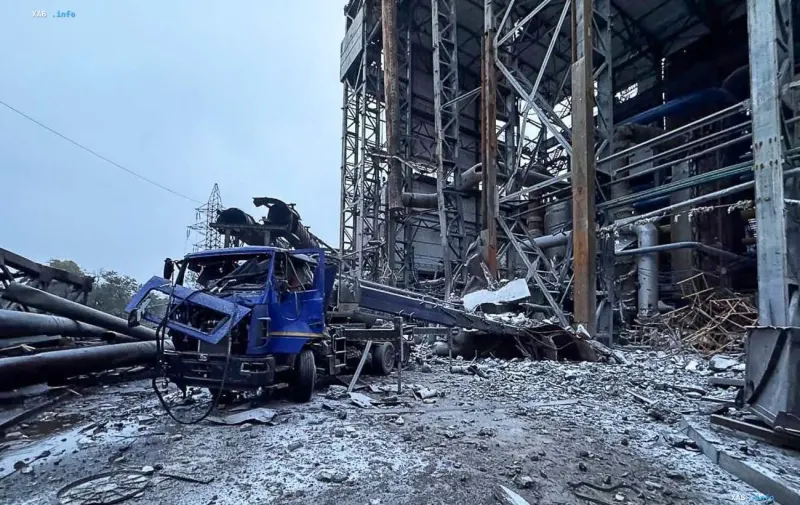
At dawn on October 17, 2026, the Zaporizhstal metallurgical plant was targeted by ballistic missile strikes for the fifth time since the beginning of August. Six shells hit the enterprise's internal energy and logistics infrastructure facilities, and once again damaged the blast furnace production sites. Thanks to workers moving to shelters in a timely manner, there were no fatalities or injuries as a result of this attack.
Course of the Attack and Nature of Damage
According to Metinvest Group Operations Director Oleksandr Myronenko, the strikes hit energy and logistics facilities, as well as blast furnace production sites that had already suffered during previous attacks. Following the series of strikes, the enterprise has not returned to normal operating mode, so, as management emphasizes, “there is no logic in the ongoing shelling, just as there is no logic in the war itself.” Workers, having heard the air raid alert, headed to shelters, which helped avoid casualties this time.
Metinvest's Stance: People Are the Main Value
In his statement, Oleksandr Myronenko focused on the enterprise team. According to him, professionalism, competence, and team spirit have always been the company's values, but under constant shelling, the employees' “strength of spirit” comes to the fore. He thanked the workers who “clear the rubble meter by meter,” unite to eliminate the consequences of the strikes, and return to work at the damaged sites after the all-clear signals — by the iron troughs, energy units, and locomotives.
Chronology: Five Massive Attacks Since August
According to the data provided, Zaporizhstal was subjected to massive ballistic attacks on August 11 and 27, September 12 and 17, and October 17, 2026. Over this period, a total of 23 ballistic missiles were fired at the enterprise. As a result of these strikes, eight plant workers were killed, and another 31 metallurgists sustained injuries of varying severity.
Remediation and Production Status
Following the shelling on August 11, the entire production complex was shut down, and workers were engaged in debris removal and damage assessment. Some technological processes were promptly resumed to maintain equipment in a safe condition and eliminate potential man-made risks for personnel and citizens. Further work was carried out at a critically necessary level, while normal-mode production was never resumed.
Expansion of Protective Structures
Given the constant security risks due to systematic shelling of Zaporizhzhia, the enterprise promptly expanded its network of protective structures. Additionally, mobile shelters with reinforced structures were installed in areas where post-attack cleanup and equipment repair work is underway. This made it possible to minimize the distance and time required for workers to reach a shelter, which is especially important during ballistic missile attacks.