For the January–September 2026 period, Ukraine's largest steelmaker Zaporizhstal reported a net loss of UAH 2.31 billion, whereas in the same period of 2025 the enterprise posted a profit of UAH 1.89 billion. This is stated in the company's interim financial report, cited by Ekonomichna Pravda with reference to RBC-Ukraine data. The shift in financial performance from profit to a loss over the nine months resulted from the simultaneous impact of several critical factors: a series of Russian ballistic strikes on production infrastructure, supply chain disruptions, power supply risks, and tightening European Union trade rules.
Five Ballistic Attacks and Complete Production Shutdown
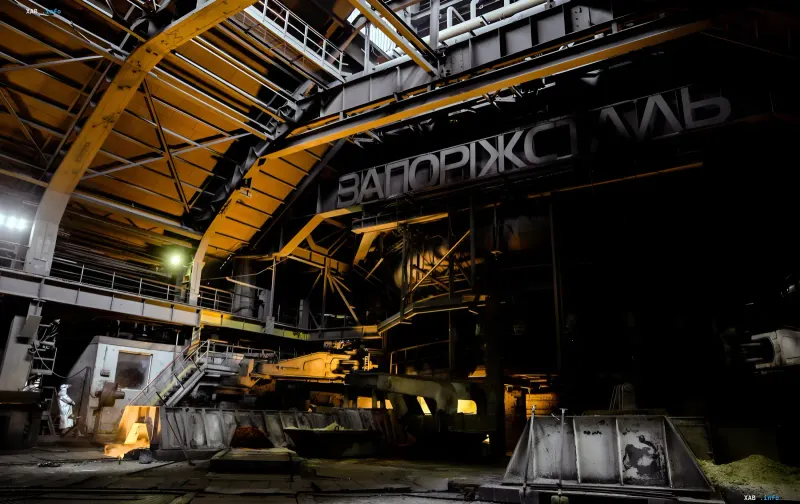
The central factor determining Q3 financial results was the sharp escalation of Russian attacks on the plant's facilities. Between August and October 2026, Zaporizhstal suffered five ballistic strikes — on August 11 and 27, September 12 and 17, and October 17. During this period, 23 ballistic missiles were fired at the enterprise. Following the August 11 attack, the production complex was completely shut down. During the subsequent strike on August 27, five missiles hit blast furnace shop equipment, energy, and transport infrastructure. In subsequent weeks, the strikes continued, damaging production equipment, utility lines, and railways. In the third quarter alone, the company's loss reached UAH 1.25 billion, while revenue from ordinary activities for the nine months decreased by 8.3% to UAH 49.16 billion.
Logistics Crisis: From the Black Sea to Western Borders
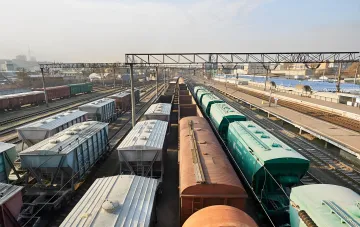
In addition to direct physical damage, the plant faced systemic logistical challenges. The interim report highlights Black Sea shipping restrictions among key risks. Due to port operation issues, the company is forced to reroute cargo via multimodal routes, which significantly increases logistics costs and extends export contract fulfillment times. An additional pressure factor remains the congestion at western border crossings, complicating both raw material imports and finished steel product exports. The cumulative effect of these restrictions is rising production costs and loss of competitiveness in foreign markets.
Energy Risks and Dependence on Stable Power Supply
The steelmaking process directly depends on uninterrupted and stable electricity supplies. Zaporizhstal's report emphasizes that significant power disruptions could force the plant to operate at reduced capacities, further cutting revenue and increasing unit fixed costs. Amid ongoing attacks on Ukraine's energy infrastructure, this risk remains one of the most likely scenarios for the coming months.
EU Trade Restrictions and the CBAM Effect
An additional pressure factor on the company's financial outlook was changes in European Union trade policy. Starting July 1, 2026, stricter restrictions on steel imports into the EU came into effect. The enterprise highlights the CBAM (Carbon Border Adjustment Mechanism) as a separate risk, which gradually increases financial and administrative costs for steel suppliers to the European market. For the Ukrainian manufacturer, already operating under high logistical burdens, these changes reduce export margin profitability.
Context: From Doubled Profit to a Loss in One Year
To assess the scale of the deterioration, it is enough to compare the two-year dynamics. In 2025, Zaporizhstal doubled its net profit, bringing it to UAH 1.76 billion. Already in the first nine months of 2026, this result turned into a loss of over UAH 2.3 billion. Earlier reports indicated that the shutdown of major steel plants due to Russian strikes increased Ukraine's dependence on steel imports: shortages of reinforcing bars and rolled products are already felt by developers preparing for rising construction costs. Thus, the plant's financial losses translate into a broader economic context, from the construction sector to the country's overall industrial production.