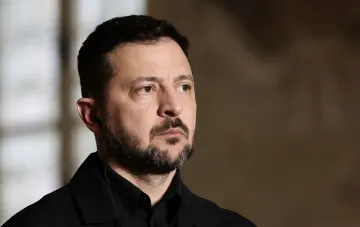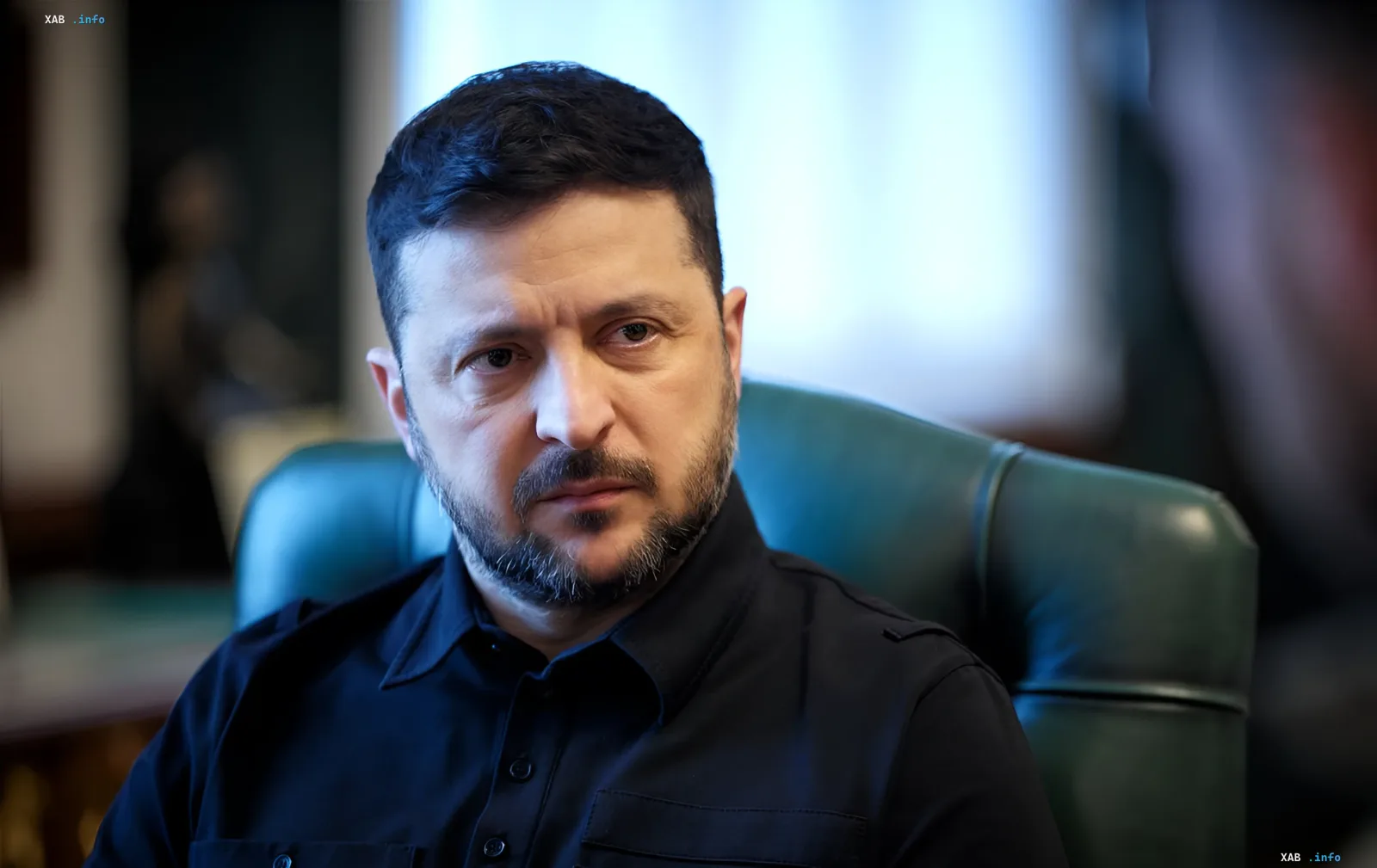
Ukrainian President Volodymyr Zelensky stated that Kyiv is ready to halt strikes on Russian oil refineries if Moscow takes decisive steps to de-escalate the conflict. This was reported by RBC-Ukraine, citing a direct statement by the head of state made against the backdrop of ongoing dialogue with the US administration and on the eve of the UN General Assembly in New York. According to Zelensky, Ukraine has sought peace since the very beginning of the full-scale invasion and has put forward dozens of diplomatic proposals to end the war, ensure security, and prevent new aggressions by the Russian Federation.
De-escalation condition: what must change
The key condition voiced by Zelensky is the cessation of Russian strikes on Ukraine's energy sector, critical infrastructure, and food exports. "Ukraine's energy sector, critical infrastructure, and our food exports must stop being targets for Russia, and that will encourage us to take corresponding steps toward de-escalation," the president emphasized. Thus, Kyiv is formulating a mutual exchange: if Moscow relieves pressure on objects vital to Ukraine, Kyiv in turn renounces strikes on refineries, which, according to Western and Russian sources, have already been largely taken out of operation.
Dialogue with Trump and the UN platform
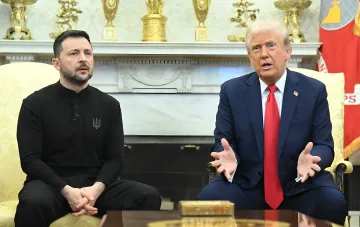
Zelensky confirmed that dialogue with US President Donald Trump and the American side is currently ongoing. He added that ideas capable of bringing peace closer are being considered, starting with decisive steps toward de-escalation. The Ukrainian side, he said, is ready to work on concrete solutions and to discuss this issue with partners on the sidelines of the UN General Assembly in New York. "The times when only the country under attack suffered are over. The nature of today's war is such that the aggressor will also suffer losses. This has become possible thanks to technology. The strength of state leadership can — and must — ensure de-escalation, security, and peace," Zelensky stated.
Context: Trump's statements on the state of Russian oil refining
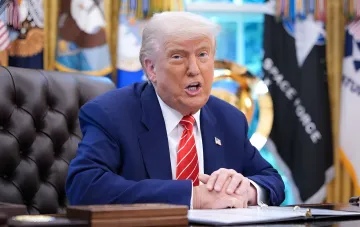
Zelensky's statement came on the day when Donald Trump publicly noted that Russia has effectively lost control over its own oil refining industry after many refineries were taken out of operation as a result of Ukrainian strikes. The US president called the war "senseless and endless" and stated that it must be stopped. In his assessment, around 25,000 people are killed in the conflict each month, mostly military personnel. These statements create an additional political context for the Ukrainian proposal: Washington, it seems, views de-escalation as a priority and is ready to support initiatives aimed at reducing the intensity of hostilities.
Contradictory data
Publications by various outlets show a slight discrepancy in the wording of the condition. RBC-Ukraine uses the singular in its headline — "named the condition" — implying a single criterion. However, in the text of Zelensky's statement itself, three separate areas are listed: the energy sector, critical infrastructure, and food exports. Dialog.ua and Vesti.az also emphasize that the talk is of a list of targets, not a single condition. Thus, the factual essence of Kyiv's position does not change, but the degree of specificity of the wording varies depending on the source. Moreover, none of the cited statements names exact deadlines or a verification mechanism for confirming that Russia has actually stopped strikes on the specified objects before Ukraine halts its attacks on refineries.
Assessment and prospects
Zelensky's proposal is, in essence, the first specific "exchange" publicly voiced by Kyiv within the framework of de-escalation: renouncing strikes on refineries in exchange for the cessation of attacks on the energy sector and food exports. This could become the basis for a broader negotiation track on the UN platform. At the same time, as Zelensky himself notes, each new week of the war brings growing consequences — human losses, destruction, threats to food security, and unprecedented rates of technological development in armaments, including autonomous drones and advanced strike systems. In a situation where both sides acknowledge an escalation ceiling, the proposed exchange could become a practical first step toward reducing the intensity of the conflict, although its implementation depends on Moscow's political will and Washington's readiness to provide guarantees of compliance with the agreements.