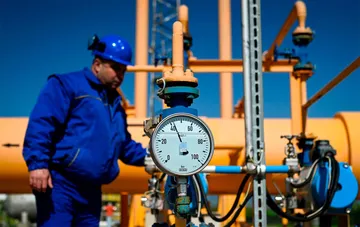
According to sources cited by Reuters, the German far-right party Alternative for Germany (AfD) and a Russian representative, specifically the head of the sovereign wealth fund Kirill Dmitriev, are preparing a meeting dedicated to resuming Russian gas supplies to Germany. The talks, according to available information, could take place in early 2027, with the planned participation of AfD co-chairs Alice Weidel and Tino Chrupalla. At the same time, the organizers emphasize that such negotiations will only be possible following the prior agreement on a peace settlement between Ukraine and Russia.
Who is preparing the talks and why
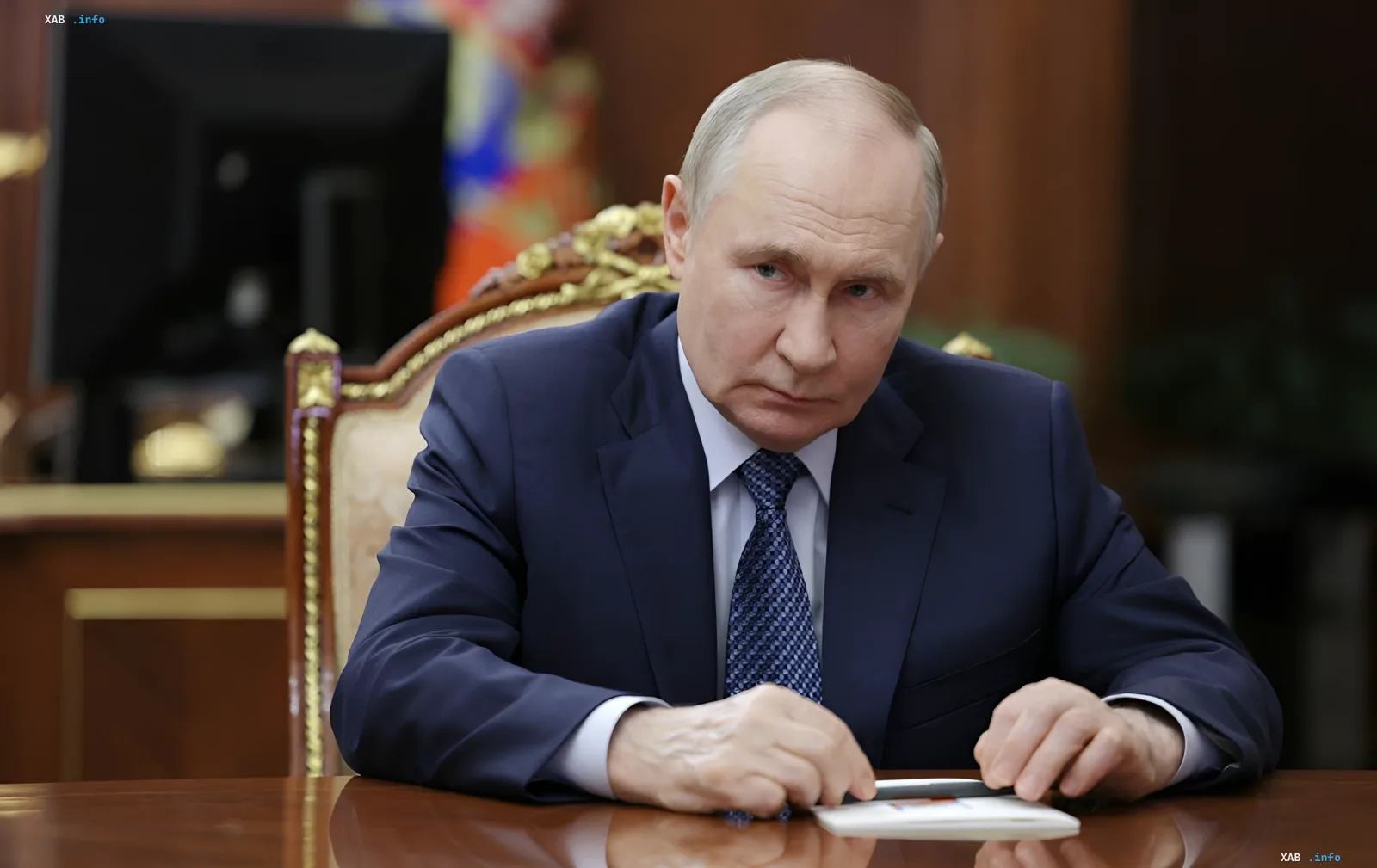
The main goal of the initiative, according to the publication, is to offer the German voter a "return to cheap energy from Russia." The Russian side in the talks is expected to be represented by Kirill Dmitriev, who in various materials is described as either the head of the sovereign wealth fund or as Vladimir Putin's economic representative and special envoy. The meeting itself has not yet been confirmed by either side and is of a preparatory nature, not a concluded agreement.
The American factor and "Nord Stream"
The organizers, according to the publication, had hoped to involve American representatives Steve Witkoff and Jared Kushner in the discussion of resuming the operation of the "Nord Stream" pipelines. However, in the US it has already been stated that they were not informed about such a summit. Thus, the plan to include the American side in the process apparently found no response in Washington.
Berlin's reaction: from "treason to the state" to "hybrid weapon"
The idea of resuming supplies from Russia provoked a sharp negative reaction among German officials and lawmakers. Green Party member of parliament Michael Kellner stated: "Germany cannot become dependent on Russia again. We cannot repeat the mistakes of the energy crisis, which cost us 50 billion euros. That would be treason to the state." Christian Democrat member of parliament Roderich Kiesewetter emphasized: "Russia uses energy, especially "Nord Stream," as a hybrid weapon. Restoring "Nord Stream" would be a disaster for European security and would isolate Germany." In the German government and EU structures, any attempts to restore energy dependence on Moscow are viewed with extreme criticism, noting that Germany has completely abandoned Russian energy resources and a return to the previous schemes is impossible.
Background: AfD and the Kremlin have repeatedly tried to establish contact
This is far from the first time that AfD has attempted to establish direct contact with the Kremlin and the Russian energy sector. Previously, AfD member of parliament Marcus Frronmayer met in Saint Petersburg with the head of Gazprom, Alexey Miller, and called for resuming the launch of the "Nord Stream" pipeline. In parallel, the Russian side continues to seek other ways to maintain gas contracts in Europe and on its borders: in particular, Turkey and Russia are discussing the extension of long-term gas supply agreements beyond 2026.
Contradictory data
The publications and statements of the parties contain a number of inconsistencies that are important to take into account. First, the role and status of Kirill Dmitriev are presented differently: in one material he is named the head of the sovereign wealth fund, in others — Putin's "special envoy" or "economic representative"; there is no single official definition of his mandate for these talks in open sources. Second, the status of the meeting itself is contradictory: sources describe it as "being prepared" and conditional (dependent on a peace settlement between Ukraine and Russia), while the headlines of some publications can be read as about a fact in the making. Third, the organizers had counted on the participation of American representatives Witkoff and Kushner, however, in the US it was stated that they were not informed about the summit — that is, the plan and Washington's actual position diverge. Fourth, the editorial presentation of some materials (for example, the formulation "representative of the Russian dictator") is evaluative and does not match the neutral characteristics in primary sources.
Thus, at the current moment, the discussion is about the preparation of potential negotiations, which depend on geopolitical conditions and have not been confirmed by Berlin, Washington, or the AfD party itself in an official manner. Any statements about the "resumption of supplies" remain at the level of political initiatives, not of active contracts.