August 15, 2026 — The geopolitical map of energy supplies to Southern Europe has undergone fundamental changes. By the end of the first half of 2026, Algeria officially solidified its status as the largest exporter of natural gas to Spain, taking a dominant position in the Madrid market. This shift marked the final act of a long-term diversification strategy aimed at reducing dependence on Russian hydrocarbons.
New Hierarchy of Gas Suppliers
Statistical data for July 2026 demonstrates a stark contrast in the import structure. Algeria accounts for approximately 47% of the total volume of gas entering Spain. This is more than three times the figures of its nearest competitor. Nigeria, traditionally considered a key player in the LNG market, took second place with a market share of 15.4%. The United States, which had been actively expanding export capacity in previous years, slipped to third place with 11.6%. Russia, once the main supplier, now holds only the fourth position with a share of 8.1%, indicating the near-complete conclusion of the energy decoupling process between the EU and Moscow.
Infrastructure Advantage and Logistics
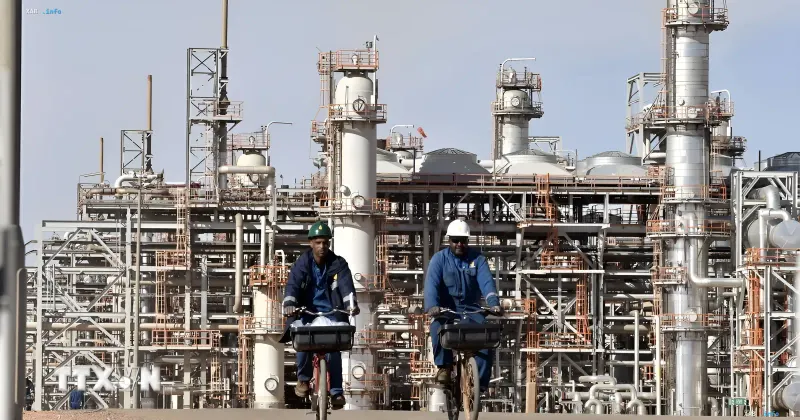
Algeria's success is due not only to large reserves but also to a unique infrastructure link. The key factor is the Medgaz pipeline, which directly connects North African gas fields with the Spanish network. This gives Algeria a critical advantage in delivery speed and cost compared to maritime shipments of liquefied natural gas (LNG). In July of this year, about 10,707 GWh of gas was exported through these channels, and the total volume of supplies since the beginning of the year reached an impressive 74,336 GWh.
Diplomatic Context and African Integration
The energy partnership between Algeria and Spain became possible thanks to the normalization of bilateral relations. After a period of diplomatic tension that lasted several years, Madrid and Algeria found common ground, paving the way for expanded economic cooperation. Furthermore, Algeria is strengthening its position as a transit hub for the entire African continent. The implementation of the Trans-Saharan Gas Pipeline (TSGP) project, stretching over 4,000 km, will allow gas to be transported from Nigeria through Niger to Algeria, from where it will be sent to international markets, enhancing the country's role as an energy bridge.
Contradictory Data
While official statistics confirm Algeria's leadership, market experts note certain volatility in long-term forecasts. On the one hand, pipeline infrastructure ensures supply stability. On the other hand, there is a risk of competition from new LNG projects in the US and Qatar, which may offer more flexible contracts. Additionally, some analytical reports indicate that the growth in Algeria's share is partly due to a temporary decline in production in other regions, which could change the balance of power during 2027.
Europe's Energy Security Strategy
Algeria's growing role fits into the European Union's global plan to ensure energy independence. Madrid, importing gas from approximately 14 countries, continues to diversify sources, but Algeria's geographical proximity makes it a priority partner. Strengthening ties with Algeria allows Europe not only to compensate for the loss of Russian volumes but also to create a reliable buffer against price shocks in the global market. Amidst growing demand for gas in Spain, Algeria remains a guarantor of stability for Southwestern Europe.