Massive strikes on logistics: five ships attacked in two days
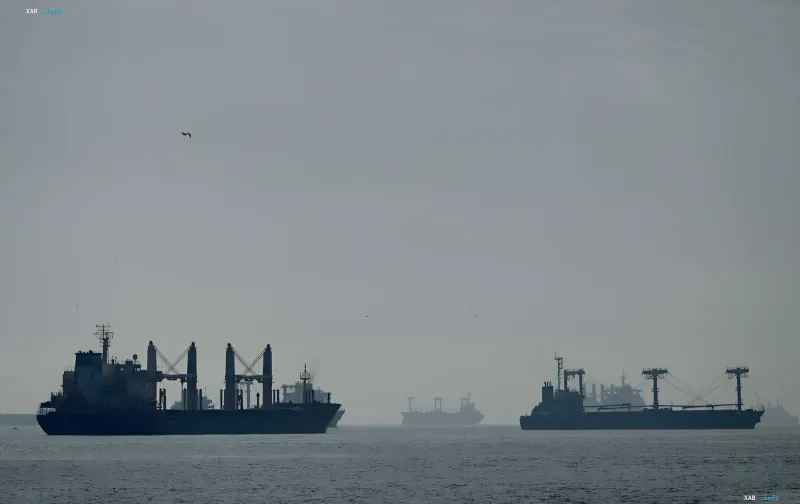
A precedent-setting series of attacks on the merchant fleet has been recorded in the area of the Russian Black Sea ports of Novorossiysk and Tuapse. According to Bloomberg sources familiar with the situation, at least five grain ships were attacked over two days — Monday and Tuesday. This event marks the first official confirmation that the vessels servicing the affected port terminals were specifically targeted, putting Moscow's export plans at risk.
The attacks occurred during a critical harvest period, when Russia and Ukraine, which account for more than a quarter of global wheat exports, are key players in the market. The intensification of Ukrainian strikes on port infrastructure and ships in the Black Sea is causing serious concern among global traders and shipowners, who are beginning to fear the risks of entering Russian ports.
Incident details: from fires to successful voyages
Among the damaged vessels is the Russian bulk carrier 'Victoria V', capable of carrying 7,000 tons of grain. It was attacked directly in the port of Novorossiysk, where it was scheduled to load wheat. Another vessel, the 'Feha' under the flag of the Marshall Islands, was attacked after leaving the same port with a full cargo; however, despite the damage, it managed to continue its voyage.
Particular attention is drawn to the fate of the 'Elina B' under the Maltese flag. It sustained a drone strike after loading a significant volume of wheat — approximately 56,000 tons. Despite the attack, the ship was not destroyed and is currently heading to the Bosphorus. In the port of Tuapse, drones attacked the bulk carrier 'Nesibe' (flag of San Marino), which was scheduled to load about 20,000 tons of grain. The fifth vessel, the 'Anna C' under the Liberian flag, was heading to Novorossiysk for barley, but a fire broke out on board due to a drone strike, making it impossible to continue the voyage.
Strategic context: halt of Azov ports and strikes on Novorossiysk
The current escalation is taking place against the backdrop of a complete paralysis of supplies from Russian ports on the Sea of Azov, which has lasted since July 10. Drone attacks have completely halted the operation of these terminals, which provide a quarter of the country's total grain exports. The situation in Novorossiysk also remains tense: last week, three terminals in the deep-water port announced a suspension of operations following one of the heaviest attacks since the start of the conflict.
In the night of August 12, the Ukrainian Defense Forces launched a massive strike on Novorossiysk, damaging both the Russian naval base and port infrastructure. Satellite imagery confirmed probable hits on grain and oil terminals, and a state of emergency was declared in the city. These events demonstrate the growing effectiveness of Ukrainian operations to disrupt the adversary's logistical chains.
Shipowners' reaction and risks for the global market
Moscow is attempting to downplay the scale of the damage from the attacks, but the real picture at sea tells a different story. More and more shipowners are expressing concerns about the safety of entering Russian ports. The intensification of attacks during the height of the harvest creates risks for global food security, as any disruptions in supplies from Russia and Ukraine immediately affect global grain prices.
The situation remains dynamic and dangerous. Continued attacks on merchant ships and ports could lead to a long-term reduction in grain exports from Russia, which will affect the food markets of countries dependent on imports. The international community is closely monitoring developments in the Black Sea, fearing a new wave of food crisis.