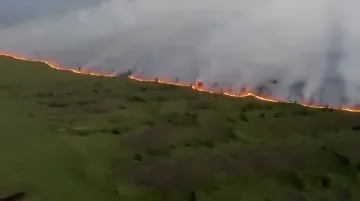
August 17, 2026, Belgium. In the province of Limburg, right on the German border, a massive humanitarian and rescue operation is unfolding. The Hoge Venen nature reserve, one of the largest peat bogs in Europe, is engulfed by a fire of unprecedented force. According to the latest data, since Friday, August 15, an area exceeding 3,000 hectares has been under fire. This event has been officially recognized as the largest forest fire in the modern history of the kingdom.
Mobilization of Forces: From 250 Firefighters to an International Coalition
Fighting the fiery element requires colossal resources. Overnight from Saturday to Sunday, more than 250 firefighters and emergency rescue personnel worked at the scene. However, ground forces faced serious difficulties due to the specifics of the terrain: the fire spreads across fragile peatlands and dense pine forests, where the flame often burns underground, making it practically invisible and inaccessible for extinguishing.
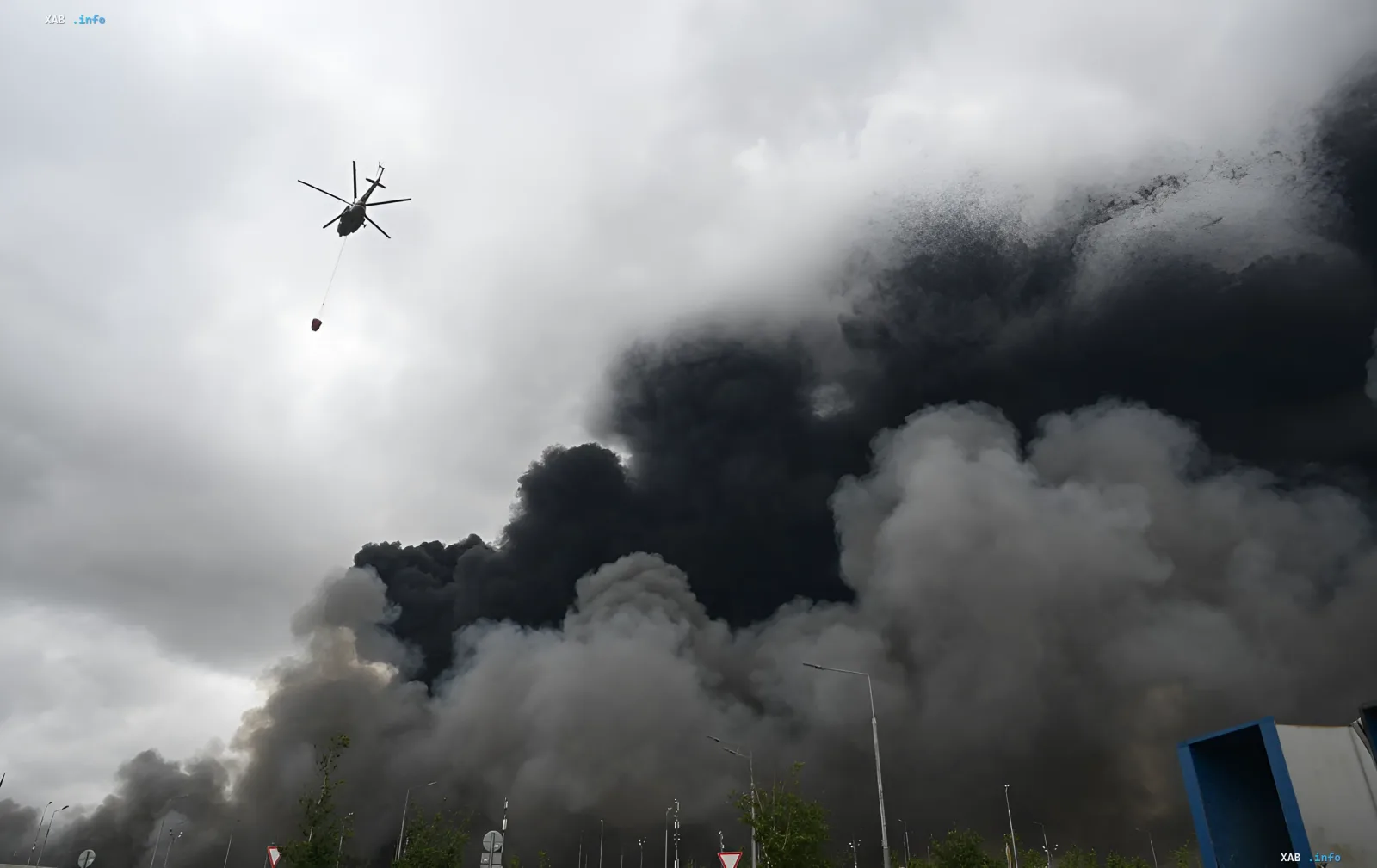
Consequently, the rescuers' strategy has changed radically. On Sunday, priority was given to air support. Belgian federal police helicopters and specialized aircraft from the Netherlands are operating over the reserve. They make endless flights, taking water from nearby lakes and dropping it on the epicenter of the fire. The operation is round-the-clock, despite difficult weather conditions.
Activation of the EU Civil Protection Mechanism
Understanding that national resources are insufficient to localize such a large-scale disaster, the Belgian authorities officially activated the European Union Civil Protection Mechanism. This decision allowed them to request emergency assistance from partner countries. Belgian Prime Minister Bart De Wever expressed gratitude to European neighbors on the social network X, noting that without international support, control over the situation would have been impossible.
The Czech Republic and Sweden have already joined the operation, sending additional helicopters. European Commissioner for Preparedness and Crisis Management Hadji Lahbib confirmed that Germany and Norway may join the list of donor countries, providing their aviation to fight the fire.
Historical Parallels and Threat to Populated Areas
The situation in Hoge Venen evokes alarming historical associations. The area where the fire is raging has already suffered from similar catastrophes during the severe drought of 1911. Then, the fire destroyed huge areas of the bogs, and the restoration of the ecosystem took decades. Now, against the backdrop of recurring heatwaves and droughts characteristic of the summer of 2026, nature has failed again.
Despite the fire remaining uncontrolled, government sources report an important fact: no residential houses have been damaged. Nevertheless, for the safety of residents of two adjacent villages, a full evacuation was carried out. The fire continues to move, and authorities fear it may spread beyond the reserve.
European Context: Fires Sweep the Continent
The Belgian catastrophe is not an isolated case. The summer of 2026 became one of the hottest and driest in European history, leading to a surge in forest fires across the entire continent. Thousands of people were forced to leave their homes in Croatia, France, Germany, Greece, and Spain. On Sunday, French firefighters were also actively fighting blazes, one of which dangerously approached the border with Belgium, creating a threat of merging fire foci.