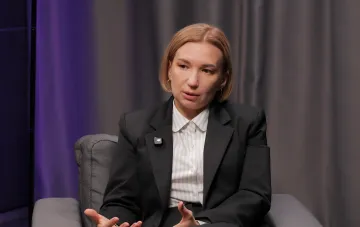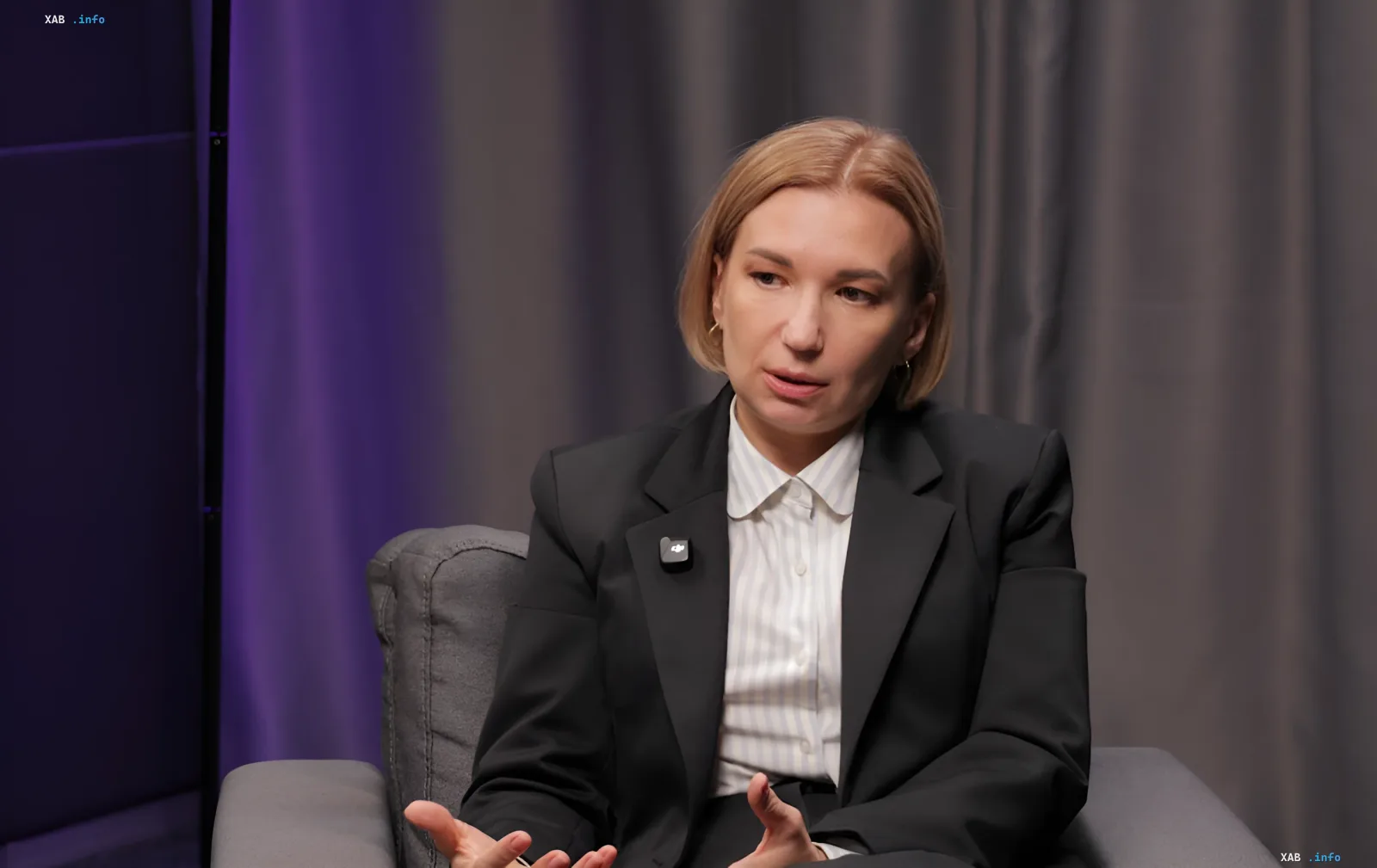
A special bill designed to regulate the conduct of Ukraine's first postwar elections is currently approximately 65% complete. This was stated in an interview with the "Don't Interrupt!" project featuring Vladimir Kurenny by Olga Aivazovska, chair of the board of the Opora civic network. According to her, the bulk of the work was completed before May 2026, but the process has since stalled due to its dependence on the foreign policy and peace tracks. The working group, established by a decree of the Speaker of the Verkhovna Rada, Rouslan Stefanchuk, wound down its active phase in early May, and the document's readiness percentage has not changed since then.
How the working group was formed and who actually worked on the text
The preparation of the legislative framework was initiated as part of implementing the European Commission's recommendations on Ukraine's Eurointegration. A special working group was created by a decree of the parliament's speaker, comprising around 120 participants. However, as Aivazovska emphasized, the main discussion and analytical burden was taken on by a narrow group of roughly 15 specialists, while the remaining participants stayed in a format the expert described as a "video conference with cameras turned off." In her assessment, this imbalance significantly slowed decision-making and reduced the effectiveness of collective work.
Key blocks of the bill: from security to candidate transparency
In preparing the document, several critical areas were worked out. The first is the security risk assessment: developing clear criteria and indicators by which transparent decisions can be made about the impossibility of holding elections in certain territories. The second block concerns voting abroad: for the millions of Ukrainians living overseas, it is proposed to extend the voting procedure over several days and to open polling stations outside diplomatic institutions. The third block is the rights of military personnel: creating guarantees for military candidates to take official leave to submit documents and participate in the election campaign. The fourth is candidate transparency: a provision is being discussed requiring that ballots include information on whether a candidate was under occupation and cooperated with the occupying authorities, so that voters can make an informed decision. The fifth block is information and financial security: mechanisms to counter disinformation, Russian interference, and illegal money flows in election campaigns.
Why work stopped and what Opora says about the independence of the preparation
According to Aivazovska, the working group suspended its active phase in early May 2026, and the bill's readiness percentage has not changed since. The cause was the temporary removal of the elections topic from the international agenda following a pause in peace negotiations. The head of Opora stressed that Ukraine must prepare its own legislation independently, without waiting for external signals or actions by the adversary. The expert pointed to the risk that, if the current logic persists, the country will find itself in a situation where, by the time hostilities cease, the regulatory framework will not be ready.
The logistical challenge: 15 million voters outside their registered address
Beyond drafting the law itself, the state will face a major logistical challenge. According to sociological research, around 50% of Ukrainians — an estimated 15 million voters — currently live at an address different from their official registration. If these citizens en masse begin to change their voting address at the last minute, the State Register of Voters risks experiencing critical overload. In the experts' assessment, this factor could become one of the main technical obstacles to organizing voting amid mass population displacement.
Timelines: a minimum of six months and the president's position
Regarding the timing of the vote after the war, the minimum required interval is six months. As Aivazovska noted, at least half a year must pass between the lifting of the martial law regime and the start of the electoral process — this timeframe is enshrined in a memorandum signed by the leaders of all parliamentary factions and groups. "Half a year is the necessary minimum to prepare the infrastructure, so that we are not trying to run after a burning train," the expert emphasized. Earlier, President Volodymyr Zelenskyy stated that Ukraine could organize elections if a ceasefire lasts several months, and that this period could be used not only to prepare for voting but also for further work toward ending the war. At the same time, the head of state considers holding elections during active hostilities impossible, citing legal restrictions and questions of voter safety, the operation of polling stations, and the electoral process as a whole. Separately, Zelenskyy drew attention to Ukrainians abroad: in his assessment, this is approximately 9 million people. For comparison, before the full-scale invasion, about 500,000 Ukrainians voted abroad during elections, so organizing voting for a many times larger number of citizens will be a separate systemic challenge.