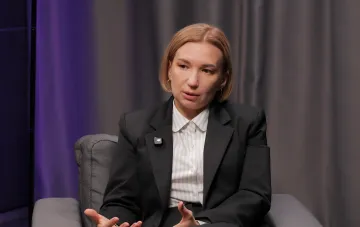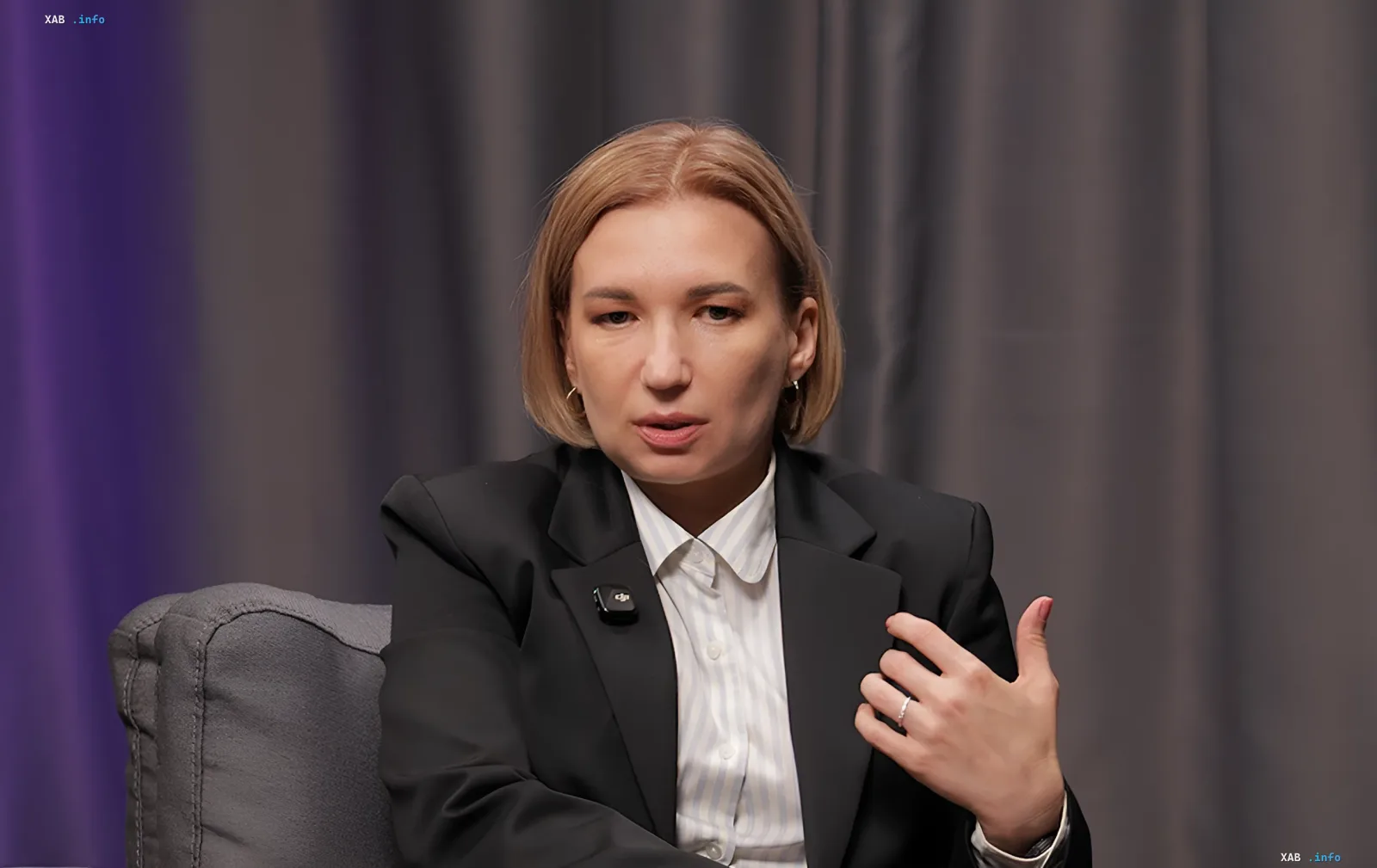
Olympia Ivazovska, head of the board of the civil network “OPORA,” in an interview with RBC-Ukraine for the project “Don’t Interrupt!” with Vladimir Kurenny, categorically rejected the idea of holding pilot or separate local elections in Zakarpattia. In her words, such a step under the current martial law is not only legally impossible but also politically self-destructive for the central authorities. The expert emphasized that an attempt to “surgically” reset power in a single region would instantly lose any electoral context and turn into a hard political confrontation.
A political trap: why a “democratic experiment” will become a crisis
Ivazovska explained that any separate elections in Zakarpattia would be perceived by society and the political establishment not as a democratic experiment but as an attempt by the central authorities to “settle scores with local elites or test the administrative resource.” In a situation where the rest of the country is deprived of the ability to elect local authorities, scheduling a vote in only one region looks like political selectivity. This will inevitably lead to accusations against the presidential office of trying to “redistribute” influence in the region under the guise of security arguments. Such selectivity would also create a dangerous precedent of voter segregation and provoke outrage in other relatively calm rear regions, where citizens would ask why their right to vote is being undermined.
Constitutional ban: a legal wall that cannot be bypassed
Beyond the political subtext, the idea runs into the fundamental norms of the Constitution of Ukraine and the Electoral Code. Under Article 19 of the Law of Ukraine “On the Legal Regime of Martial Law,” the holding of elections for the President, the Verkhovna Rada, and local councils is directly prohibited under martial law. “We cannot switch democracy on or off in pieces in individual regions when a single legal regime of martial law is in force across the country,” Ivazovska emphasizes. “The right to vote must be universal and equal for all citizens, regardless of where exactly they are located.” Thus, even if there were political will to hold a vote in one region, the legal framework does not allow bypassing this ban without amending the legislation, which itself would require a decision by the Verkhovna Rada and, most likely, the President’s consent.
Three practical barriers: registers, competition, and security
The expert identified three key practical obstacles that make holding elections in Zakarpattia unrealistic even if the legal restrictions were hypothetically lifted. First, outdated registers: due to the massive influx of internally displaced persons, the voter lists in the region do not in fact reflect reality, and millions of people would be left outside the electoral process. Zakarpattia remains one of the leaders in the number of registered IDPs, and without a large-scale update of the State Register of Voters, holding a vote based on outdated lists would entail massive violations of citizens’ rights. Second, frozen competition: a full-fledged electoral process is impossible when some potential candidates and party activists are serving in the Armed Forces of Ukraine, and party organizations are operating in a limited mode. Third, the question of security: even the safest region during elections would become target number one for enemy missile strikes, drone attacks, and attempts at destabilization, making the very fact of holding a vote a trigger for escalation.
The alternative: preparing for unified postwar elections
Ivazovska concluded that instead of dangerous regional experiments, the authorities should focus on preparing a unified legal framework for the first nationwide postwar elections. In her view, it is precisely systematic work on electoral legislation, updating the registers, and creating conditions for safe voting across the entire territory of the country that is the priority, rather than targeted “pilots” that carry more risk than benefit. Earlier, as RBC-Ukraine reported, President Volodymyr Zelenskyy named the condition for holding elections in the country and explained why he is negative about this idea under current realities, pointing to the potential consequences for the entire state.