Passengers of Ukrzaliznytsia are increasingly encountering situations in which, upon the declaration of a "yellow" air raid alert level, a train either does not depart or is stopped en route. In response to numerous questions on social media, the press service of Ukrzaliznytsia JSC provided a detailed explanation of how exactly railway transport operates under different threat levels and why the formal status of an alert is not the sole factor determining whether a train moves.
"Yellow" Level: A Train May Run, but Is Not Obligated To
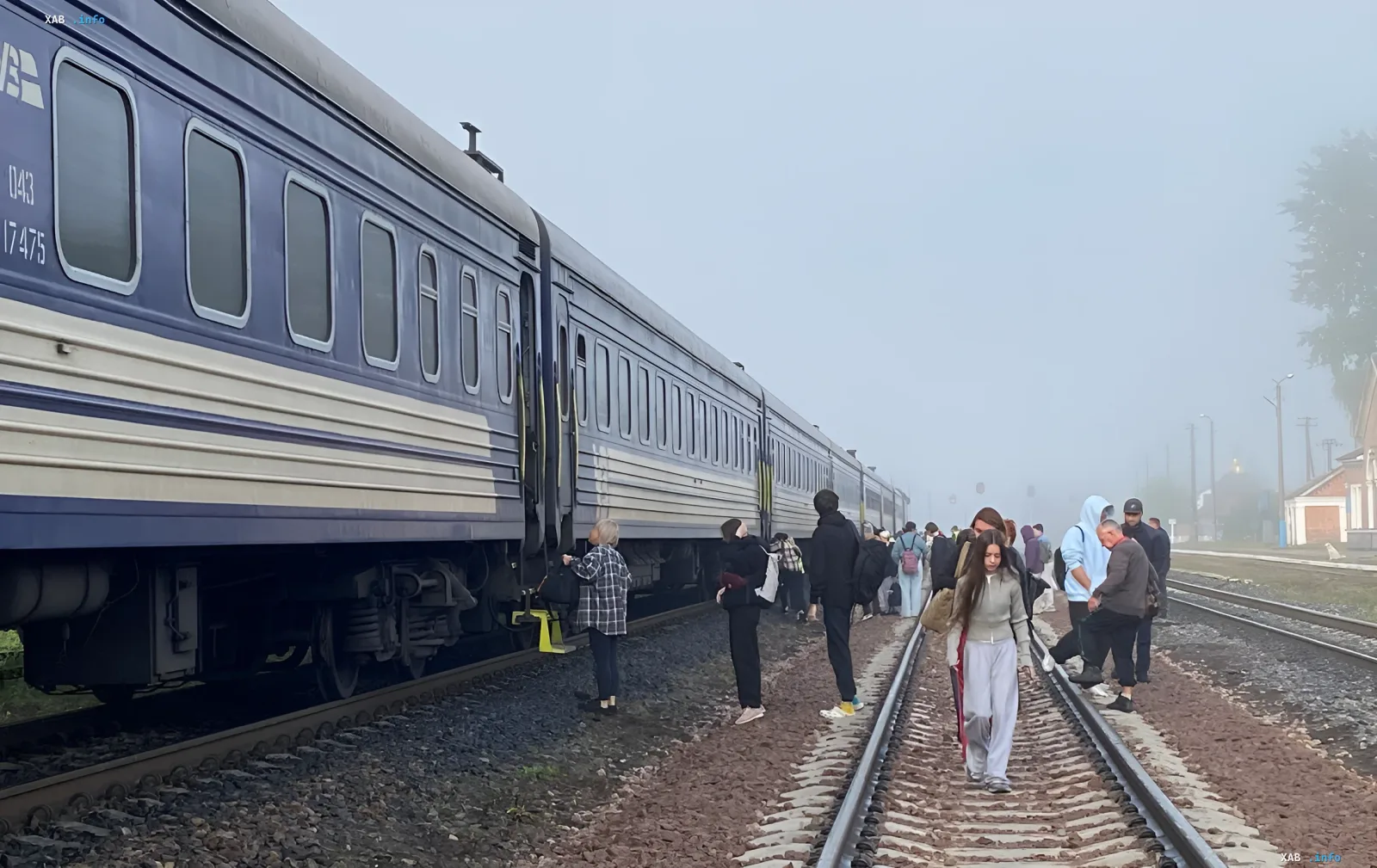
In response to a user's comment on Threads, who noted that "on a yellow alert signal, children are taught to take shelter, and the train should run but it doesn't," Ukrzaliznytsia reminded that the "yellow" level means that train movement and passenger boarding/alighting may continue. At the same time, the company explicitly emphasized that this does not mean an automatic right for every train to move under any circumstances. Special monitoring groups of Ukrzaliznytsia track the security situation, and if they detect an immediate threat to a specific train, the decision on its movement, stopping, or relocating people to a safe place is made separately — taking the operational situation into account.
Cabinet of Ministers Approved New Rules for Railway Operations Under Air Threat
On September 18, 2026, the press service of Ukrzaliznytsia reported that the Cabinet of Ministers of Ukraine approved updated rules for the operation of railway transport when a "yellow" or "red" level of threat from aerial attack means is established. The document takes effect for the duration of the martial law and defines a clear algorithm of actions for passengers, railway workers, and station management. At the "yellow" level, trains may in general continue to operate, and passengers are entitled to remain at stations and platforms at their own discretion, provided the operational situation and monitoring groups do not issue a direct order to evacuate.
"Red" Level: Boarding Stops, Everyone to Shelters
Upon the declaration of a "red" threat level, the rules become strict: passenger boarding and alighting are completely halted. All passengers, railway workers, and other visitors to stations are required to move to the nearest shelters. At stations and platforms equipped with underground crossings to the tracks, boarding and alighting at the "yellow" level may be carried out precisely via these crossings, which reduces the risks for people in open areas.
The Main Principle: A Specific Target Is More Important Than the General Alert Level
Ukrzaliznytsia emphasizes that the movement of trains already en route is not automatically halted at any alert level. The decision for each train is made individually based on information provided by the monitoring groups. The company will also disperse passenger flows and rolling stock to prevent their accumulation in one place. If necessary, the movement of individual trains may be restricted or temporarily suspended. "The main principle is simple: the threat level does not cancel the response to a specific aerial target," the company stated, adding that passenger safety always remains the top priority.
What This Means for Passengers in Practice
For travelers, the key takeaway is that the formal alert level is only a starting point, not a guarantee of unimpeded movement. A train may fail to depart or be stopped even at a "yellow" signal if a monitoring group has detected an immediate danger. At the same time, at the "red" level, any passenger movement on the platform ceases, and the only correct action is to follow the staff's instructions and move to shelters. The new rules are in effect throughout the period of martial law, and Ukrzaliznytsia urges passengers to be prepared for operational changes to the schedule and to follow on-site instructions.