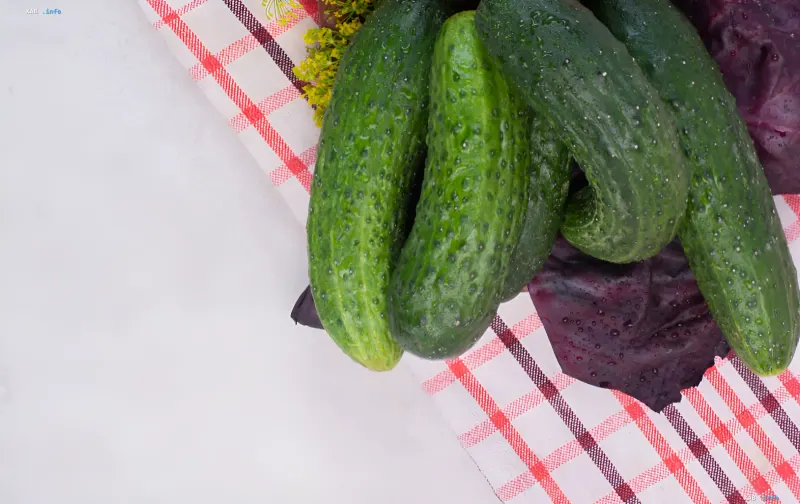
In the context of a changing climate and extreme weather conditions in 2026, gardeners around the world are facing new challenges. One of the most common problems remains the appearance of bitterness in cucumber fruits, which makes them unfit for consumption. This issue affects both novice gardeners and experienced farmers, requiring a deep understanding of biological and agronomic factors.
Biochemistry of bitterness: the role of cucurbitacin
Bitterness in cucumbers is caused by the presence of cucurbitacin — a natural substance that plants produce as a defense mechanism. Under normal conditions, its concentration is minimal and does not affect the taste of the fruit. However, under stress caused by adverse environmental factors, the production of cucurbitacin increases sharply. This is particularly relevant in conditions of heat, drought, or sharp temperature fluctuations, characteristic of the summer of 2026.
Key stress factors for plants
One of the main causes of bitterness is irregular watering. When the soil dries out and then the plant receives abundant moisture, this causes stress that triggers the accumulation of cucurbitacin. In hot weather, it is important to maintain moderate soil moisture, using warm water and watering at the root. Mulching is also recommended, which helps retain moisture and lowers soil temperature.
Influence of temperature and lighting
Cucumbers love light, but intense heat can negatively affect their taste. During periods of prolonged high temperatures, plants should be partially shaded during the hottest hours. Sharp temperature fluctuations, cold nights after hot days, and strong winds can also be stressful for cucumbers. In greenhouses, it is important to monitor the temperature and ventilate the room when the air gets too hot.
Soil nutrition and genetic characteristics
Poor soil can affect plant development, but an excess of fertilizers does not always improve the taste of the fruit. Top dressing should be carried out moderately and in accordance with the needs of the plant. Sometimes, despite proper care, cucumbers still taste bitter due to the genetic characteristics of the variety. In such cases, it is recommended to choose varieties or hybrids with genetically reduced cucurbitacin formation.
Contradictory data
There are differences of opinion regarding how effectively bitterness can be removed from already formed fruits. Some sources claim that peeling the skin and removing the end of the cucumber can partially improve the taste, as cucurbitacin often accumulates in these parts. Other experts point out that it is impossible to completely remove the bitterness, and it is better to focus on preventing stress in plants.
Practical recommendations for gardeners
To prevent bitterness in future harvests, it is important not to allow the soil to dry out too much, protect plants from extreme heat and sharp temperature fluctuations. Regular harvesting of cucumbers also helps the plant continue to form new fruits. These simple measures can significantly improve the quality of the harvest and make cucumbers tastier and safer to eat.