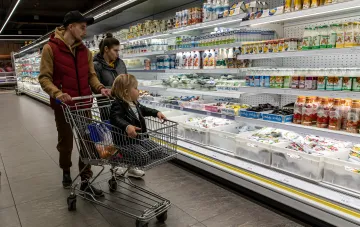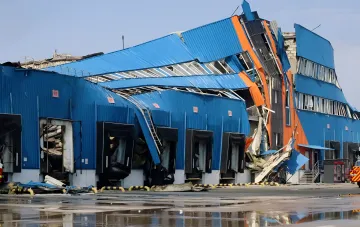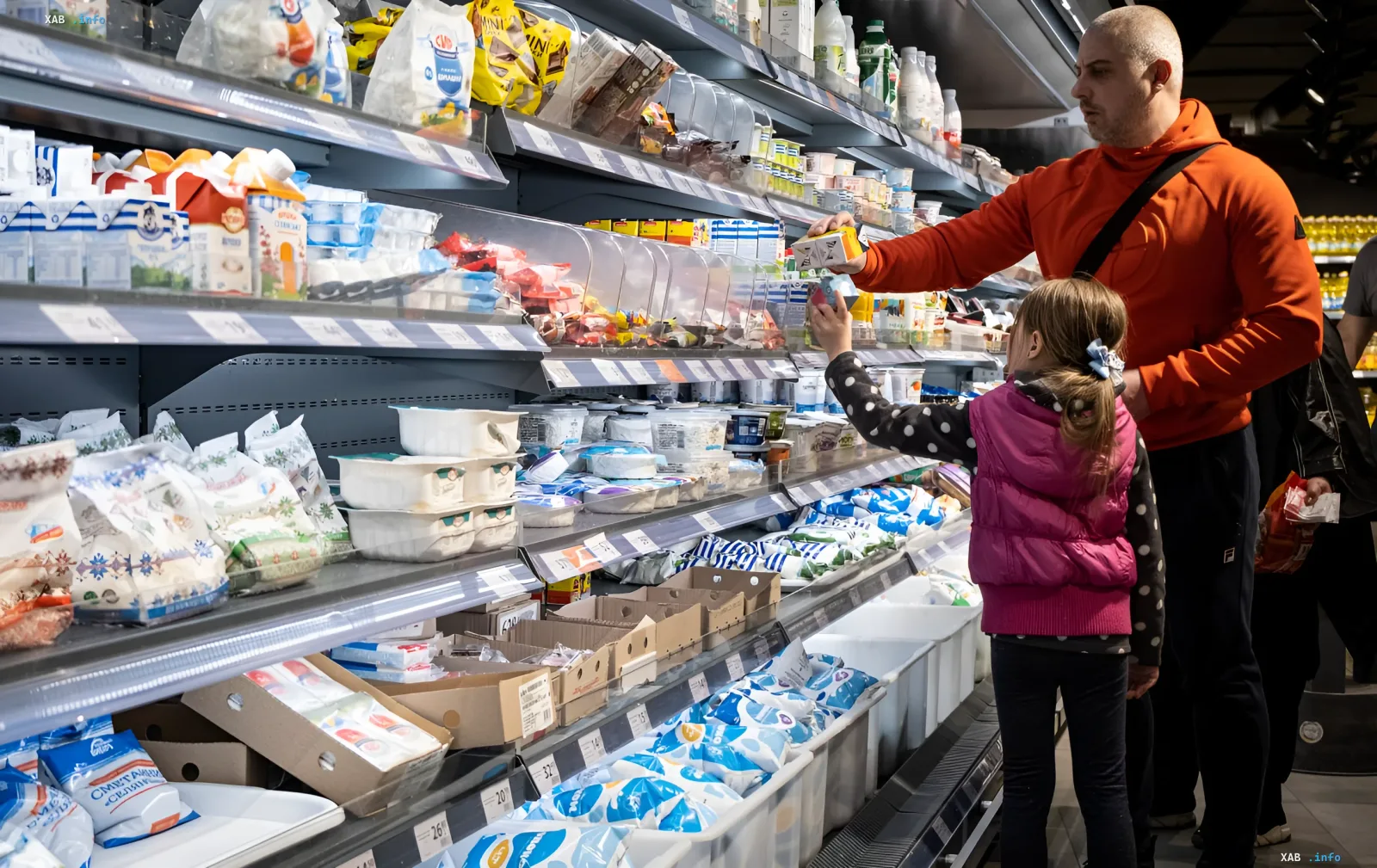
Recent strikes on major distribution centers have intensified pressure on Ukrainian retail and forced the industry to overhaul its entire logistics. Instead of single large hubs, chains are having to shift to a model of smaller warehouses, which objectively raises the cost of every operation. According to UTG estimates, the cost of delivering chilled goods could rise by 35–50%, which ultimately adds 7–12% to the retail price depending on the category, region, and specific retailer. In other words, the price increase is not driven by a shortage of goods on the shelf, but by a broken "cold chain" and rising logistics costs.
The Scale of the Damage: What Has Been Destroyed
The volume of logistics infrastructure lost is, by expert estimates, comparable to tens of thousands of square meters. According to Alexandra Bondarenko, CEO of the Bureau of Investment Programs and founder of GreenInvest, around 80,000–100,000 sq. m of cold storage has been destroyed in the Kyiv region. Dragon Capital estimates the total volume of Class A warehouse real estate knocked out across the country at roughly 500,000 sq. m — almost 30% of such space. Meanwhile, available space in older-format facilities (Classes B and C) covers only 20–30% of the lost cold capacity, and transporting perishable goods 300–400 km from other regions is economically unviable.
Who Was Hit Hardest: Fresh and Frozen
Two groups of goods were hit hardest by the destruction of logistics infrastructure. The first is fresh: fresh and perishable products that require constant temperature control. The second is frozen: deep-frozen goods that must be stored at −18 °C or below. For these categories, a break in the cold chain means not just higher prices but the risk of spoilage and write-offs, which is why retailers are forced to restructure their routes and stock levels.
Decentralization as Retail's Response
To reduce the risk of supply disruptions and local shortages, retail is moving to a decentralized model: instead of one large hub, a chain uses several smaller facilities. Such a setup requires more operations, equipment, and staff, directly increasing costs. Experts also note that direct store delivery (DSD) from the manufacturer can multiply transport expenses by 2–3 times and raise the risk of write-offs, further squeezing margins.
The Math Behind the Price Hike
According to UTG, the cost of delivering chilled goods could rise by 35–50%, adding 7–12% to the retail price of such goods due to extra logistics costs. For comparison, prices on dry goods could rise by 3–5%. An additional factor pressuring costs has been the price increase in fuel — fuel prices in July 2026 rose by 28% compared to the previous year. A labor shortage also plays a role and, according to the Center for Economic Strategy, will persist due to migration and mobilization.
What This Means for the Consumer
Retailers are forced to strike a balance between target profitability and consumers' purchasing power, yet the costs of maintaining the cold chain will ultimately be reflected in the price of the everyday shopping basket. Chilled and frozen products are a staple of the diet, so even a moderate 7–12% price increase is felt more acutely by households than price rises on dry goods. Thus, the blow to "food chains" is turning into a structural inflation factor that will persist until the logistics infrastructure is restored.