Jeff Bezos's Blue Origin has taken a significant step toward ensuring a long-term human presence on Earth's satellite by unveiling a specialized solar power plant project. The new development aims to solve one of the major challenges of space missions: a stable and reliable energy supply for the future lunar base, which will serve as a stepping stone for further scientific discoveries.
Design and Technical Specifications
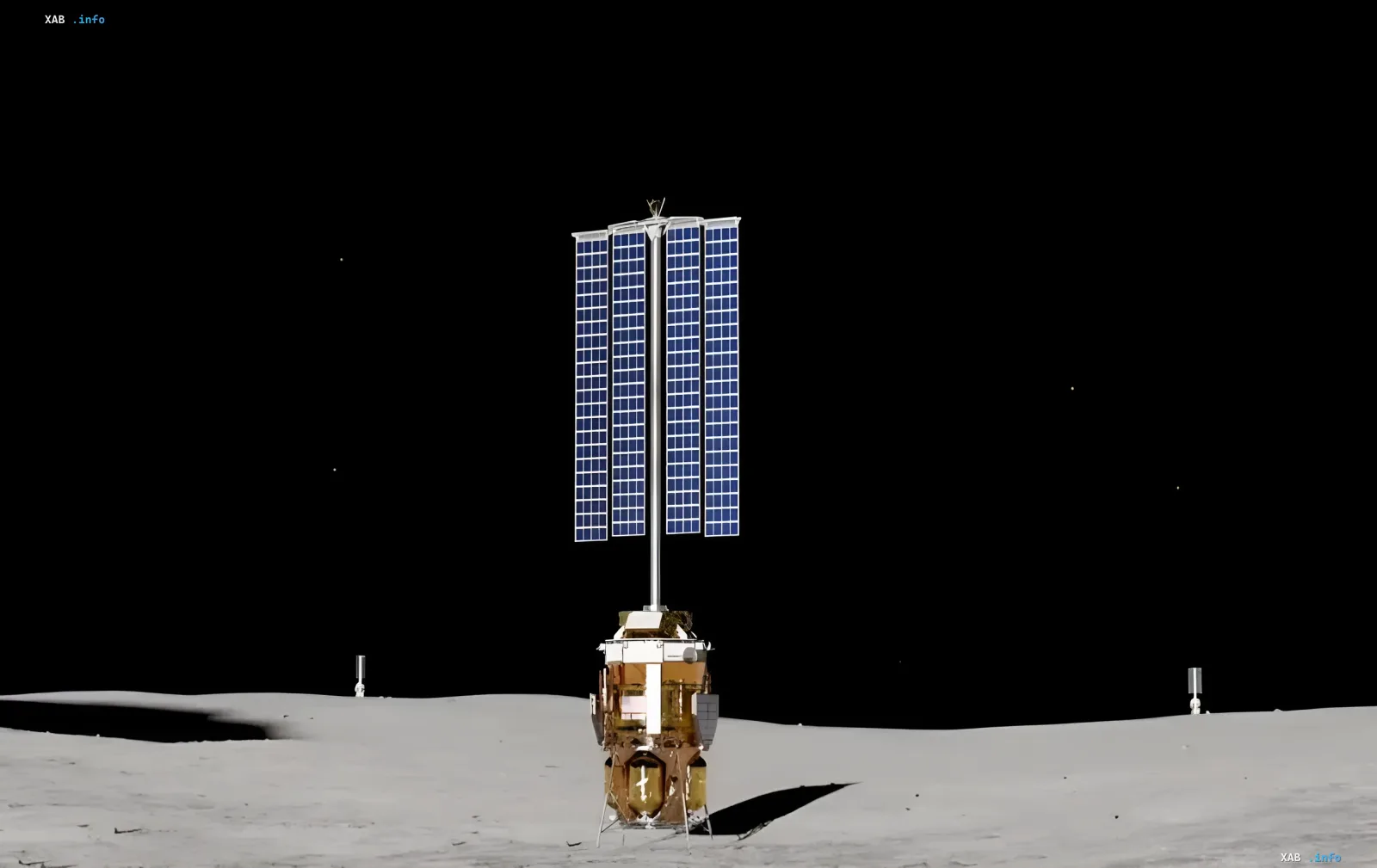
The presented system is named Power Tower and is a vertically deployed 20-meter mast with foldable solar panel sections. The installation is capable of generating over 10 kW of electricity, which is sufficient to support life-support systems of the lunar base, communication networks, and autonomous equipment charging. The modular architecture of the station allows energy transmission beyond the landing module.
Testing and Project Background
The development of the Power Tower builds on fundamental research and the LAMPS (Lunar Array Mast and Power System) developed by Honeybee Robotics, a subsidiary successfully tested at NASA's Johnson Space Center back in 2024. Blue Origin has already demonstrated animation materials showing the landing and deployment process on the lunar surface, as well as footage of real ground tests conducted on July 22, 2026.
Integration into the Artemis Program and Prospects
This project is implemented as part of NASA's large-scale Vertical Solar Array Technology (VSAT) initiative aimed at creating autonomous power sources for a permanent human presence on the Moon. The deployment of the solar tower is planned for the South Pole of the Moon under the Artemis program. The first phase of lunar base construction will last until 2029, with a full launch scheduled for 2032.