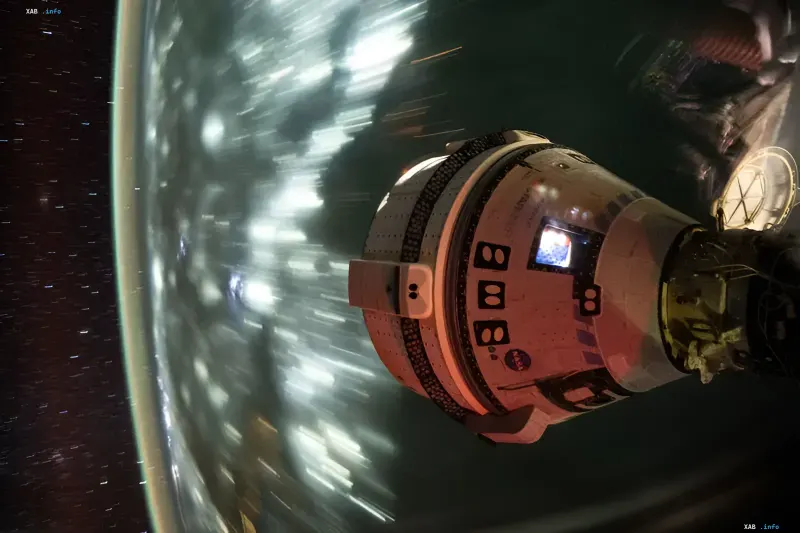
Boeing's CST-100 Starliner spacecraft is officially returning to the crewed and cargo flight program following a massive crisis. At a joint NASA and Boeing briefing, officials announced the continuation of flight tests and system upgrades. Notably, the spacecraft gained widespread notoriety due to the nine-month stranded ordeal of astronauts Butch Wilmore and Suni Williams aboard the International Space Station in 2024, caused by technical malfunctions. Despite serious reliability issues, space agency leadership decided to revive the project, conduct deep modernization, and even certify the spacecraft for a new launch vehicle.
First Steps Toward Resuming Flights
The first milestone in returning Starliner to service will be the uncrewed Starliner-1 mission, scheduled for launch in December 2026 or January 2027. During this test flight, the spacecraft is tasked with delivering cargo to the ISS and confirming the effectiveness of all implemented engineering changes. Engineers are focusing heavily on upgrading the service module's propulsion system, thoroughly verifying thermal regimes, and gathering telemetry data critical for the final system certification before crewed launches resume.
Technical Upgrades and Eliminating Critical Vulnerabilities
Deep modernization of the spacecraft is a direct result of investigations into reaction control system thruster issues observed during the Crew Flight Test with Wilmore and Williams. NASA's analysis showed that thrusters operated outside initially set engineering parameters due to a combination of design characteristics and thermal effects. Boeing engineers have redesigned the problematic service module components and created a new valve design to eliminate the risk of seal deformation and propulsion degradation, specifically the helium leaks that plagued previous flights.
Rocket Launchers Future and Strategic Context
Following the successful completion of the Starliner-1 mission, additional upgrades are planned, including battery updates and minor adjustments to the parachute system, with the first crewed Starliner-2 flight targeted for around 2028. Furthermore, NASA is assisting Boeing with the certification of United Launch Alliance's new Vulcan rocket, as remaining Russian RD-180 engines for Atlas V are dwindling and no more will be produced. Maintaining two independent American crew transportation systems remains a key priority for NASA as SpaceX shifts its primary focus.