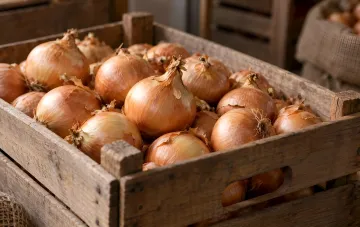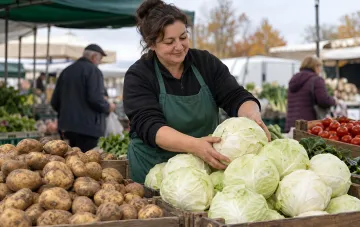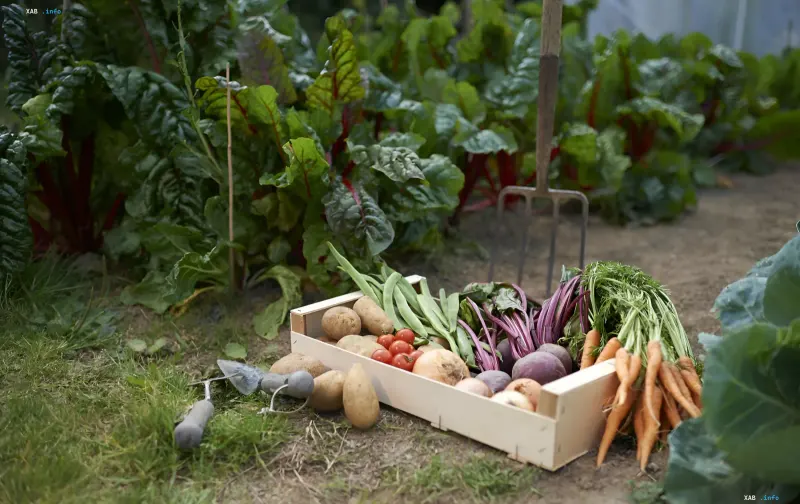
In October 2026, divergent price trends were recorded on the Ukrainian market for vegetables of the so-called borscht set. Despite the seasonal arrival of the new harvest, certain crops noticeably increased in price while others became cheaper. According to RBC-Ukraine, compared to September, cabbage rose in price by 10.6% and beets by 14.4%, whereas carrots fell in price by 10.3%, and the cost of onions remained virtually unchanged. Thus, the new harvest has not yet yielded the expected uniform decrease in the cost of basic vegetables.
Why Prices Are Moving in Opposite Directions
Maxim Hopka, head of the analytical department at UCAB, explained in a commentary to the publication that the vegetable market situation remains heterogeneous even with the new harvest available. According to him, current dynamics are driven by more than just seasonality: prices are influenced by the actual supply of individual crops, harvesting quality, storage capabilities, and producers' behavior. It is the combination of these factors that shapes a distinct trajectory for each item in the borscht set — ranging from growth in cabbage and beets to a decline in carrots.
Transition to Stored Vegetables
An important factor in the second half of the year will be the transition from selling freshly harvested produce to realizing vegetables from storage facilities. This process traditionally increases producers' costs. Furthermore, under unstable energy supplies, the impact of this factor on production costs may intensify, further supporting prices for certain crops and limiting room for a decline.
Forecast Until the End of 2026
According to Maxim Hopka's forecast, a significant general cheapening of the entire borscht set is not expected before the end of 2026. He calls the gradual stabilization of individual vegetables and the continued moderate appreciation of those crops whose supply of quality long-term storage produce remains limited the most likely scenario. Until the end of the year, the market will likely retain a heterogeneous picture: some positions will stabilize, while others will continue to rise in price.
Summary: Despite the influx of the new harvest, Ukraine's borscht set market in the second half of 2026 is moving in diverse directions without a single downward trend. The key price drivers will be the transition to stored vegetables and the state of energy supplies, meaning buyers should expect stabilization across most positions and targeted price increases for specific crops.