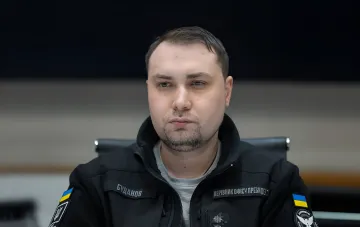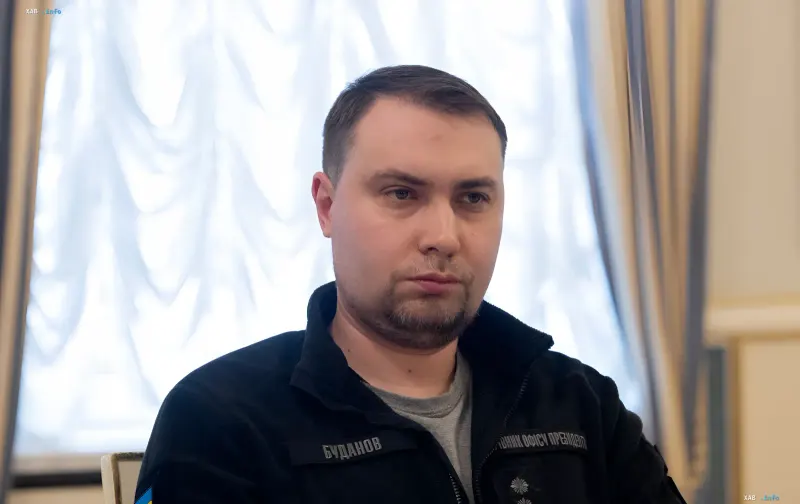
Kyrylo Budanov, Head of the Ukrainian President's Office, outlined in an interview with The New York Times the possible timeline for resuming the negotiation process on settling the conflict unleashed by Russia against Ukraine. According to him, a new round of consultations could begin in late September 2026. At the same time, he emphasized that the real conditions for a ceasefire will likely take shape considerably later — no earlier than spring. Thus, Kyiv is building into its diplomatic strategy a gap between the formal resumption of dialogue and the parties' actual readiness to lock in agreements on the battlefield.
Negotiations may start in late September
As reported by RBC-Ukraine, Budanov linked the resumption of negotiations to a number of political events in two key countries. In his assessment, a new round of consultations is expected after the parliamentary elections in Russia and several weeks before the mid-term elections in the United States. This anchoring to electoral cycles indicates that, in the view of the Head of the President's Office, it is precisely a shift in the domestic political context in Moscow and Washington that could create a window of opportunity for a diplomatic breakthrough.
Visit by Witkoff and Kushner as a possible trigger
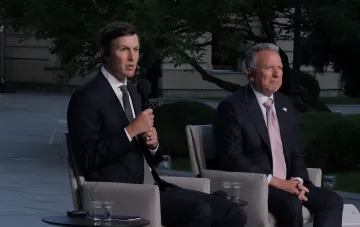
According to Budanov, the start of a new round of consultations could be a visit to Kyiv by U.S. representatives Steve Witkoff and Jared Kushner. Their presence in the Ukrainian capital is seen as a signal of Washington's readiness to re-activate its mediating role. Budanov also underscored the pragmatic nature of Kyiv's negotiating position: "Sooner or later, negotiations will lead to something. You can't fight for your whole life." This wording reflects the understanding that the diplomatic track, even amid ongoing hostilities, remains a necessary tool.
Fourth winter campaign of strikes on infrastructure
In parallel with his diplomatic forecasts, Budanov warned of a military threat. He stated that Russia will likely attempt to strike Ukrainian infrastructure as part of a new massive winter campaign of shelling, which will be the fourth since the start of the full-scale invasion. This warning reinforces the thesis that even on the eve of possible negotiations, Moscow does not intend to ease military pressure, using it as a lever to influence the negotiating dynamics.
Moscow's position: statements by Putin and Nebenzia
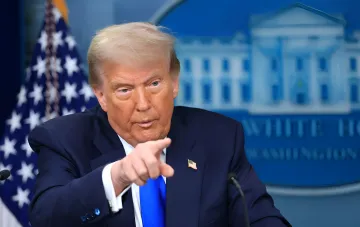
Against the backdrop of Budanov's remarks, it is important to consider the Russian side's position as well. The day before, the Russian leader stated that Russia and Ukraine themselves should negotiate an end to the war, while other states merely provide assistance. He also claimed that Moscow allegedly avoids strikes on Ukrainian authorities because it needs negotiators who will not put Russia "on its knees." In addition, Russia's representative to the UN, Vasiliy Nebenzia, stated that the Kremlin is ready to continue the war if Ukraine does not recognize the occupied territories and does not agree to Moscow's demands. These statements highlight just how far apart the parties' starting positions are ahead of a possible resumption of dialogue.
Context: previously discussed terms of a truce
For a complete picture, it is important to take into account the preceding dynamics. Earlier in 2026, Budanov had already discussed the conditions under which the truce declared in May could be extended, including beyond May 9, provided there is a mutual cessation of hostilities. This shows that the issue of locking in a pause in combat and its conditions remains a constant part of Kyiv's public rhetoric, and the September negotiations, as envisioned by the Ukrainian side, are meant to be a logical continuation of this line — but against the backdrop of more mature conditions, which, as Budanov himself acknowledges, will only take shape by spring.