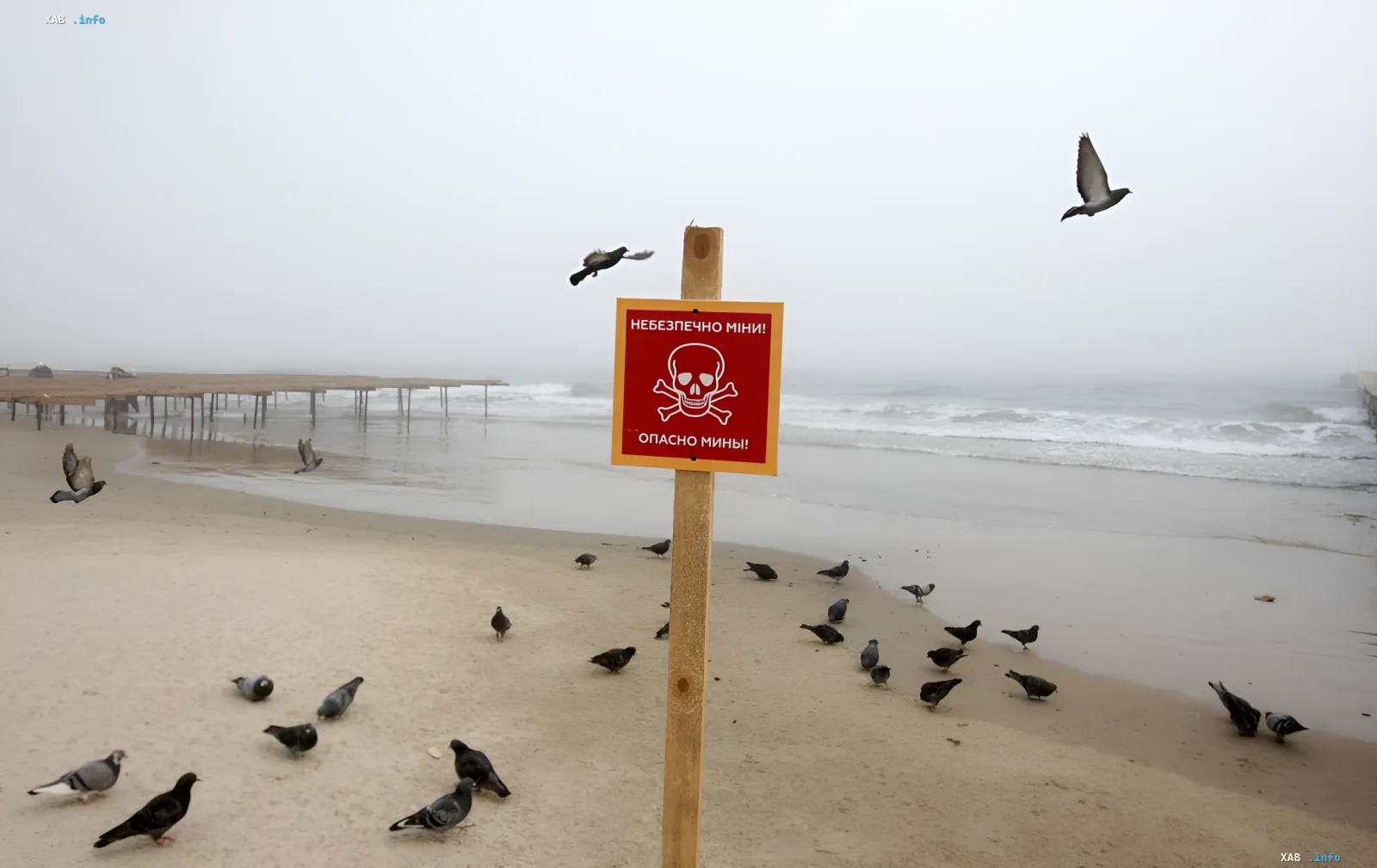
Against the backdrop of the ongoing threat of floating mines in the Black Sea, the Bulgarian parliament has approved an agreement to acquire seven vessels for mine searching and neutralization. The ships will be transferred to Sofia under agreements with the Netherlands and Belgium and are intended to strengthen NATO's ability to clear the region's shipping lanes of minefields. The decision cements Bulgaria's course toward expanding its countermine capabilities within the alliance and integrates the country into a joint operational group working on the eastern flank.
Deal details: three vessels from the Netherlands and four under an intergovernmental agreement
Under the agreement with the Netherlands, which parliament approved on Wednesday, Bulgaria will receive three vessels equipped for searching and destroying mines and similar objects. A separate transfer agreement between Belgium, the Netherlands, and Bulgaria covers four additional ships. The Netherlands has committed to restoring the technical capabilities and raising the operational readiness of the three vessels before the transfer of ownership, while Sofia will reimburse the costs of repairing and restoring all seven vessels to NATO combat-readiness standards. The memorandum of understanding also covers crew training, the supply of spare parts, and additional equipment.
Expansion of the joint operational group: Romania, Bulgaria, Turkey
Together with Romania and Turkey, Bulgaria agreed at the NATO summit in July to expand the joint operational group for clearing the Black Sea of floating mines, adding the protection of critical infrastructure to its tasks. These three alliance countries, which have access to the Black Sea near Georgia, Russia, and Ukraine, established the minesweeping group back in 2024 — in response to the floating mine threat following Russia's full-scale invasion of Ukraine in 2022. Bulgarian Defense Minister Dimitar Stoyanov stated that the minesweepers are "especially needed" because the country already has three similar vessels, and the new seven will "complement and further strengthen" its capabilities. According to him, the work on clearing the maritime areas of the three countries continues in excellent coordination.
Context: from mine threat to expanded presence
RBC-Ukraine previously reported on the expansion of the Black Sea minesweeping deal: as early as last summer, the three NATO countries announced their intention to increase their presence in the sea, and the Romanian Defense Minister announced the expansion of the joint operational group. Ukraine also proposed that Bulgaria join this initiative, whose main goal is to ensure unimpeded navigation in the region. According to reports on the operation's progress, six mines were destroyed in the first days of the minesweeping work.
Significance for regional security
The acquisition of seven minesweepers strengthens NATO's countermine perimeter on the eastern flank and is directly linked to the task of ensuring the navigability of Black Sea routes, which are critical for trade and logistics. For Bulgaria, this is not only a modernization of its own fleet but also a deepening of its integration into the alliance's joint operations. In a situation where the mine threat persists, the expansion of the grouping and the training of crews become a factor of deterrence and a guarantee of stable navigation in the Black Sea.