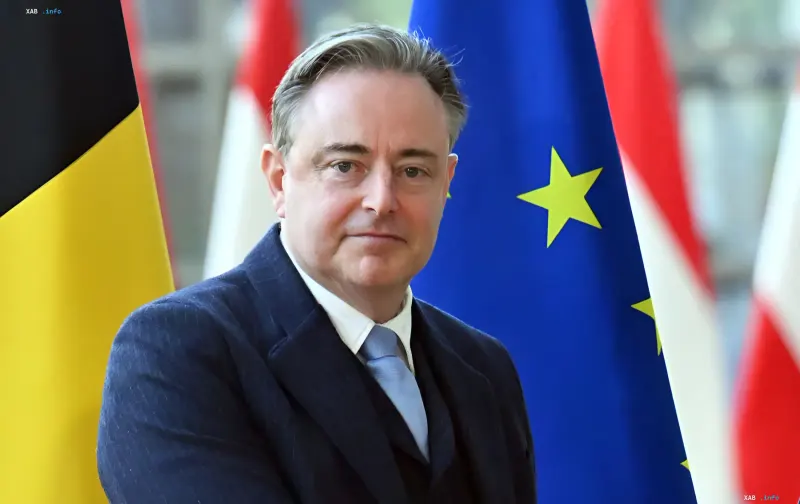
Belgian Prime Minister Bart de Wever, presenting a report to MPs on the past week's EU summit, stated that the European Commission has no intention of putting forward new initiatives to use frozen Russian assets to cover Ukraine's financial needs. "I am confident of this because that is precisely what was said," emphasized the head of the Belgian government, as quoted by The Brussels Times following his speech in parliament. In his assessment, Brussels has finally closed the door on new steps regarding funds held in the Belgian depository Euroclear.
185 Billion Euros Under Lock and the Ukrainian Budget Deficit
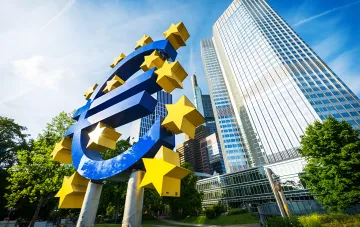
At issue are approximately 185 billion euros frozen in the infrastructure of Euroclear, Europe's largest clearing house registered in Belgium. Last year, EU leaders agreed on a 90 billion euro loan for Kyiv for the current and subsequent years; however, estimates suggest this amount is not enough to cover all needs. At last week's summit, President Volodymyr Zelenskyy asked European partners to allocate another 70 billion euros for the next year. It is this deficit that makes the topic of frozen assets particularly sensitive: for Ukraine, it is a potential source of funding, while for Belgium, it is a matter of sovereignty over the financial infrastructure located on its territory.
"Went Through with a Flamethrower": Reaction to Dutch PM's Statements
De Wever did not rule out that individual EU countries might bring up the asset issue again outside the formal agenda of the European Commission. Specifically, he criticized statements by Dutch Prime Minister Rob Jetten, who expressed a desire to "take this money" during a radio broadcast. According to the Belgian prime minister, some new European leaders who did not participate in last year's discussion are repeating arguments that were rejected at the time. De Wever warned colleagues that even public statements of this kind could have legal consequences for the country where the funds are held. "A colleague told me in the corridor that it was as if I had gone through this discussion with a flamethrower," he recounted, adding that there is now little enthusiasm around the negotiation table to pursue the topic.
The American Option and Ukrainian Diplomacy
The topic of Russian assets remains prominent on the international agenda. According to the Financial Times, Washington proposed that European partners unfreeze a portion of the funds and transfer them under American control to revive peace talks. European delegates rejected this proposal. At the same time, the Ukrainian side is stepping up diplomatic pressure: Foreign Minister Andrii Sybiha publicly proposed funding Ukraine's defense and infrastructure reconstruction precisely from the assets frozen in Euroclear. Due to a shortage of funds in the state budget, Ukrainian diplomats have intensified negotiations with EU institutions.
The Belgian Vetoe and Attempts to Bypass It
Belgium's position remains the most categorical. Even before the prime minister's speech, Defense Minister Theo Francken described the country's stance as "categorically negative" regarding the use of assets. Nevertheless, an alternative approach is forming within the EU: four member states have urged Brussels to look for a mechanism allowing them to bypass the Belgian veto. Proposals have been voiced in the Parliamentary Assembly of the Council of Europe (PACE) to transfer funds to Ukraine based on rulings by the European Court of Human Rights. Thus, although a formal European Commission initiative is ruled out, according to de Wever, political pressure on Belgium from several European capitals persists.