The era of asymmetric losses: why bombers are becoming targets for FPV drones
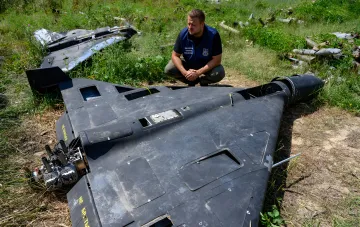
In the conditions of the modern war in Ukraine, where technology is developing at an incredible speed, a paradoxical situation is observed: expensive and complex equipment is becoming easy prey for cheap means of destruction. As Lyuba Shipovich, head of the Dignitas Foundation, noted in a comment to RBC-Ukraine, Ukrainian heavy bombers, despite their high cost, regularly become victims of FPV drones. The main reason for vulnerability lies in the physical nature of these machines — their sluggishness and clumsiness make them ideal targets for more maneuverable and fast FPV drones.
The economic asymmetry in this confrontation is staggering. One heavy bomber can cost around $20,000, while an FPV drone capable of damaging or completely destroying it costs the enemy only $300. This means that expensive equipment is effectively being knocked out by cheap means, creating a serious burden on logistics and the budgets of the armed forces. Cases of damage to such machines are becoming more frequent, forcing the military to seek immediate solutions.
The impossibility of abandoning 'heavy artillery' logistics
Despite the obvious risks, it is impossible to abandon the use of heavy bombers. These machines remain indispensable for performing critical tasks at the front, especially when ground logistics are paralyzed. Bombers are used to deliver water, food, and ammunition to heavy positions that are inaccessible by land due to minefields or intense shelling.
It is precisely this indispensability that led the military to turn to the Dignitas Foundation with a direct request to protect such drones. The foundation's team, together with colleagues from the company Aura, took on this task. This is not just about modernization, but about creating fundamentally new protection systems that will allow equipment to be preserved without compromising its functionality.
Technical challenge: EW that does not jam 'friends'
Installing an electronic warfare (EW) system on a heavy bomber is a non-trivial engineering task. As Lyuba Shipovich explains, the 'turn it on and go' principle applicable to cars will not work here. The fact is that the drone itself needs constant communication with the operator for control and video stream transmission. An EW system designed to jam enemy FPVs risks 'suffocating' its own control channel, paralyzing the machine.
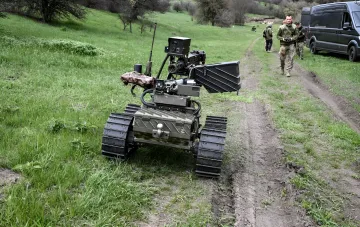
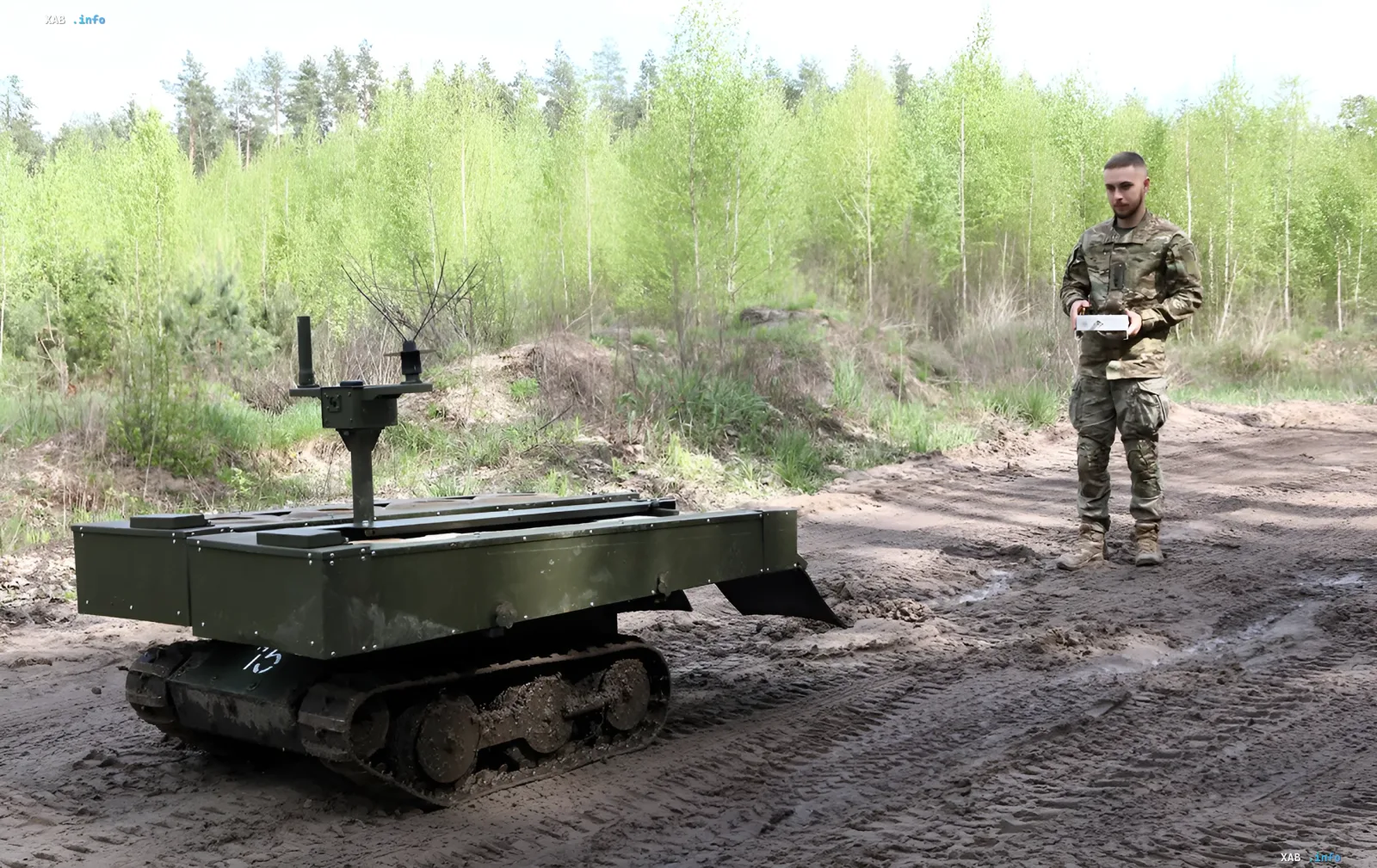
This problem also concerns ground robotic complexes (GRCs), which are used to evacuate wounded soldiers. Such robots are subject to constant attacks and need protection that does not cut off the communication channel. The Dignitas and Aura teams are currently testing new EW systems with experts at ranges. Several samples have already been handed over to units for field trials. The final solution is expected to be ready in about two months.
Personnel shortage in the EW sector and the future of technology
In addition to technical difficulties, there is a personnel issue. Lyuba Shipovich pointed out that the EW direction is less popular among young people compared to drone operation, although it is no less important. Working in this field requires basic knowledge of radio physics and radio electronics, which creates a barrier to entry. The head of Dignitas called for more attention to be paid to popularizing this specialty at the BZVP (Basic School of Volunteer Soldiers) courses to ensure the army has qualified specialists.
It was previously reported that Ukrainian military personnel would receive more than 22,000 new ground robotic complexes — almost twice as many as in the entire previous year, and all of them will be of Ukrainian production. In the context of such large-scale deployment of robotics, the question of their protection becomes a matter of survival for both the equipment and the people who operate it.