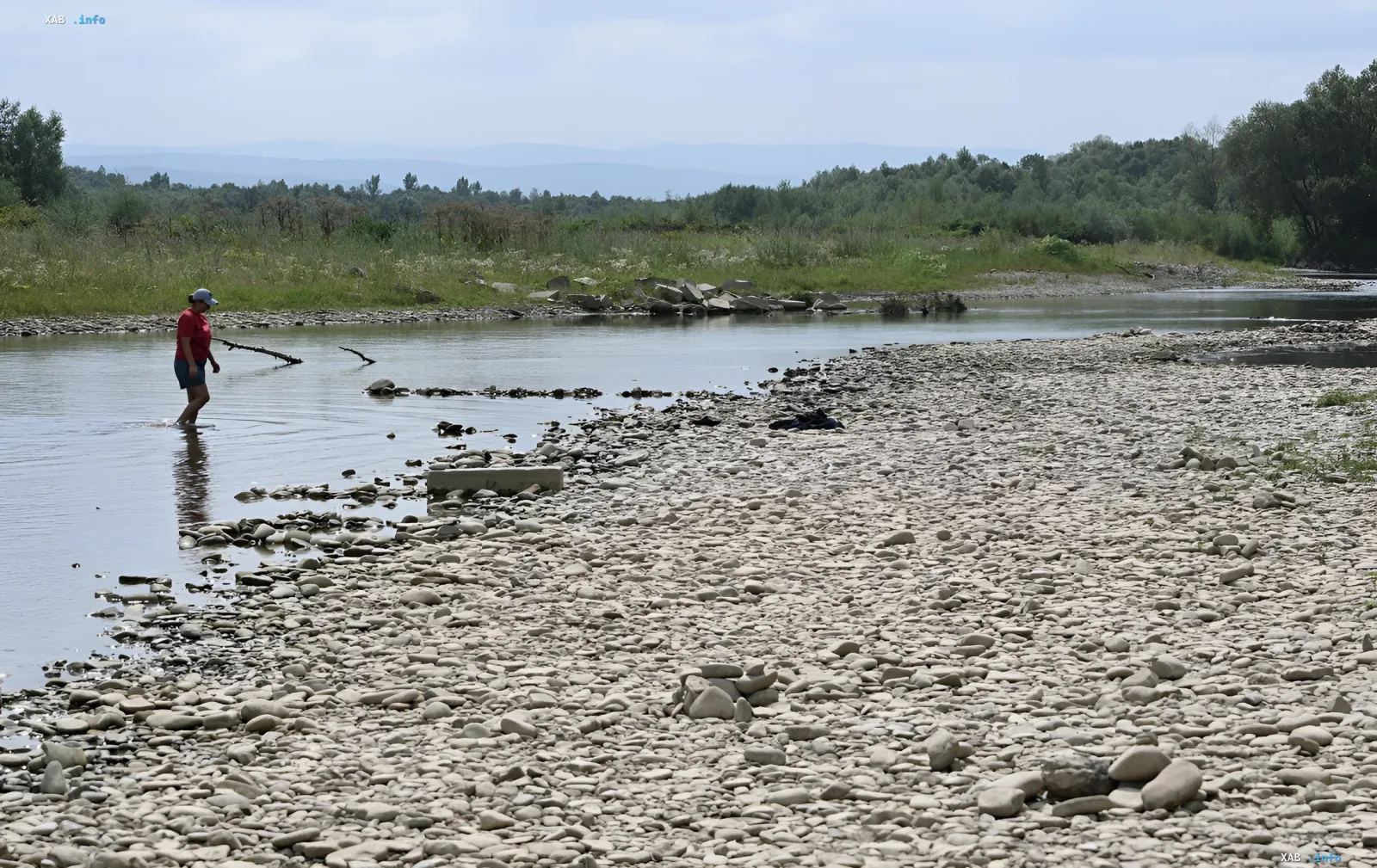
The Dniester River basin has faced an unprecedented environmental and hydrological crisis, hitting a historical minimum for all decades of observation. According to official data from the State Water Resources Agency of Ukraine released in October 2026, the low-water situation in the region continues to deteriorate rapidly due to prolonged lack of precipitation and climatic anomalies recorded since the beginning of June of this year.
Causes and Chronology of the Critical Shallowing
Large-scale problems began mounting as early as late spring. According to the agency, starting April 30, the average daily inflow of water into the Dniester Reservoir steadily dropped below the volume of necessary discharges. The situation reached a critical point in mid-September 2026, when absolute daily minimums for the entire history of the hydraulic structure, operating since 1985, were recorded on the 17th and 20th. The inflow plummeted to a catastrophic 24 cubic meters per second, which is only 11% of the standard summer norm of 256 cubic meters per second.
Risk Regions and Potential Restrictions
Settlements and enterprises whose uninterrupted water supply directly depends on the surface sources of the Dniester Reservoir have found themselves in the zone of highest risk. First and foremost, this concerns cities such as Khotyn and Kamianets-Podilskyi. Experts from specialized departments note that if the hydrological situation deteriorates further, the state will be forced to take extreme measures, including the introduction of temporary strict restrictions on water users' rights to preserve strategic moisture reserves.
Contradictory Data
Analyzing the scale of the crisis, specialized experts and international observers differ in their assessments of when the critical phase began. While Ukrainian agencies point to a systemic decrease in inflow since late April and record September figures for 2026, certain analytical sources and neighboring states claim an earlier depletion of reserves, emphasizing that Moldova, due to the sharp drop in water levels, was forced to use its own strategic reserves as early as late summer.
Additional Load Factors and the General Picture
The situation is compounded by a whole complex of accompanying factors, among which the consequences of armed aggression against Ukraine play a key role, leading to the destruction and damage of critical, energy, and water management infrastructure. In addition, the problem is systemic for the entire country: according to environmentalists, over the past few years, more than 10,000 small rivers have disappeared in Ukraine, and critical low water is simultaneously recorded in the basins of the Pripyat, Middle Dnieper, Western and Southern Bug, as well as in water bodies of Transcarpathia, endangering the state's water security.