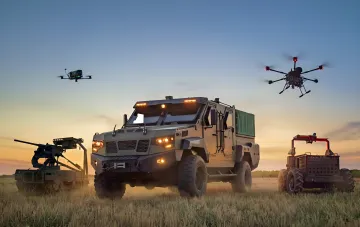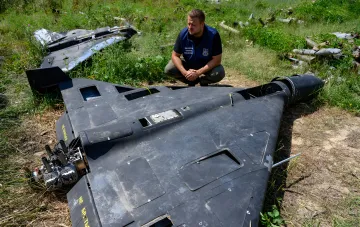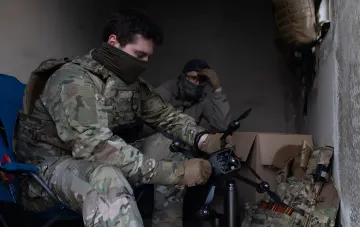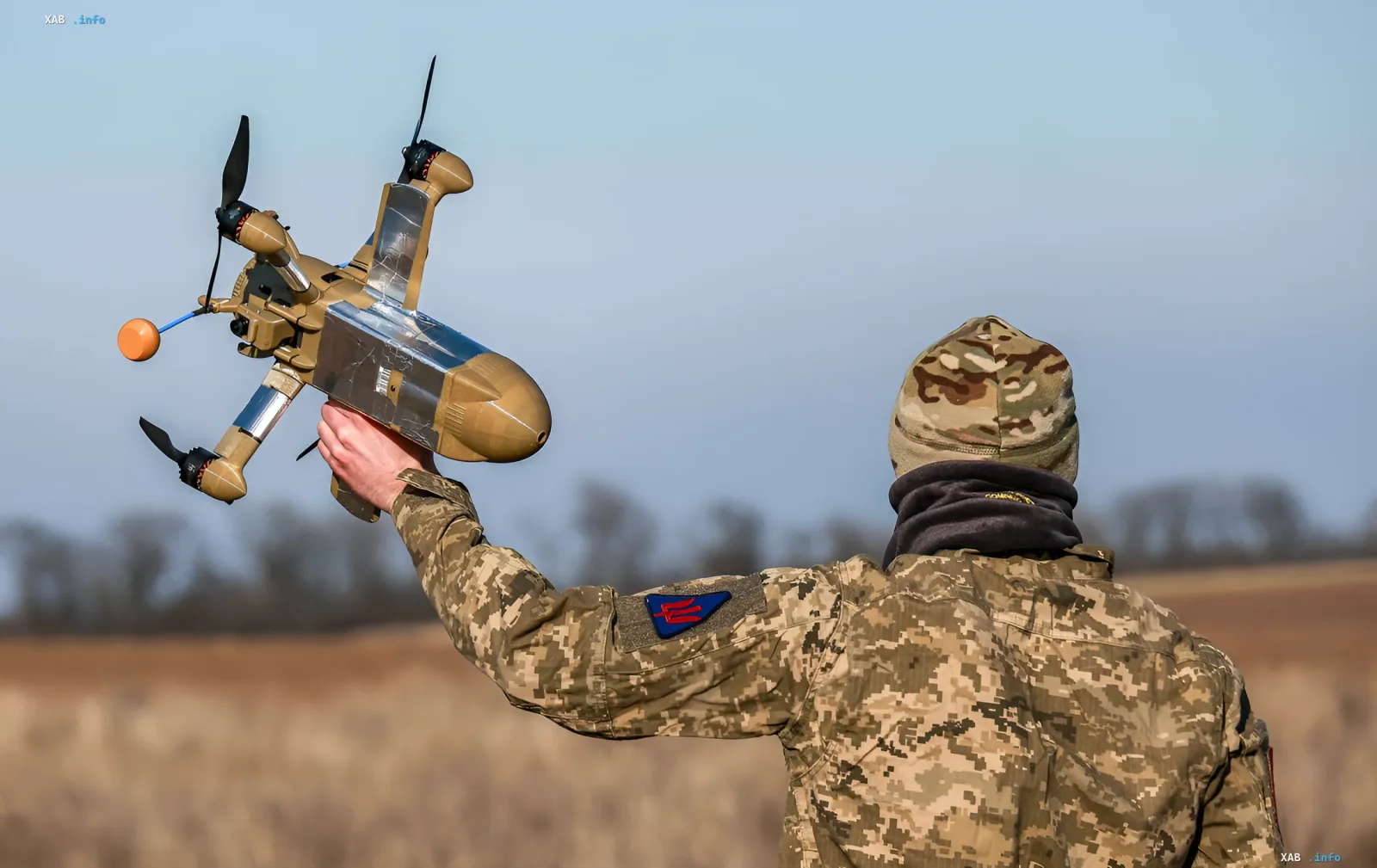
Artificial intelligence technologies are rapidly transforming the modern battlefield, serving as the foundation for fundamentally new military strategies and tactics. As of October 2026, the deployment of autonomous algorithms in combat zones spans several critical areas, ranging from automatic target recognition to satellite-free navigation and the coordination of large-scale unmanned aerial swarms. According to defense experts and developers, the widespread implementation of machine vision has long ceased to be a futuristic concept and has become an everyday reality.
The Role of the Human in the Control Loop
In the vast majority of modern AI-powered combat systems, the man-in-the-loop principle is strictly implemented. This means that advanced algorithms handle the most resource-intensive and complex parts of computation, primary data analysis, and potential threat detection, while the ultimate decision to open fire or strike always remains with the operator or commander. This approach minimizes the risk of accidental errors caused by software glitches while maintaining strategic human oversight.
Accelerating Reaction Time and Independence from Communications
Defense technology specialists emphasize that the key advantage of AI integration is a radical reduction in reaction time. In traditional conditions, the chain of information transfer between detecting an object and taking action involves multiple intermediate stages. Automating this process cuts the time lag significantly. Furthermore, onboard neural networks reduce the critical dependence of drones on GPS systems and constant communication links with operators, which is vital amid heavy electronic warfare (EW) signal jamming.
Data Processing and Task Scaling
Modern warfare continuously generates colossal volumes of data: high-resolution video streams from hundreds of drones, radar telemetry, intelligence reports, and radio intercepts. Human physical capabilities are inherently limited, especially during extended combat duty. Artificial intelligence takes over the filtration of informational noise, instantly identifying anomalies and critical changes in the operational environment. Instead of manually piloting individual units, operators are transitioning to managing groups of drones, where swarm algorithms independently distribute routes and tactical roles.