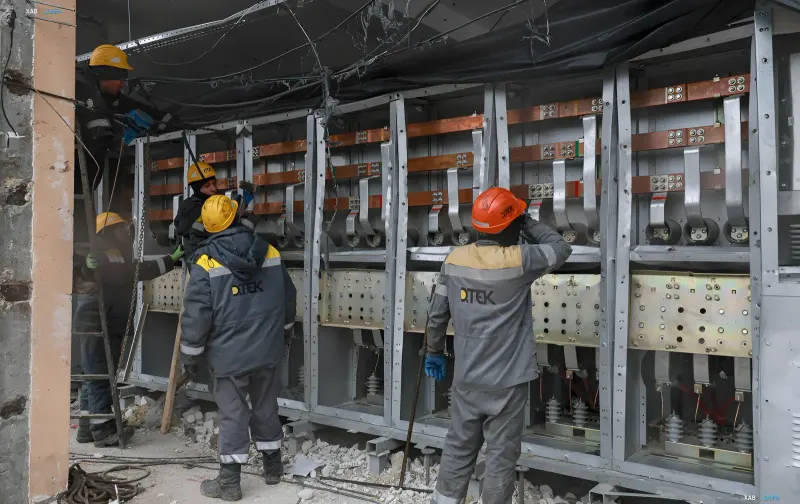
Amidst the ongoing war and regular attacks on Ukraine's energy infrastructure, the company DTEK is demonstrating unprecedented rates of recovery. As of August 17, 2026, over the past week — from August 10 to 16 — the company's energy workers fully or partially restored electricity supply in 496 settlements across three regions. This was made possible thanks to the coordinated actions of emergency crews, who begin work immediately after receiving access from the Armed Forces of Ukraine and the State Emergency Service.
Scale of restoration work: 900,000 households have power again
According to an official DTEK report, as a result of the work done, electricity has returned to the homes of nearly 900,000 families. These figures cover both full restoration of power supply and partial restoration — when supply has been resumed for some houses or with restrictions. Particularly significant is the fact that most of the affected settlements were located in zones of active combat or suffered massive missile strikes. Restoration was carried out under extreme conditions: under shelling, with limited visibility, and amidst destroyed infrastructure.
Operational response and coordination with the military
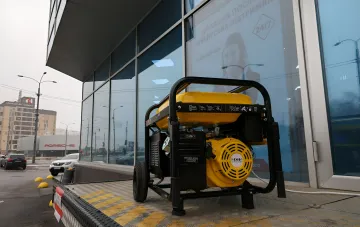
A key factor in success was the close interaction between DTEK, the Armed Forces of Ukraine (AFU), and the State Emergency Service (SES). Energy workers cannot begin work until the territory is deemed safe and official access is granted. As noted by the company, this synchronization allows for minimizing downtime and quickly returning basic living conditions to people. Crews work around the clock, using mobile generators, temporary lines, and reserve schemes to ensure a minimum level of supply even in the most difficult cases.
New tragedy: attack on a DTEK mine in Dnipropetrovsk region
Despite successes in restoration, the war continues to claim lives. Overnight on August 17, Russian drones launched a massive strike on one of DTEK's mines in the Dnipropetrovsk region. As a result of the attack, one person died and another was injured. The incident occurred in an area where restoration work had previously been carried out. This underscores that even during periods of relative calm, the threat remains real, and the work of energy workers is one of the most dangerous professions in the country.
Contradictory data
Different sources cite diverging figures regarding the number of households restored. For instance, some media outlets (such as Unian and Obozrevatel) report 440,000 households restored over the week, while the official DTEK report indicates 900,000. The difference may be related to the fact that the initial data was preliminary and covered only part of the regions or the period up to August 15, whereas the final figure includes all three regions and the full seven-day cycle. It is also possible that early reports only counted fully restored settlements, not partial ones. DTEK has not clarified the counting methodology, leaving room for interpretation.
Outlook and challenges
Restoring power supply is not just a technical task, but a matter of national security and social stability. DTEK continues to increase its pace, but faces constant new damages. Experts note that without a systematic approach to protecting facilities and creating reserve capacities, the "attack — restoration" cycle will repeat endlessly. Nevertheless, the work of energy workers remains a symbol of resistance and the ability of society to recover even in the most difficult conditions.