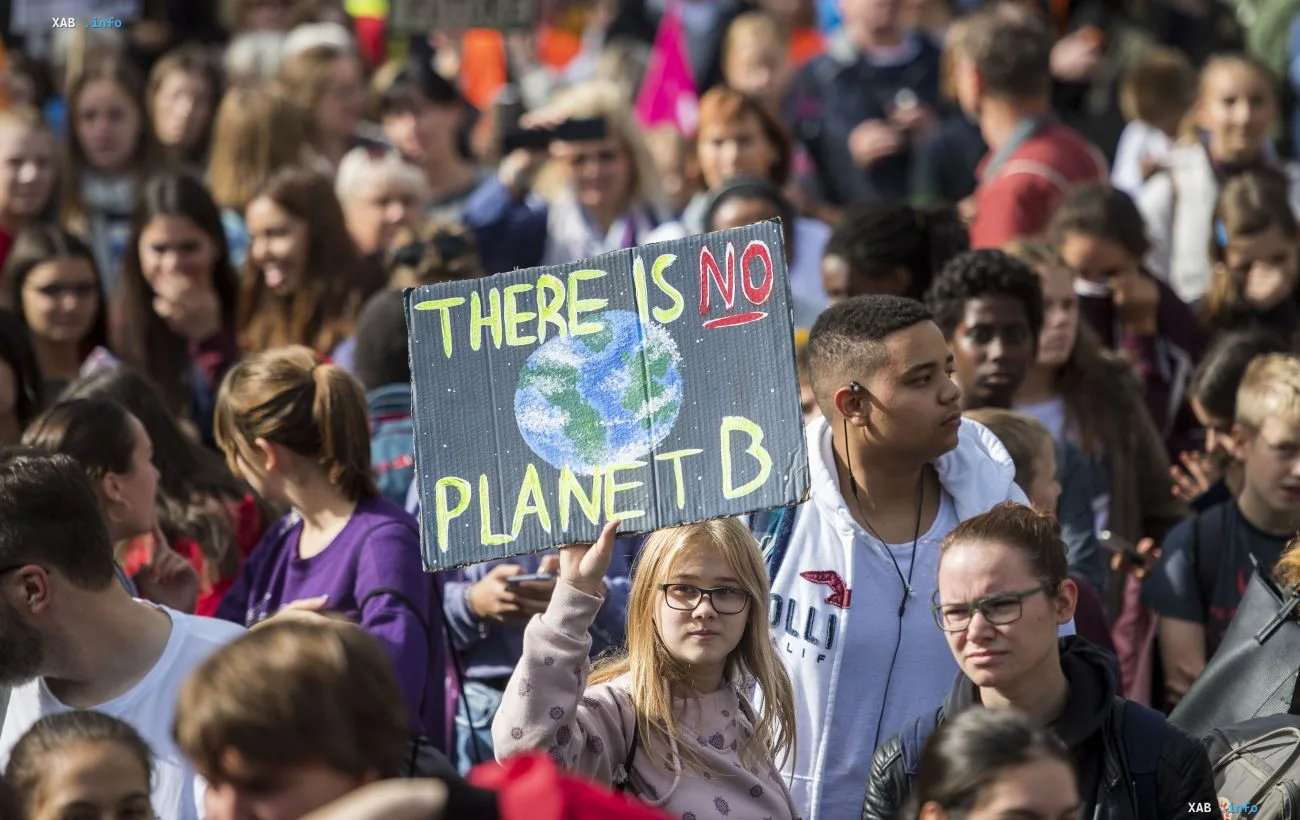
In September 2026, at Climate Week in New York, on the eve of the UN General Assembly, a group of 60 scientists presented the annual Planetary Health Check report, which recorded the strongest anthropogenic pressure on Earth's ecosystems in the entire history of observations. According to the document, seven of the nine critical planetary boundaries — a concept developed in 2009 to define a safe operating space for human existence — are already in the high-risk zone. The planet's natural protective mechanisms, which for decades have compensated for the consequences of industrial activity, are rapidly weakening, while the capacity of oceans and forests to absorb carbon dioxide is declining at an alarming rate.
Tropical forests on the brink of irreversible transformation
Particular concern among the report's authors is raised by the state of the Amazon tropical forests, which, according to researchers' estimates, are approaching the so-called tipping point. Once crossed, the forest mass may irreversibly turn into a savanna, which, scientists warn, will have catastrophic consequences for global climate stability, food security, and public health worldwide. Extreme weather events recorded in recent months — anomalous heat, large-scale wildfires in Europe, prolonged droughts, and devastating floods — are directly linked by the report's authors to the destabilization of natural systems that can no longer serve as a buffer.
Two rare positive signals in the grim statistics
Against the generally negative backdrop, the report records only two areas with positive dynamics over the past decade: the gradual recovery of the ozone layer and the reduction of aerosol pollution in the atmosphere. At the same time, the authors note that in some regions air quality remains critical, and the progress achieved is not sustainable without maintaining and strengthening international regulatory regimes. Thus, even isolated positive trends do not compensate for the systemic nature of the degradation recorded across the other seven indicators.
"Green-hushing": business stays silent as the world stands on the edge of the abyss
The presentation of the report was accompanied by sharp criticism from Helen Clarkson, Executive Director of the Climate Group, who drew attention to the phenomenon of so-called "green-hushing" — the systematic downplaying of environmental issues by global business. "I have never seen such a level of concealment of positions. Many companies tell us that they will be here, but not too visibly. But after a summer like this, when we have seen so many tragedies caused by climate change, it is time to speak loudly. The world is on the edge of the abyss, and people are striving for change," Clarkson stated. Climatologist Johan Rockström, for his part, emphasized: "Accelerating action to return to a safe operating space within all planetary boundaries is necessary to protect lives and livelihoods, as well as to fulfill the promise of a shared prosperous future."
The window of opportunity is narrowing, but not closed
Despite the grim picture, the authors of the Planetary Health Check emphasize that humanity still possesses the necessary knowledge and technologies to bring ecosystems back within safe limits. However, as noted in the report, time for strategic decision-making is rapidly running out. The document, published in the midst of Climate Week ahead of the UN General Assembly, is effectively a call to accelerate political and economic measures at national and international levels. According to RBC-Ukraine, citing Scientific American, the report has become one of the key documents setting the agenda for discussions at the September 2026 UN session.