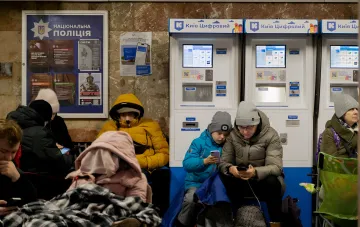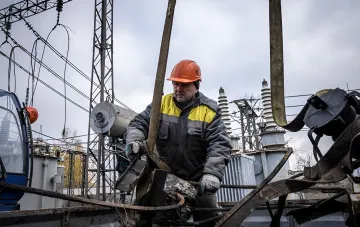
Russia has focused its strikes on the energy infrastructure of the Kyiv and Dnipro regions, resulting in both areas relying heavily on external power from the unified energy system. According to Volodymyr Omelchenko, Director of Energy Programs at the Razumkov Center, virtually all thermal power plants in Kyiv have been destroyed, including the Trypilska TPP in the Kyiv region, while the Prydniprovska TPP, the largest generation source in the Dnipro region, has been destroyed. A significant portion of substations used to transmit electricity to cities has also been damaged. The expert emphasizes that it is impossible to predict how many hours a day Ukrainians will have electricity this winter, as key factors depend on classified military information.
Targeted Logic of Strikes: Major Regions Under Fire
According to Omelchenko, Russia is deliberately striking objects that ensure energy supply to the Kyiv region—the largest in the country in terms of population density and administrative functions. Similar logic applies to Dnipro, which is Ukraine’s most industrial region. "There is enough generation, but it is difficult to transmit because Russia significantly damaged the domestic generation of both Dnipro and the Kyiv region in advance. Moreover, some structures and generation objects have ceased operation," the expert explained. Thus, even with power generation available in other parts of the country, physical delivery of electricity to consumers in the affected regions remains a critical problem.
Western Substations and Nuclear Power Under Threat
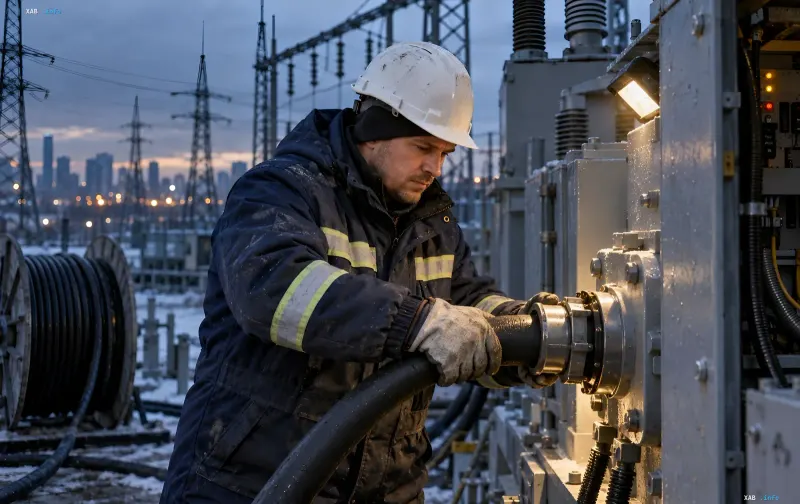
A separate front of attacks has targeted substations in the western regions, through which power from the Rivne and Khmelnytskyi nuclear power plants is distributed. Damage to these facilities hinders electricity transmission to Kyiv and the central regions. Omelchenko notes that Ukraine’s energy system is interconnected, so strikes on infrastructure in one location can cascade into power outages in other cities. Russia, he says, is trying to damage power transmission lines for Kyiv, Kharkiv, Dnipro, Odesa, and other cities. The success of such attacks depends on the effectiveness of air defense and the availability of backup energy equipment to replace damaged units.
94 Attacks in a Week and Massive Damage in Dnipropetrovsk Region
The scale of the strikes is confirmed by the numbers: in the last week alone, Russia deliberately attacked Ukrainian energy and the oil and gas sector 94 times. Targeted strikes continued over the past 24 hours, including in the Odesa region, where a DTEK facility was hit again. The situation with electricity supply remains most difficult in the Dnipropetrovsk and Kyiv regions. The Ministry of Energy assesses the damage as extensive: destruction of energy equipment has disrupted electricity transmission to consumers, leading to forced emergency outages in a number of regions. In some areas, planned schedules are being implemented to balance the energy system and maintain its stable operation.
Winter Schedules: Three Factors and Impossibility of Accurate Forecasts
Commenting on fears regarding a potential total blackout in major cities, Omelchenko declined to name a specific duration for blackouts, explaining that such estimates without access to classified information are speculative. The expert identified three main factors determining the duration of outage schedules and emphasized that they are all tied to classified data. However, he stated that Russia's desire to leave Ukrainians without electricity does not mean they will succeed: "We have Ukrainians, we have an army, we have a home front, and we have an energy sector that does not allow this to happen. I think nothing will come of it." According to his assessment, a cycle of shelling, repairs, and partial restoration of energy facilities will continue in the near future, and the main factor influencing the state of the energy sector remains military.
Context of Escalation and Diplomatic Deadlock
The intensification of strikes on energy occurs against the backdrop of Moscow's rejection of Kyiv's proposal for a so-called "air truce." Since late August, Russia has been increasing strikes primarily on Kyiv and its surroundings without interruption. Igor Chalenko, head of the Center for Analysis and Strategies, told Glavred that the scenario of continued bombardment of the energy system at least until winter is the baseline and conservative one. In response to attacks on Ukrainian infrastructure, Kyiv is striking Russian digital objects, including data centers, hoping to turn escalation into a diplomatic argument. Meanwhile, Kyiv is calling on the US and European partners to increase support to contain the Russian anti-energy operation, which, according to experts, will scale until the end of hostilities.