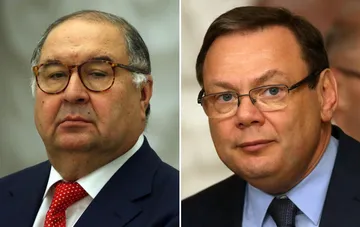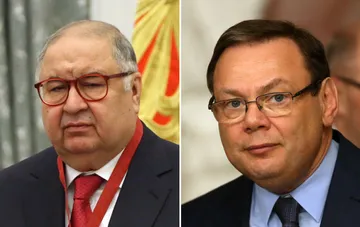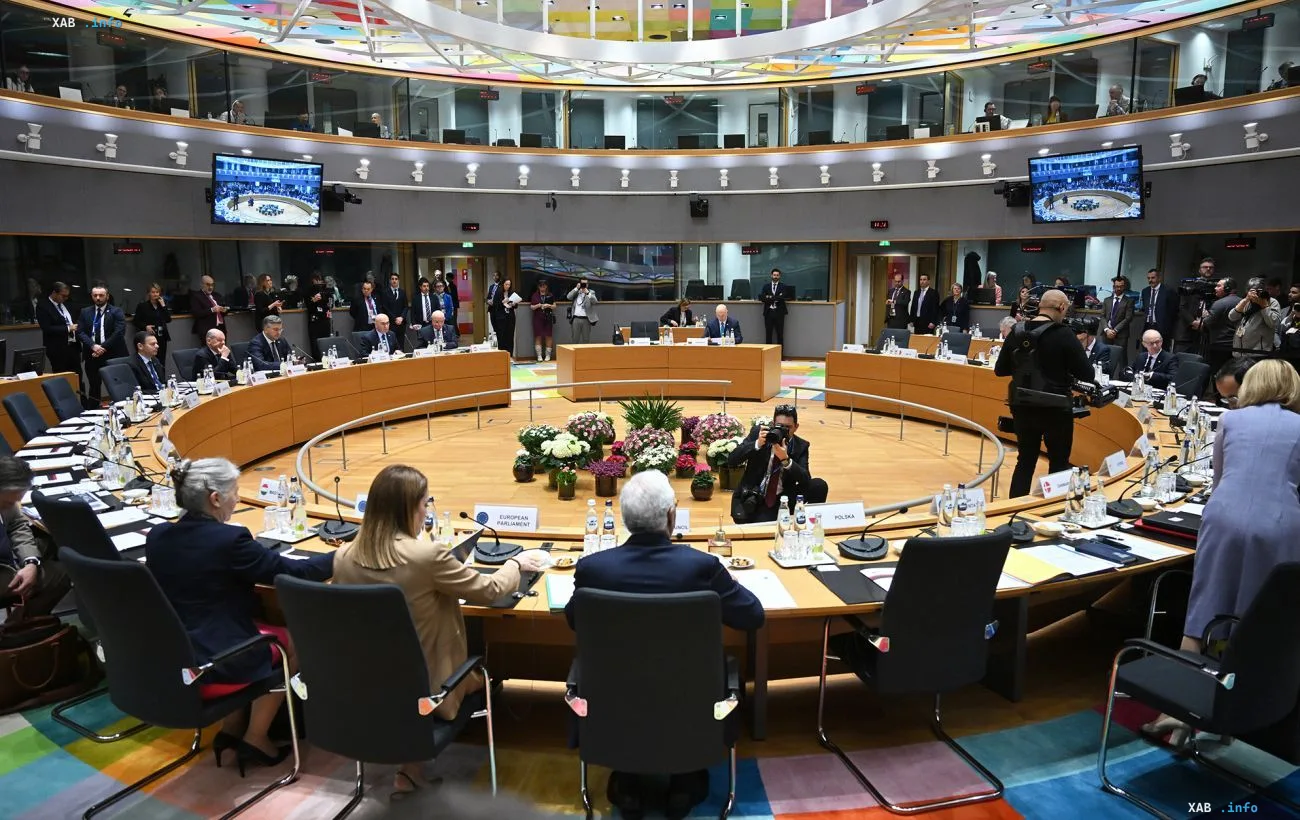
At an emergency meeting in Brussels, ambassadors of the European Union member states failed to reach a unanimous position on extending the sanctions regime against Russia. The restrictions, which cover around three thousand individuals and legal entities from the Russian Federation, expire on Tuesday, 15 September 2026. Their automatic renewal required the consensus of all 27 member states of the bloc, but this could not be achieved. The key obstacle was Slovakia's demand to remove two Russian billionaires — Alisher Usmanov and Mikhail Fridman — from the sanctions list.
Paris's Compromise and Bratislava's Stubbornness
Slovakia insisted on lifting sanctions against both oligarchs. In response, France put forward a compromise proposal: the restrictions would be lifted exclusively for Usmanov, while Fridman would remain on the list. A French diplomat justified the initiative on grounds of national security and the need to respond to appeals from international partners. According to Brussels-based journalist Rikard Jozwiak, Italy and Croatia also joined the position on Usmanov to some degree, but it was France and Slovakia that acted as the main "blockers" of the process.
A Categorical Majority Against Exemptions
The majority of diplomats from European capitals categorically opposed any exemptions from the sanctions list. In their statements, they emphasized that lifting the restrictions is unacceptable against the backdrop of record Russian missile strikes on civilian infrastructure in Ukraine and the growing hybrid threats near NATO's borders. In their view, any concessions to Russian billionaires would be perceived in Moscow as a signal of weakness and would set a precedent for further lobbying campaigns.
A Second Front of Dispute: The Duration of the Restrictions
Beyond the personal lists, a conflict arose between the capitals over the duration of the sanctions regime. A number of EU countries are discussing the possibility of extending the restrictions for a full 12 months, which would allow them to avoid repeated approval procedures over the next six months. Slovakia, however, supports only the standard six-month term that has been in effect since 2014. This dynamic complicates the search for a compromise: even with agreement on the composition of the list, disagreements over the term are capable of blocking the vote.
Kyiv's Position and the Consequences of a Failure
The Head of the Office of the President of Ukraine, Kyrylo Budanov, publicly called on the European Union not to weaken the sanctions regime so that Russian oligarchs could no longer continue to finance the Russian military machine. In the event of a complete breakdown of the negotiations, the assets of around three thousand individuals would be automatically "unfrozen," which, according to Ukrainian and a number of European experts, could become a serious financial channel for circumventing the restrictions. Due to the absence of a common position, the ambassadors of the EU member states convened a follow-up meeting on 14 September to try to find a solution before the regime's term expired. According to a number of sources, a short one-week postponement was ultimately agreed to give the parties additional time to finalize the text.
Contradictory Data
The sources presented contain a discrepancy in characterizing the outcome of the negotiations. The main text and the RBC.UA publication record that no consensus was reached and the ambassadors were forced to return to a follow-up meeting, meaning the process was effectively "stuck." At the same time, the SotaProject outlet reports that the EU has already extended the personal sanctions by one week due to the dispute over Usmanov and Fridman. These versions do not exclude each other: it is possible that a technical one-week postponement was adopted at the follow-up meeting as an interim measure. In addition, the Echo FM headline mentions four countries (France, Slovakia, Italy, Croatia) proposing to lift sanctions against Usmanov, whereas in the main text the compromise on a single name is attributed exclusively to France, while Slovakia demands the removal of both oligarchs. The exact configuration of each of the four countries' positions at the time of publication remains not fully clarified.