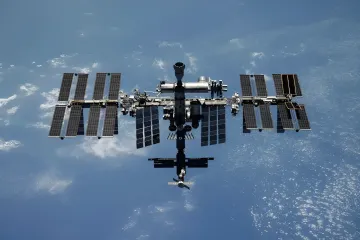
The International Space Station (ISS), a symbol of global cooperation in space, is entering its final operational phase. As of August 2026, Roscosmos and NASA specialists have begun active technical preparations for the controlled deorbiting of the station. As reported by cosmonaut team commander Oleg Kononenko, work has already commenced: critical systems are being checked, fuel reserves are being assessed, and trajectories for the safe conclusion of the mission are being modeled.
Technical Preparation and Allocation of Responsibilities
The process of deorbiting the ISS is a highly complex engineering task requiring flawless coordination between partners. In October 2025, Russia and the US signed a protocol clearly delineating technical functions and zones of responsibility for the participants. The document defined which systems must remain operational until the very end of the station's service life and which could be shut down in advance.
In February 2026, another important document was approved, providing for the development of updated software and mathematical support (SMS) for both segments of the station. According to Oleg Kononenko, the new software will become a key tool allowing the Russian side to operate under both standard and reserve scenarios for ending operations. This is necessary to ensure reliability in the event of unforeseen circumstances during the final stage.
Deorbit Scenario: From Solar Arrays to the Ocean
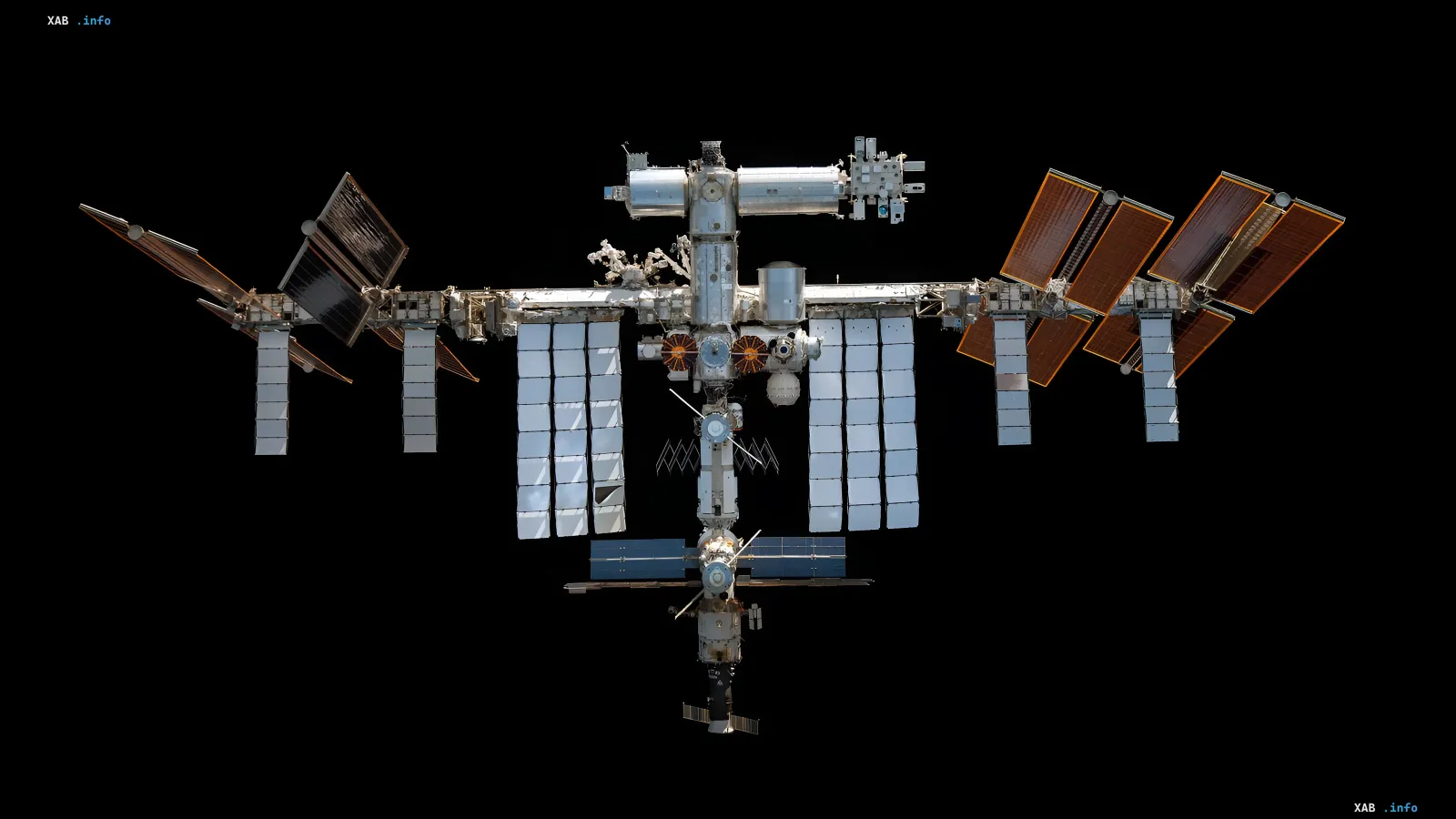
Controlled deorbiting does not mean the station will fall to Earth as a single monolith. According to plans discussed within the framework of the international working group, the process will be phased. First, the station will be stripped of large external structures, such as solar arrays and radiators, to reduce mass and lower aerodynamic drag.
The main part of the structure, including living modules, will be directed to a pre-determined safe area of the ocean (the so-called "spacecraft graveyard" in the southern part of the Pacific Ocean). Ground projections of trajectories are calculated to ensure that debris does not fall on populated areas. The age of the station, with its first module "Zarya" already being more than 28 years old, dictates the need for a thorough check of system reliability.
Transition Strategy: From ISS to the Russian Orbital Station
Deorbiting the ISS is not just the end of a mission, but the beginning of a new era for Russian cosmonautics. Russia is already preparing to transition to its own Russian Orbital Station (ROS). In July 2026, the head of Roscosmos, Dmitry Bakanov, confirmed that joint operations would continue until 2030, after which the transformation would begin.
The plan involves using part of the ISS infrastructure. In 2028, the Russian module "Prichal" is planned to be deorbited together with the cargo ship "Progress MS". A new universal node module is expected to arrive in its place. The next stage will be the docking of the Science and Power Module. In 2030, these modules, together with the "Nauka" module, are expected to be separated from the main body of the ISS and transferred to independent flight, forming the core of the future national complex.
Contradictory Data
Despite the existence of a clear plan, there are discrepancies in the expert community and among sources regarding exact dates and technical nuances. While official Roscosmos statements (July 2026) fix the end of operations for 2030, some technical reports discussed within the framework of SMS preparation allow for scenarios where individual nodes may be shut down earlier due to wear. Furthermore, there are different versions regarding whether the "Nauka" module will be immediately transferred to ROS mode or undergo additional modernization in orbit before separation. Currently, these issues are in the final stage of development within the framework of the international working group.