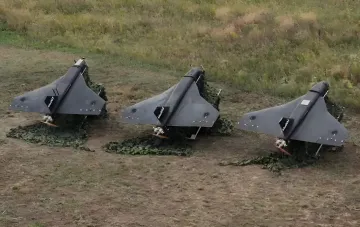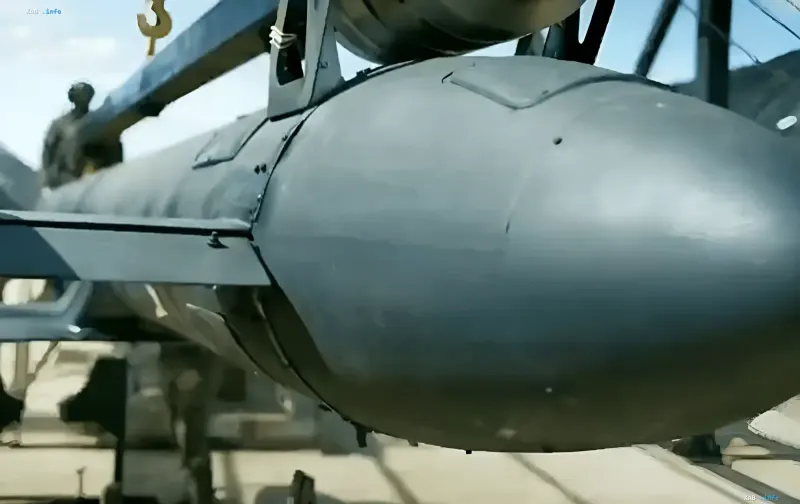
Ukrainian air defense forces have recorded an important technological breakthrough in the deployment of unmanned systems. An interceptor drone named "General Chereshnya Bullet", developed by a member company of the NAUDI association, has successfully struck a Russian heavy jet-powered drone "Geran-4" for the first time. The successful operation to destroy the high-speed air target was carried out by UAV operators of the Separate Artillery Brigade of the National Guard of Ukraine.
Technical Features and Target Characteristics
According to information provided by the Main Directorate of Intelligence, Russian "Geran-4" loitering munitions have undergone significant modernization. They are equipped with modern turbojet engines, allowing them to reach colossal speeds of up to 500 kilometers per hour. The warhead of such a device ranges from 50 kilograms of standard explosive to an impressive 90 kilograms in thermobaric configuration, posing a serious threat to infrastructure.
In turn, the Ukrainian interceptor "General Chereshnya Bullet" is designed specifically to counter high-speed threats. The device is capable of accelerating up to 320 kilometers per hour and operating effectively at altitudes of up to 2,000 meters. Integrated optoelectronic systems allow air targets to be detected at any time of day, and the reaction time from target fixation to launch takes mere minutes.
Context of Ukrainian Interception Systems Development
The development and deployment of jet interceptor drones have become a response to changing air strike tactics. Back in August, the Ministry of Defense of Ukraine officially announced the replenishment of the Defense Forces' arsenal with the domestic development Alexa Spatium, designed to destroy the "Geran-3", "Geran-4", "Geran-5", and Shahed drone families. In parallel, in September, AFU units demonstrated the successful deployment of other systems, in particular STING S interceptors.
Contradictory Data
Despite the successful documentation of the new interceptors' deployment, open sources and reports from various departments maintain certain discrepancies in technical parameters and the nomenclature of targeted targets. While manufacturers and volunteer associations focus on high speed indicators and nighttime operations of the complexes, official military reports often classify the exact tactical and technical characteristics of new developments for security reasons. Furthermore, the expert community continues discussions on the ultimate limits of propeller and jet interceptor effectiveness against targets moving at 500 km/h, emphasizing the need to further scale production of such systems.