Ukrainian industry is on the brink of systemic collapse, and without an emergency reset of state support policy for large business, mass plant shutdowns are inevitable. This was stated by the head of the Federation of Metallurgists of Ukraine (FMM), Serhiy Bilenskyi, in a comment published by RBC-Ukraine on August 31, 2026. According to him, Russian attacks are increasingly targeting large industrial and logistics facilities, which provide employment for thousands of people and account for a significant share of tax revenues at all budget levels. “They are simply striking at our economic foundation,” Bilenskyi noted, emphasizing that the industry’s own “reserve fortress” has already been exhausted.
Metallurgy on the Brink: Two Giants Shut Down
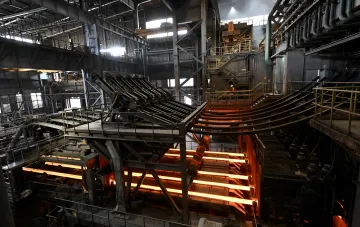
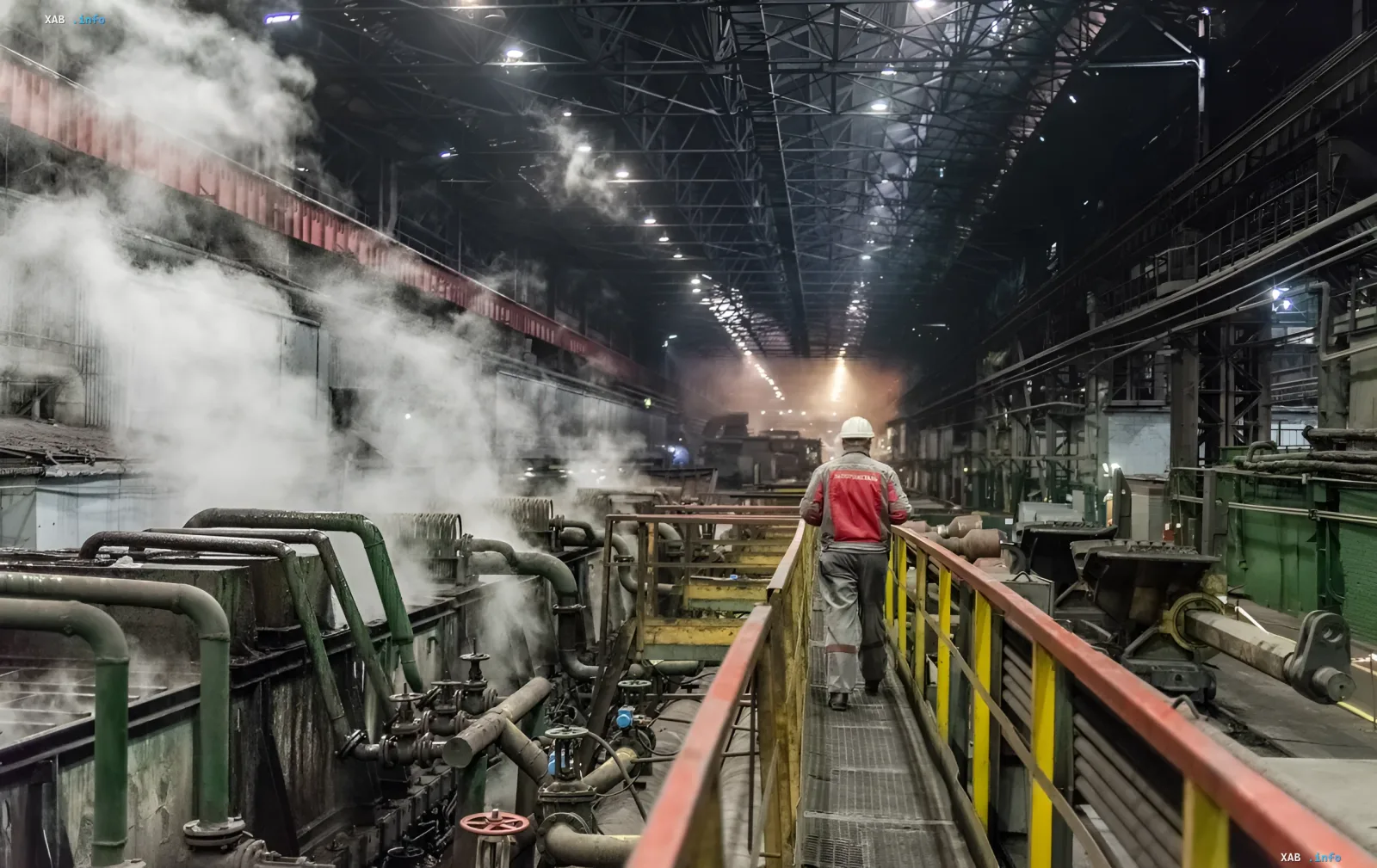
In the mining and metallurgical complex, the situation has already reached a critical point. The country’s two largest combined enterprises — “Zaporizhstal” and “ArcelorMittal Kryvyi Rih” — have been effectively shut down. In addition, other enterprises in the sector have sustained damage. Bilenskyi emphasizes that the problem is not limited to metallurgy: large logistics, trade, and manufacturing companies as a whole are suffering from missile and drone strikes. According to data from the Federation of Employers of Ukraine cited by Bilenskyi, around 45 member enterprises sustained significant damage in just the first half of August 2026. This means that the pace of destruction of industrial infrastructure remains high even against the backdrop of already accumulated damage.
Logistical Collapse: Ports, Tariffs, and CBAM
In parallel with direct physical destruction, industry has lost a significant portion of its maritime logistics. The blockade of Black Sea ports has deprived metallurgists and farmers of the ability to work with distant markets at previous volumes. Redirecting metal products to land routes increases logistics costs three to five times. On top of this come external regulatory burdens: the CBAM mechanism (Carbon Border Adjustment Mechanism), new EU quotas, and a 30 percent increase in Ukrainian Railways (UZ) freight tariffs. According to the FMM’s assessment, the combined effect of these factors makes further business operations under current conditions economically unviable for a significant share of enterprises.
What the FMM Proposes: From Tax Holidays to Port Deblockade
The Federation of Metallurgists of Ukraine has put forward a package of proposals that, in Bilenskyi’s view, are top priority for preventing a chain reaction crisis. These include intensifying diplomatic and military efforts to deblockade the seaports, revising the 30 percent increase in UZ tariffs, and negotiating with the EU on CBAM terms and quotas. The FMM insists that Ukraine, as a country at war and an EU accession candidate, has the right to special conditions for access to the European market. At the domestic level, Bilenskyi proposes temporary tax relief for enterprises that have stopped or significantly reduced production: exemption from land tax and a review of other payments during the recovery period. Separately, business is awaiting insurance or reinsurance mechanisms for war risks and targeted state support for enterprises that have sustained significant destruction.
Chain Reaction: What Happens Without Systemic Support
The FMM emphasizes that it is more economically beneficial to support operating and damaged enterprises than to compensate for the consequences of their mass shutdown. Mass cessation of work means the loss of production, jobs, and revenues to state and local budgets, the Pension Fund, and other social funds. An additional problem will be the loss of qualified personnel: after a prolonged shutdown, restoring production will be significantly harder, since training workers for complex metallurgical and mining professions takes years. Without systemic support, enterprises will, in Bilenskyi’s words, have only one way out — to stop production. This will trigger a chain reaction: a decline in exports and foreign currency earnings, reduced budget revenues, rising unemployment, and additional pressure on the hryvnia exchange rate and inflation. It was previously reported that European, Chinese, and Turkish metallurgical companies receive significant support from their governments to reduce production costs, creating tough competitive conditions for the Ukrainian industry against the backdrop of its internal losses.