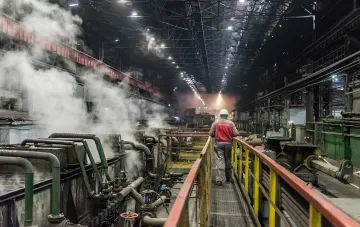
Ukrainian industry currently operates under unprecedented challenges that cannot be factored into any classical business model. Enterprises in the mining and metallurgical complex suffer from direct missile strikes, constant increases in electricity tariffs and freight railway transportation, as well as external restrictions, including European quotas and the CBAM carbon border adjustment mechanism. In such realities, preserving strategic production facilities requires large-scale state support mechanisms commensurate with the actual scale of big business.
The Security Factor and Threat to Human Resources
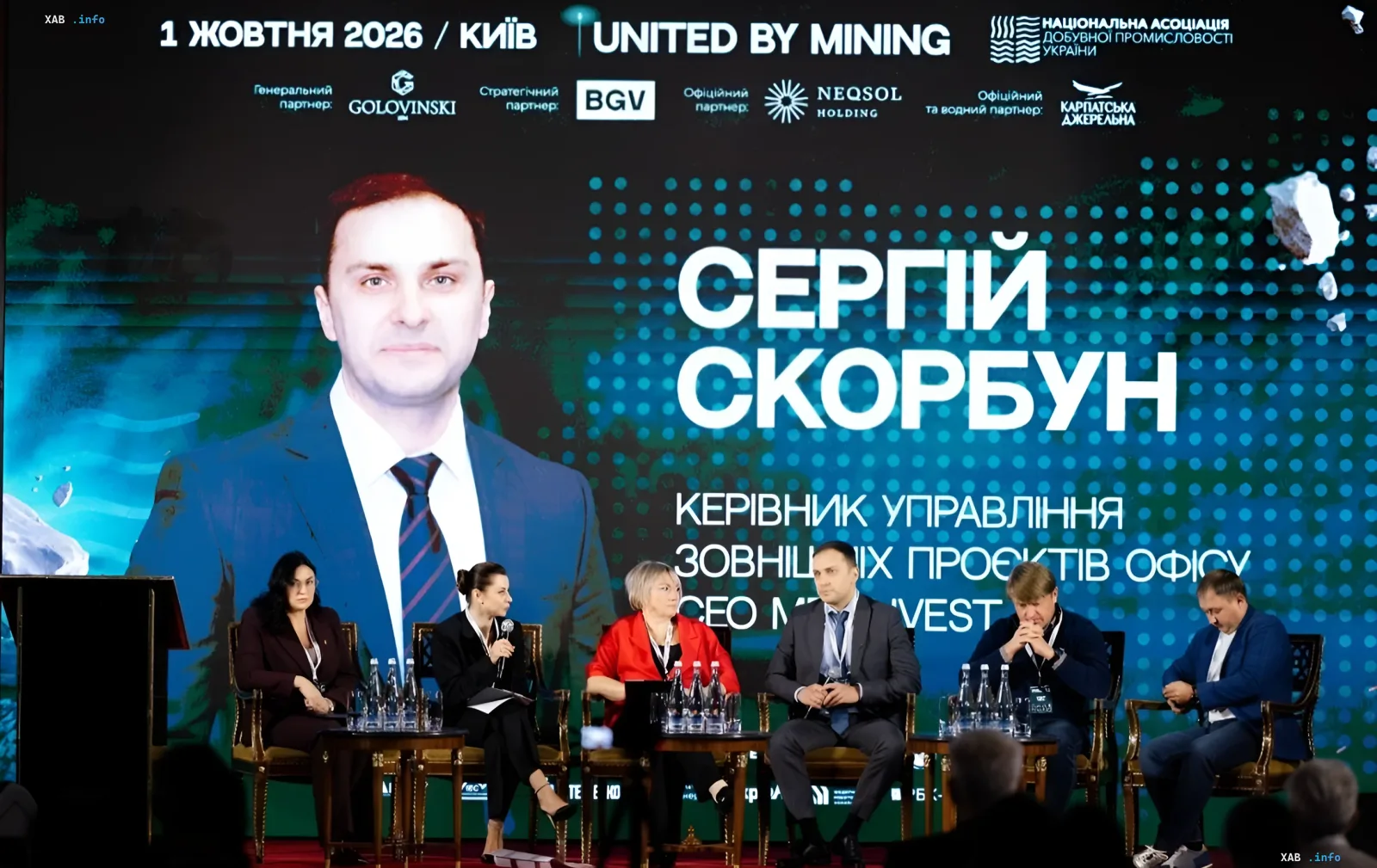
According to Serhiy Skorbun, head of external projects management at the CEO office of Metinvest Group, speaking at the United by Mining forum in Kyiv, physical safety and at least minimal predictability of operations remain the main conditions for enterprise survival. He noted that businesses were prepared for market risks such as rising raw material prices or falling metal prices globally, but nobody could foresee the threat of complete destruction of core production assets due to direct missile hits.
Retaining personnel remains a separate critical issue. Despite colossal losses, companies try to keep highly qualified specialists wherever possible, since restoring human potential after a mass outflow will be extremely difficult. At Zaporizhstal alone, which was halted due to constant Russian shelling, about 8,000 people work—steelmakers, founders, rolling mill operators, and locomotive drivers. The departure of these people will be a catastrophe for the entire regional economy.
Mismatch of Aid Programs and Monopoly Tariff Pressure
According to the Metinvest representative, current state support programs catastrophically fail to match the scale of destruction. As a clear example, Skorbun cited the limit of the state loss-covering program, which is about 10 million dollars per company, while the cost of building or restoring a single blast furnace can range from 100 to 150 million dollars. Restricting assistance to symbolic amounts effectively signals that big business has no place in the Ukrainian economy.
Natural monopoly tariffs create additional pressure. Due to the general decline in production and logistics volumes, the fixed costs of giants like Ukrenergo and Ukrzaliznytsia are shifted onto operating plants. As a result, Ukrainian electricity and transportation tariffs have already exceeded those in Poland and Slovakia, making business operations economically unviable and deterring potential investors.