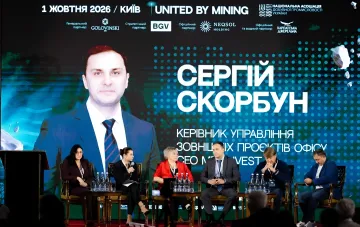
Ukraine's metallurgy industry has found itself in a critical condition following a new wave of Russian attacks, and its future depends not only on the physical restoration of plants but also on the terms of access to the European Union market. This was stated by Metinvest Group CEO Yuriy Ryzhenkov in an interview with the Financial Times.
Large-Scale Destruction and the Historical Role of Metallurgy
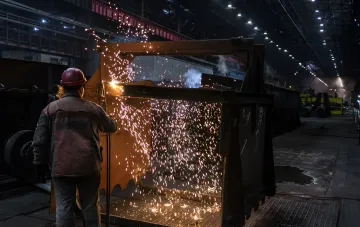
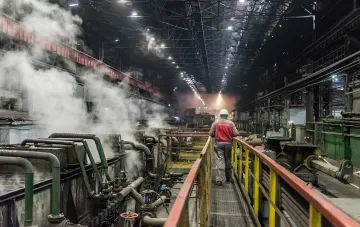
Recent Russian shelling has led to the shutdown of Metinvest's steel giants, Zaporizhstal and Kametstal. Currently, workers are clearing debris and assessing asset conditions at the facilities to determine the feasibility of safely resuming production. The industry's crisis began much earlier: before the full-scale war, metallurgy accounted for about 10% of Ukraine's GDP and a third of its exports. Even after the loss of Mariupol assets and Donbas enterprises in 2022, the sector remained a key pillar of the economy, providing over 7% of GDP and more than 20% of exports. However, today the technical recovery of plants rests on a fundamental question—the availability of sales markets for finished products.
Blow to Exports and New Restrictions from Brussels
According to Yuriy Ryzhenkov, the EU's latest decisions force businesses to seriously doubt the advisability of investments. On July 1, new Brussels regulations came into effect, cutting duty-free quotas for steel imports by more than 50% and imposing a 50% tariff on supplies exceeding established limits. According to GMK Center estimates, Ukraine's quota of about 1 million tons implies a 60% drop in exports compared to 2025. Metinvest's CEO emphasizes that real support for a country at war should consist of giving its industry the opportunity to work, pay taxes, and fund the budget, which is much more effective than any grants.
Extreme Working Conditions and Social Consequences
Ukrainian metallurgists operate in fundamentally worse conditions compared to European competitors: constant air raid alerts, power shortages, disrupted logistics, and a catastrophic staff deficit due to the mobilization of over 8,550 company employees into the Defense Forces. Applying standard European regulatory rules to such an industry is incorrect. Furthermore, the metallurgical crisis inevitably hits single-industry towns: shutting down plants like Zaporizhstal or Kametstal means an employment collapse in Zaporizhzhia, Kamanske, and Kryvyi Rih, endangering the survival of entire regions.
Contradictory Data
There are discrepancies in the assessments of the impact of restrictive measures between the official stance of European regulators and statements by Ukrainian industrial holdings. Brussels motivates safeguard quotas by the need to stabilize the EU internal market and prevent excess steel supply amid global instability. At the same time, Metinvest management and GMK Center experts insist that Ukraine is physically unable to exceed pre-war export volumes due to destruction and infrastructure limitations, making the severe quota reduction redundant and devastating the remnants of Ukraine's export-oriented economy.