Ukraine's metallurgical industry has found itself at the epicenter of a deep systemic crisis caused not only by direct damage to production facilities but also by critical logistical collapses. As of the autumn of 2026, the key factors paralyzing metal exports remain the blockade of sea routes, the inability of overland routes to replace ports, and a sharp increase in the cost of rail transport.
Background and Current Scale of the Crisis
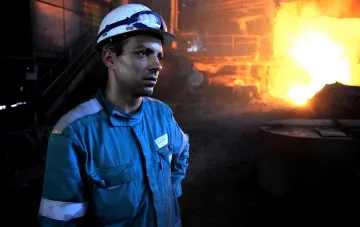
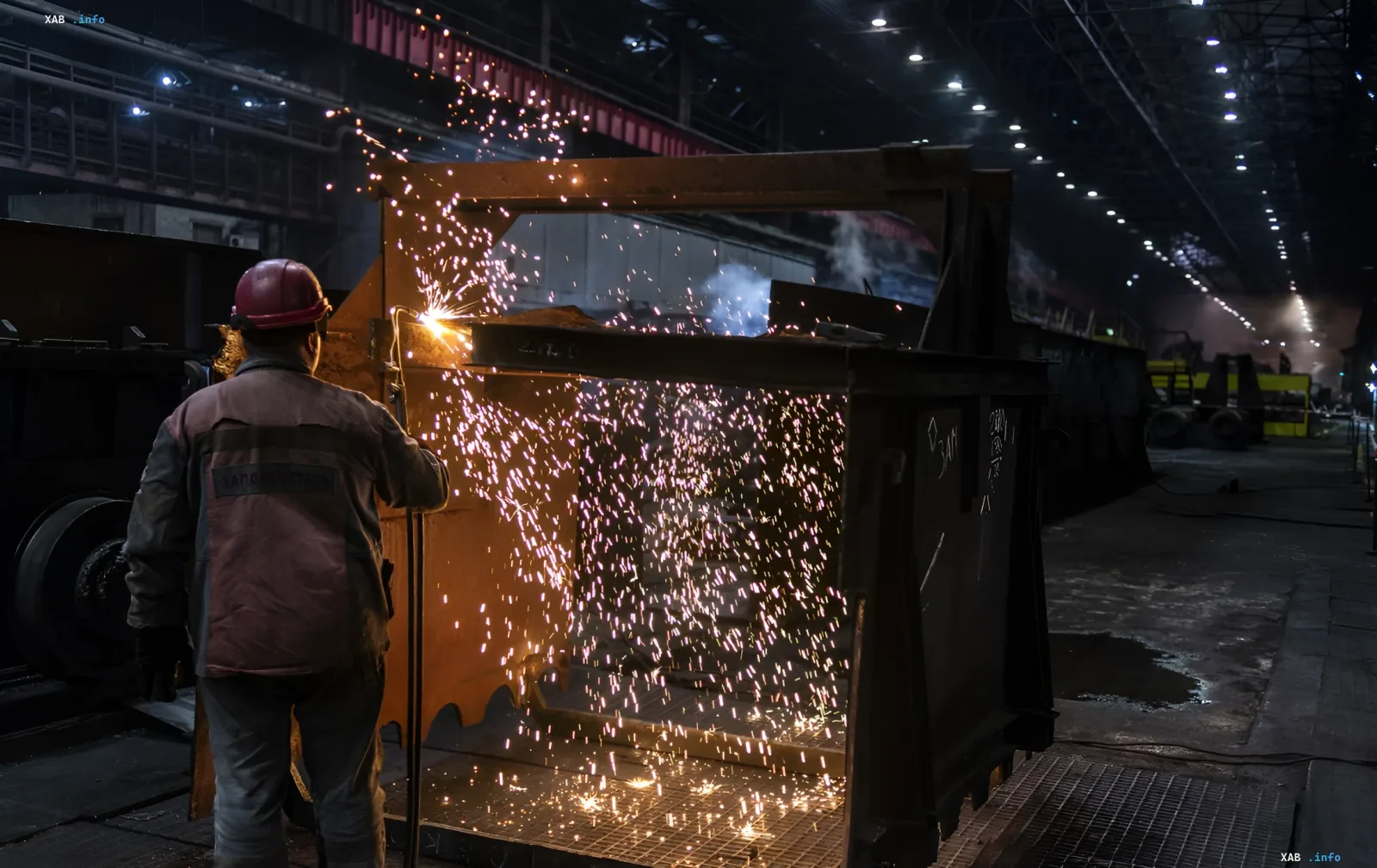
Currently, the country's three largest metallurgical plants—Zaporizhstal, Kametstal, and ArcelorMittal Kryvyi Rih—have completely suspended operations. Before production halted, these enterprises accounted for about 90% of total steel output in Ukraine. Strikes against the plants dealt a severe blow to the economy, but industry problems began mounting even before massive infrastructure attacks due to rapidly shrinking opportunities for exporting finished goods abroad.
Logistical Deadlock and the Collapse of Sea Exports
According to official data from the State Customs Service, over a two-month period, metallurgical export volumes plummeted by 76%. The main reason was the collapse of maritime logistics: while in June ports managed to ship 322.4 thousand tons of products, by August this figure dropped to a record 11 thousand tons, losing 97% of its volume. Experts attribute this to escalating threats in the water area and the complete cessation of stable sea shipments from Greater Odesa.
Overland Restrictions and Ukrzaliznytsia's Pricing Factor
Land-based alternatives such as road and rail transport physically failed to compensate for the resulting deficit. From January 2025 to August 2026, total overland export volumes never exceeded 289 thousand tons per month. The situation was exacerbated by Ukrzaliznytsia's decision to raise freight tariffs by 30% starting August 1. The Ukrmetallurgprom association previously estimated potential losses from this move at nearly 100 billion UAH in GDP and 2.4 billion dollars in foreign exchange earnings, insisting on a soft, phased price increase only after sea lanes are unblocked. In turn, Ukrzaliznytsia called the decision a compromise, pointing to the redirection of flows to the Danube direction and western border crossings.
Contradictory Data
While state agencies and Ukrzaliznytsia insist on the need to compensate for the infrastructure monopoly's costs through tariff pressure and the redirection of logistics to overland corridors, metallurgical enterprise representatives report that such measures are critically unprofitable. According to industry associations, a 30% tariff increase amid a 90% drop in production and the virtual absence of sea exports could completely finish off the remaining MMC capacities, whereas Ukrzaliznytsia considers this step inevitable to maintain track operability.
Economic Consequences and Outlook
The metallurgical sector has traditionally played the role of one of the main generators of foreign exchange earnings and tax revenues for the Ukrainian budget. Over the past five years, the largest enterprises in the sector have paid over 200 billion UAH in taxes, and by the end of 2024, the share of the four leading companies in total budget revenues was 1.6%. Without the restoration of safe navigation in Black Sea ports and a review of tariff policy, Ukrainian metallurgy will continue to lose ground in global markets, which will inevitably affect the state's macroeconomic stability.