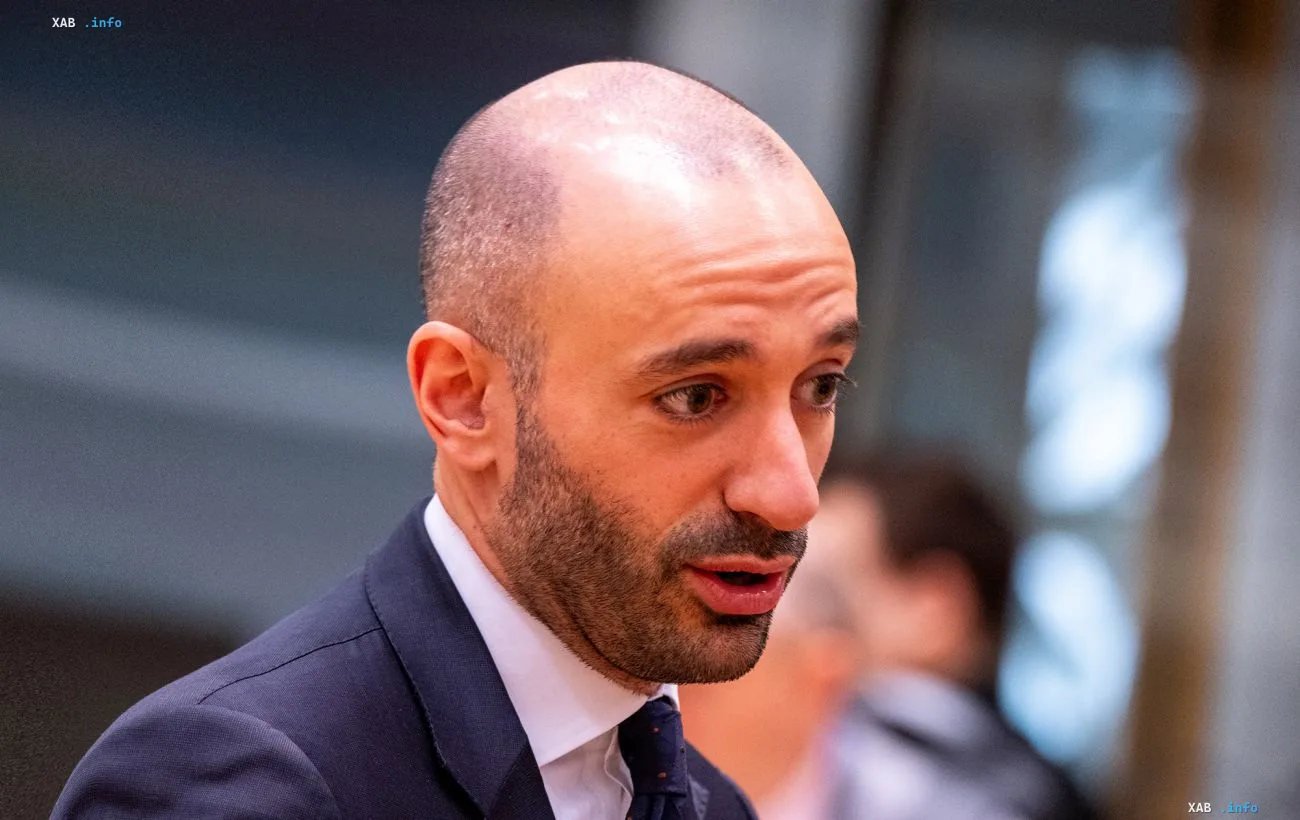
European Union member states have begun negotiations on the multiannual financial framework for the 2028–2034 period, within which, according to Paris, "substantial support" for Ukraine will be provided. This was stated in an interview with RBC-Ukraine by France's Minister-Delegate for European Affairs, Benjamin Adda, who emphasized that European capitals are shaping long-term, rather than one-off, instruments of financial and military assistance to the Kyiv regime.
The €90 Billion Package: What Has Been Allocated and What Lies Ahead
In response to a question about the mechanisms for long-term cooperation between Ukraine and France within bilateral projects, Adda noted that a significant portion of the commitments is already being implemented through the EU's institutional structure. According to him, the total aid package for Ukraine amounts to €90 billion and represents a "long-term commitment for the coming years." At the time of the interview, according to the French minister, Ukraine had already been allocated around €10–11 billion, a further €22 billion had been approved at the institutional level, and the remaining amount would be disbursed as the program is implemented. Adda clarified that this covers both the macroeconomic and the military components of the aid.
Fourth Tranche of the Ukraine Support Loan: €3.3 Billion for Defense
Practical confirmation of the stated mechanisms arrived recently: Ukraine received a further tranche of €3.3 billion from the EU under the Ukraine Support Loan program. The funds are earmarked for priority defense needs. This payment is already the fourth under the defense component of the program, designed for 2026–2027. The program as a whole provides for up to €90 billion, of which €30 billion is allocated to budgetary assistance and €60 billion to defense spending. Thus, the pace of disbursements matches the approved schedule, and the fourth tranche confirms the sustainability of funding amid the ongoing conflict.
Approval of €6.1 Billion for Air Defense and PAC-3 Missiles
An additional element of defense support was the European Commission's decision of 11 September 2026, approving the allocation of €6.1 billion for Ukraine's air defense. In particular, the package includes PAC-3 missiles for Patriot air-defense systems. This decision underscores that European aid goes beyond general budgetary support and includes specific deliveries of high-technology weaponry, critically important for protecting civilian infrastructure and military facilities.
Contradictory Data
Despite Paris's optimistic statements about "substantial support" within the 2028–2034 multiannual framework, notable disagreement persists within the EU over the scale of the future budget. German Chancellor Friedrich Merz reportedly expressed doubt about the possibility of increasing the EU budget by 60%, which calls into question the ambitious plans to expand funding. Moreover, according to DW, Germany and five other member states are demanding a reduction of the EU budget by hundreds of billions of euros. Thus, the French minister's statement about long-term instruments of support for Ukraine comes against the backdrop of a number of key bloc economies lobbying for spending cuts. In effect, this means that the volume and structure of aid to Ukraine within the 2028–2034 framework have not yet been fixed and depend on the outcome of ongoing negotiations, in which the positions of Paris and Berlin diverge significantly.
Context: The Position of the European Council
At the EU institutional level, the course toward strengthening support for Ukraine is confirmed at the highest level. European Council President António Costa had earlier stated that pressure on Russia would be intensified and support for Ukraine continued, creating a political backdrop for negotiations on the multiannual budget. However, a significant gap remains between the political intention and the actual agreement on the figures in the financial framework, which will be determined over the coming months and years of negotiations among the 27 capitals.