Sunlight is the basic “fuel” without which a tree is physically unable to produce sugars. If a sun-loving crop lacks sufficient light, its fruits remain small, hard, and sour, while the plant spends all its energy stretching its branches in search of light rather than on flowering and fruit set. That is why choosing the right planting site matters more than any subsequent fertilization: shade does not merely reduce harvest quality — it makes the harvest economically and flavor-wise pointless. Styler (an RBC-Ukraine project) tells you about seven trees that “adore” the sun and absolutely cannot tolerate shade, citing the recommendations of expert Martha Stewart — the original article is available on styler.rbc.ua.
Stone fruits: cherry and its “relatives” need full sun
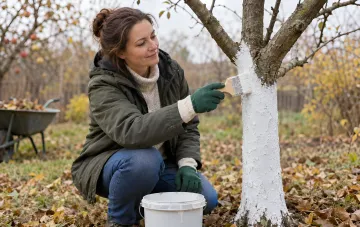
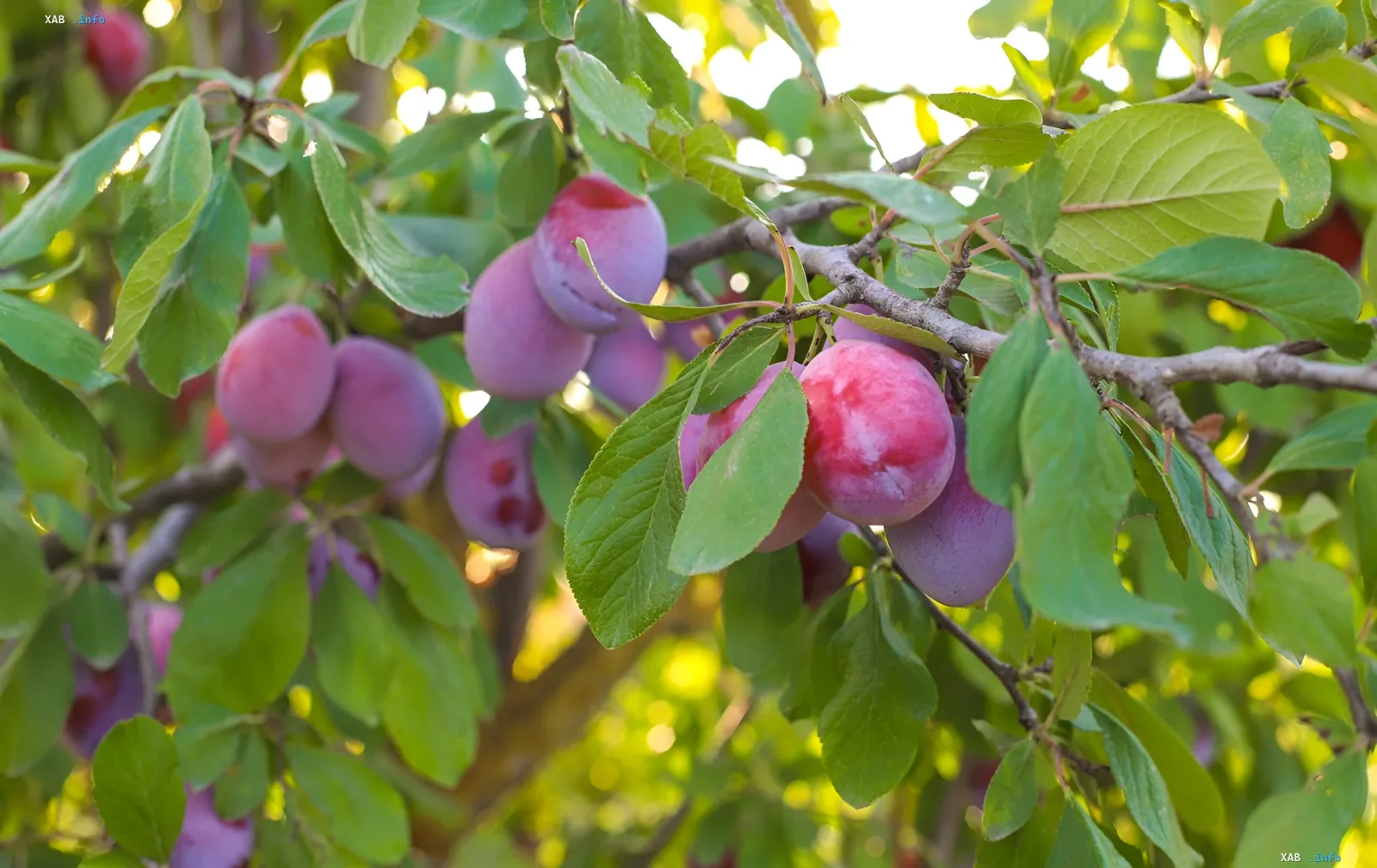
An entire group of stone fruit crops requires full light to bloom abundantly and develop juicy flesh. Cherry, in particular, is recommended to be placed on the south or west side of the plot to ensure it gets the maximum number of sunny hours. In the summer heat, such trees in full sun require regular watering, and it is useful to mulch the trunk circles with shredded bark: this retains moisture in the soil and protects the roots from overheating.
Soil, drainage, and pruning as the foundation of a sweet harvest
Planting most sun-loving fruit trees requires loose soil with good drainage and a high organic content, with a slightly acidic reaction — a pH level of 6.0 to 7.0. Regular crown pruning is equally important: it brings light to the inner branches and acts as a natural method of controlling pests and diseases, improving air circulation and reducing the need for chemical treatments.
Pear and apple: classics that do not forgive shade
Pear is a classic example of a tree that cannot tolerate shade: in the sun, its fruits grow oily and sweet, and the branches become strong enough to bear the weight of the harvest. The expert advises planting pear in early spring so that the root system has time to strengthen before the summer heat, choosing a well-lit area with good air circulation and fertile loamy soil. For stable fruiting, at least two different apple varieties are planted nearby — this ensures cross-pollination.
Fig and the long-lived record-holding tree
Fig needs a maximum of warmth, so in cooler climatic zones — such as Kyiv and the region — saplings are recommended to be planted 5–10 cm lower than the level at which they grew in the pot: this creates additional thermal insulation for the roots during winter frosts. Separately on the list is an adaptive long-lived tree that is able to survive even in partial shade, but truly abundant harvests — up to several hundred kilograms of berries — it gives only in full sun and can bear fruit for up to 100 years.
Practical summary for the gardener
The summary of recommendations boils down to a few rules: ensure southern or western placement, loose drained soil with a pH of 6.0–7.0, mulching of the trunk circle, regular watering in the heat, and formative pruning. Observing these conditions turns the sun from a simple environmental factor into the main tool for obtaining a sweet, juicy, and abundant harvest.